


Wayne Siegel
Released Album
Chamber
-
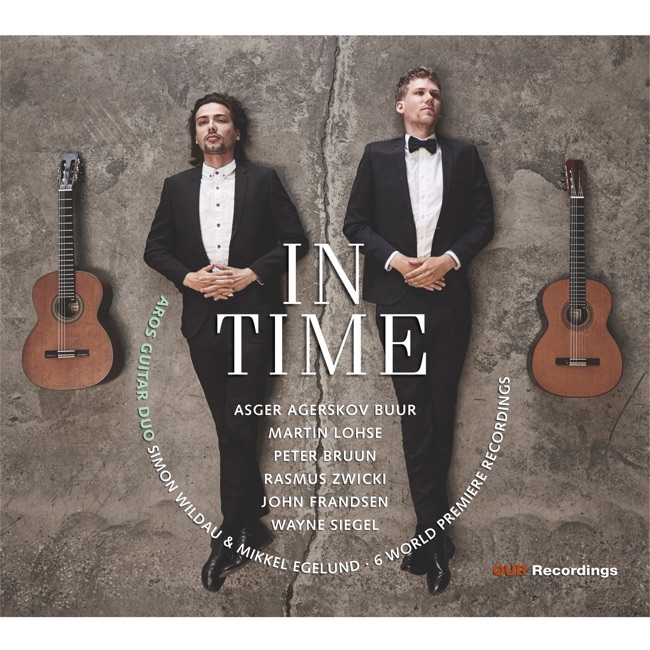 April 5, 2024
 -
 July 20, 2018
 -
 August 11, 2015
 -
-
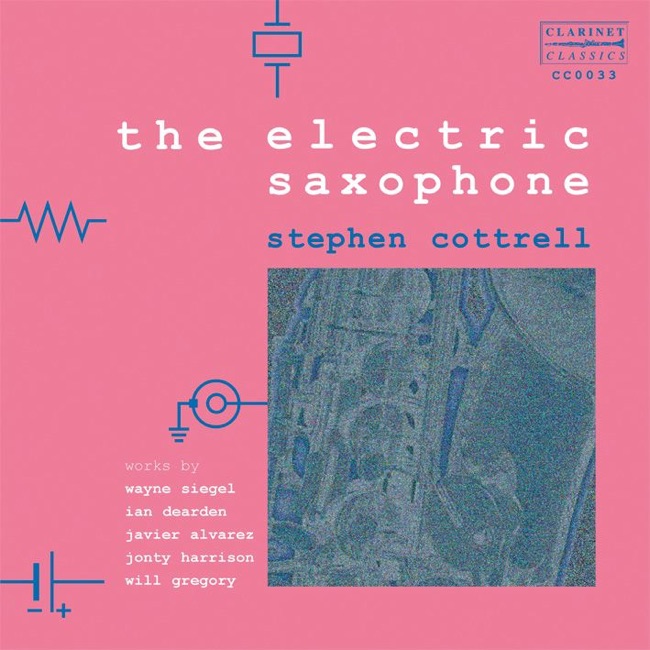 February 1, 2001
Electronic/Computer
-
 July 30, 2012
 -
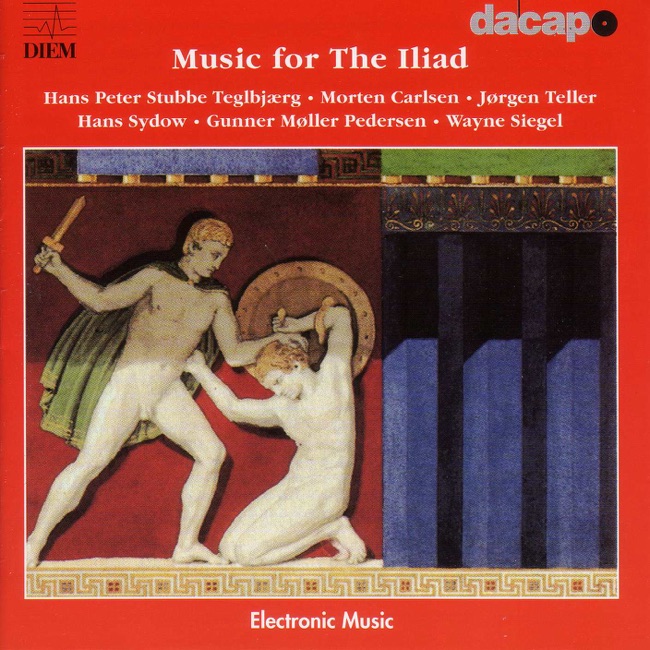 September 18, 2001
 -
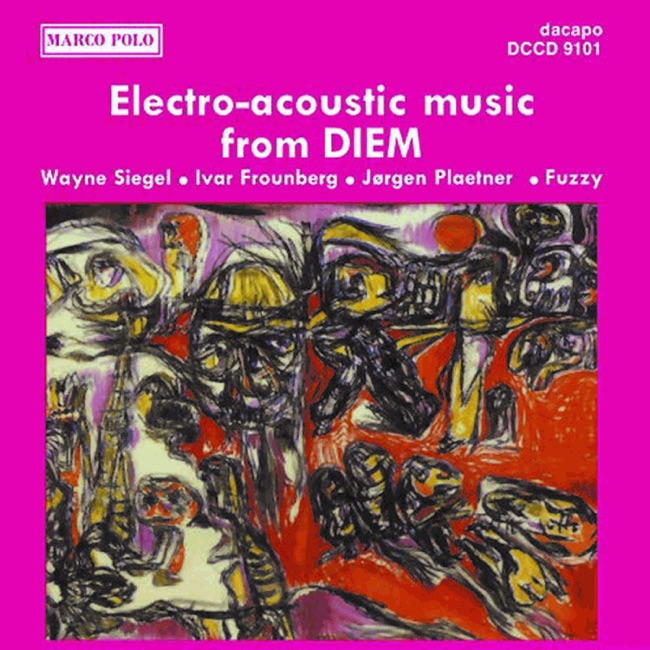 February 12, 1992
Keyboard
-
 August 18, 2017
Artist Info
Role:Composer PerformerBirth:1953Period:RomanticContemporaryModernGenre:Avant-GardeChamberWayne Siegel is a renowned American composer of contemporary classical music. He was born on March 23, 1953, in Washington D.C. and grew up in a family of musicians. His father was a jazz pianist, and his mother was a classical pianist. Siegel started playing the piano at a young age and showed a keen interest in music composition. Siegel received his Bachelor of Music degree from the University of Maryland in 1975. He then went on to study composition with Karlheinz Stockhausen at the State University of New York at Buffalo, where he received his Master of Fine Arts degree in 1977. Siegel also studied with Morton Feldman and Earle Brown. Siegel's early works were influenced by the experimental music of the 1960s and 1970s. He was particularly interested in the use of electronics in music composition. His early works include "Electricity" (1976), "Computer Study" (1977), and "Computer Music" (1978). In the 1980s, Siegel's music became more focused on the use of acoustic instruments. He began to incorporate elements of minimalism and post-minimalism into his compositions. His works from this period include "String Quartet No. 1" (1981), "Piano Trio" (1982), and "Symphony No. 1" (1984). Siegel's music is characterized by its use of repetitive patterns and rhythms. He often uses complex polyrhythms and polymeters in his compositions. His music is also known for its use of microtonality, which is the use of intervals smaller than the traditional half-step. One of Siegel's most famous works is "Klangfarbenmelodie" (1982), which is a piece for orchestra that uses the technique of tone color melody. This technique involves dividing a melody into small fragments and assigning each fragment to a different instrument or group of instruments. The result is a kaleidoscope of sound that constantly shifts and changes. Another notable work by Siegel is "Electric Counterpoint" (1987), which is a piece for electric guitar and tape. The piece is divided into three movements and features a solo guitar part that is played live along with pre-recorded guitar parts. The result is a complex and layered sound that is both hypnotic and mesmerizing. Siegel has also composed several works for dance and theater. He has collaborated with choreographers such as Merce Cunningham and Karole Armitage. His works for dance include "Dance Music" (1983) and "Music for Merce" (1991). In addition to his work as a composer, Siegel is also a respected music educator. He has taught at several universities, including the Royal Danish Academy of Music in Copenhagen and the University of Aarhus in Denmark. He has also been a guest lecturer at numerous institutions around the world. Siegel's music has been performed by some of the world's leading orchestras and ensembles, including the New York Philharmonic, the London Symphony Orchestra, and the Kronos Quartet. He has received numerous awards and honors for his work, including a Guggenheim Fellowship and a grant from the National Endowment for the Arts. In conclusion, Wayne Siegel is a highly respected composer of contemporary classical music. His music is characterized by its use of repetitive patterns and rhythms, as well as its incorporation of elements of minimalism and post-minimalism. His works for orchestra, electric guitar, and dance have earned him a reputation as one of the most innovative and influential composers of his generation.More....
Recent Artist Music
Copyright Ⓒ 2013 Davinci Finger. All rights reseved
Service Terms & Policy