


Marinus de Jong
Released Album
Keyboard
-
 July 1, 2016
 -
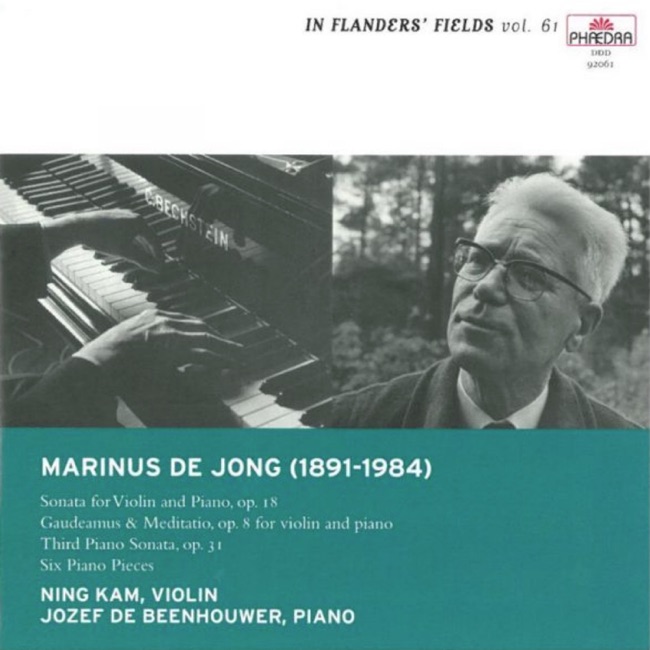
-
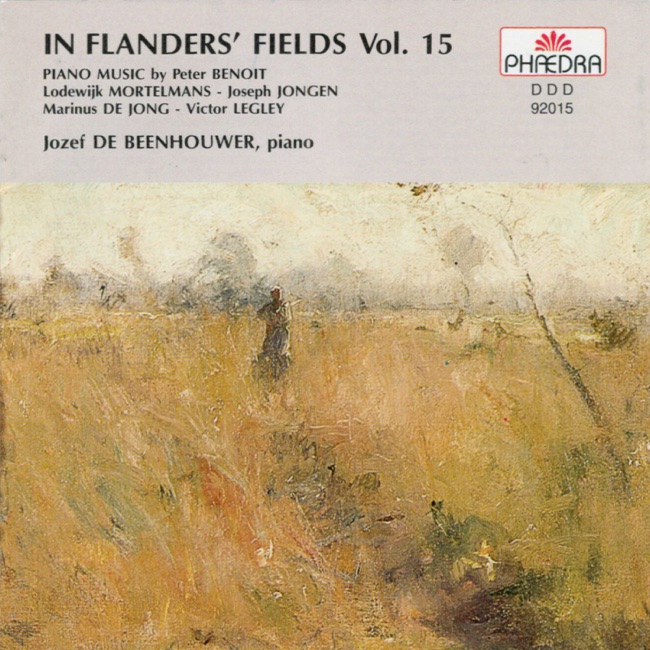 September 1, 2009
Artist Info
Role:ComposerBirth:1891Death:1984Genre:ChamberConcertoMarinus de Jong was a Dutch composer born on January 22, 1891, in Rotterdam, Netherlands. He was the son of a music teacher and grew up in a musical family. His father, Johannes de Jong, was a conductor and composer, and his mother, Maria de Jong, was a pianist. Marinus showed an early interest in music and began studying piano and composition at a young age. In 1910, Marinus enrolled at the Rotterdam Conservatory, where he studied composition with Johan Wagenaar and piano with Willem Andriessen. He graduated in 1914 with a diploma in composition and piano. After graduation, he worked as a music teacher and conductor in various Dutch cities. In 1920, Marinus moved to Paris to study with the renowned composer and teacher Nadia Boulanger. Boulanger was known for her rigorous teaching methods and had a significant influence on Marinus's compositional style. While in Paris, Marinus also studied with the composer and conductor Pierre Monteux. Marinus returned to the Netherlands in 1922 and began working as a freelance composer and conductor. He composed music for various ensembles, including orchestras, chamber groups, and choirs. His works were performed throughout the Netherlands and received critical acclaim. One of Marinus's most significant works is his Symphony No. 1, which he composed in 1925. The symphony is in four movements and showcases Marinus's mastery of orchestration and form. The work was premiered by the Rotterdam Philharmonic Orchestra and was well-received by audiences and critics alike. In 1928, Marinus was appointed the conductor of the Hague Philharmonic Orchestra. He held this position until 1942 and conducted numerous concerts and premieres of new works. During this time, he also continued to compose and premiered several new works, including his Symphony No. 2 in 1932. Marinus's music is characterized by its neoclassical style, which was popular in the early 20th century. His works often feature clear melodies, balanced harmonies, and a sense of formality. He was also influenced by the music of his contemporaries, including Stravinsky and Ravel. In addition to his orchestral works, Marinus also composed chamber music, choral music, and music for solo instruments. One of his most famous chamber works is his String Quartet No. 1, which he composed in 1927. The work is in three movements and showcases Marinus's skill at writing for string instruments. Marinus continued to compose and conduct throughout his life, even during the difficult years of World War II. He remained in the Netherlands during the war and continued to work as a composer and conductor. After the war, he was appointed the conductor of the Utrecht Symphony Orchestra, a position he held until his retirement in 1956. Marinus died on December 9, 1984, at the age of 93. He left behind a legacy of music that continues to be performed and admired today. His works are known for their clarity, elegance, and formal structure, and he is considered one of the most important Dutch composers of the 20th century.More....
Recent Artist Music
2
Gaudeamus & Meditation, Op. 8th
Gaudeamus. Gregoriaanse Melodie 'Introitus de Festo Omnium Sanctorum'. Allegretto moderato)
3:7

Copyright Ⓒ 2013 Davinci Finger. All rights reseved
Service Terms & Policy