


Christian Erbach
Released Album
Keyboard
-
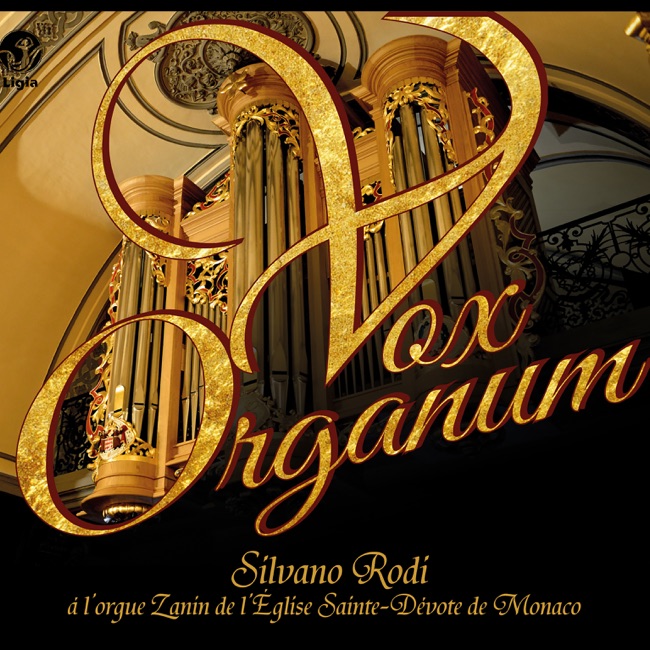 April 21, 2015
 -
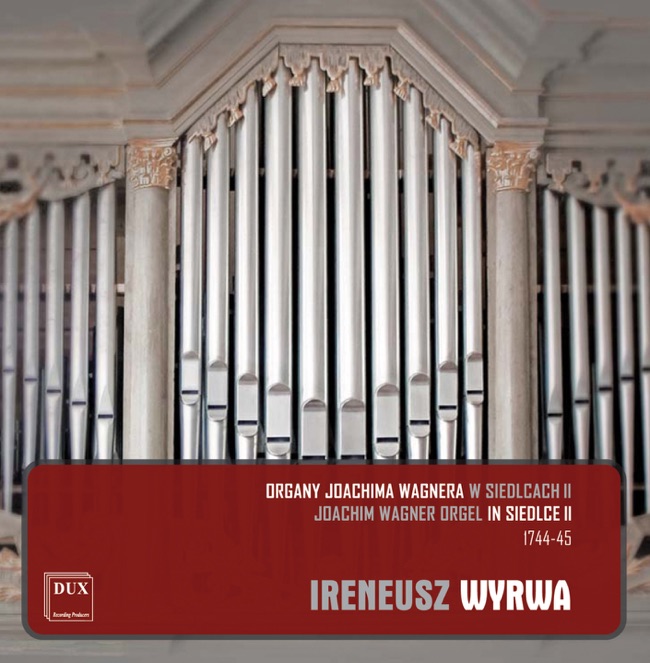 July 7, 2014
 -
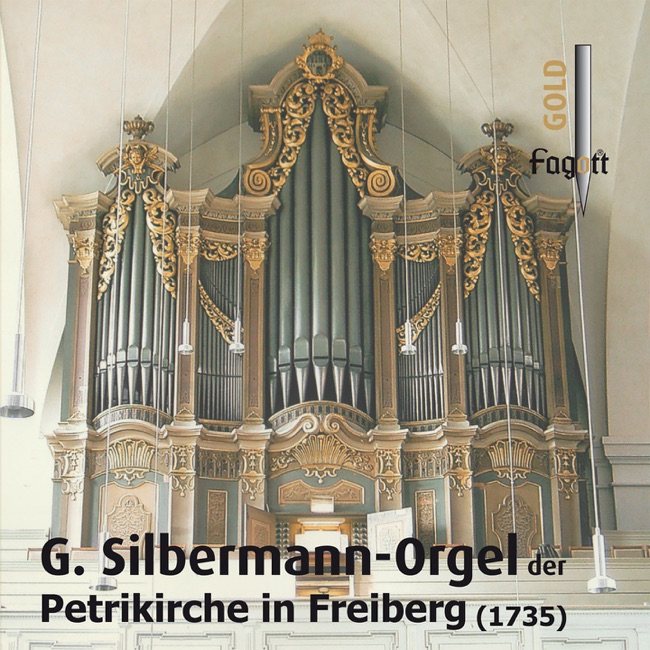 October 23, 2007
 -
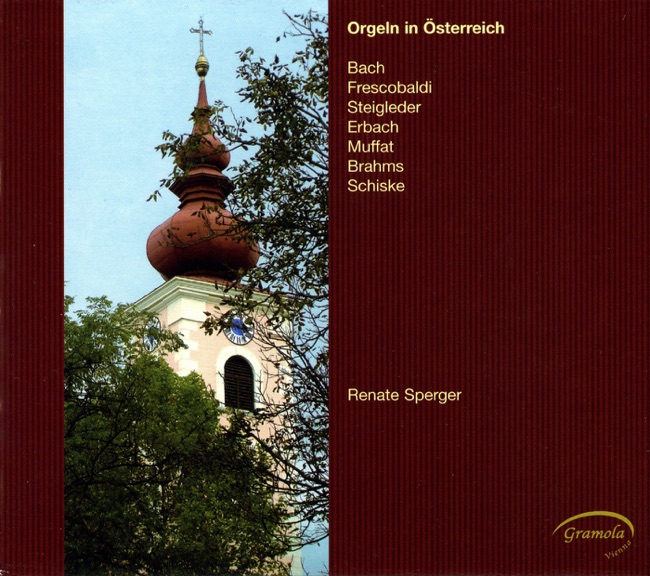 July, 2006
 -
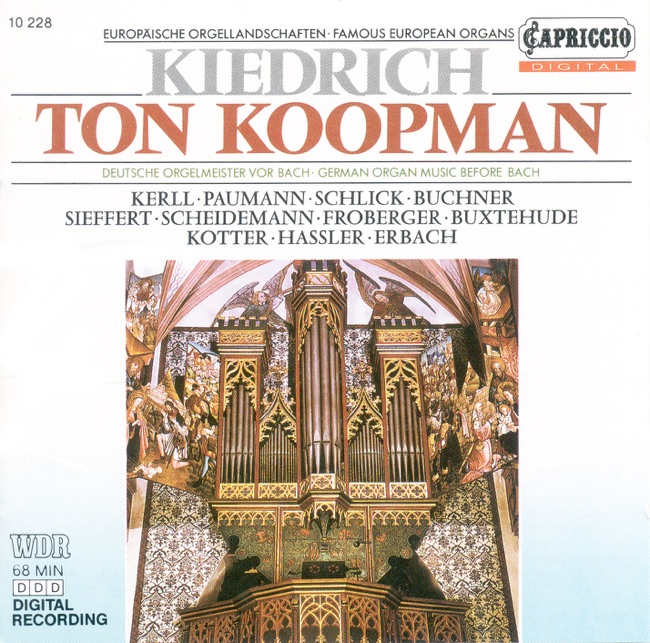 December 8, 1992
Artist Info
Role:ComposerCountry: GermanyBirth:1568Death:June 7, 1635Period:BaroqueGenre:ChoralKeyboardOrchestralChristian Erbach was a German composer and organist who lived during the late Renaissance and early Baroque periods. He was born in 1570 in Lauingen, a small town in Bavaria, Germany. Erbach was born into a family of musicians, and his father, Leonhard Erbach, was a well-known organist and composer in the region. Christian Erbach began his musical education under his father's tutelage, and he quickly showed a talent for music. Erbach's early years were spent in Lauingen, where he received a solid education in music theory and composition. He also learned to play several instruments, including the organ, harpsichord, and lute. In 1590, Erbach moved to Munich, where he became a court musician for Duke Wilhelm V of Bavaria. He remained in Munich for several years, during which time he composed a number of works for the court. In 1595, Erbach moved to Augsburg, where he became the organist at the Church of St. Moritz. He remained in this position for the rest of his life, and he became one of the most respected musicians in the city. During his time in Augsburg, Erbach composed a number of works for the church, including masses, motets, and hymns. Erbach's music was heavily influenced by the music of his time, which was characterized by a move away from the complex polyphony of the Renaissance and towards a more homophonic style. Erbach's music was also influenced by the music of the Protestant Reformation, which had a significant impact on the music of Germany during the 16th and 17th centuries. One of Erbach's most famous works is his "Magnificat," which is a setting of the biblical text known as the "Song of Mary." The "Magnificat" is a hymn of praise that is traditionally sung during the evening prayer service in the Catholic Church. Erbach's setting of the "Magnificat" is a beautiful example of his skill as a composer, and it is still performed today by choirs around the world. Another notable work by Erbach is his "Missa in Festo Corporis Christi," which is a setting of the Catholic Mass for the Feast of Corpus Christi. This work is notable for its use of polyphonic textures, which were becoming less common in the music of Erbach's time. The "Missa in Festo Corporis Christi" is a beautiful example of Erbach's ability to blend traditional polyphony with the more homophonic style that was becoming popular in the Baroque period. Erbach's music was also influenced by the music of Italy, which was becoming increasingly popular in Germany during the 16th and 17th centuries. Erbach's use of Italianate melodies and harmonies can be heard in many of his works, including his "Canzonas" for organ and his "Sonatas" for various instruments. Despite his success as a composer and organist, Erbach remained relatively unknown outside of Germany during his lifetime. However, his music has since been rediscovered and is now recognized as an important contribution to the music of the late Renaissance and early Baroque periods. In conclusion, Christian Erbach was a talented composer and organist who lived during a time of great change in the world of music. His music was heavily influenced by the music of his time, as well as by the Protestant Reformation and the music of Italy. Erbach's works, including his "Magnificat" and "Missa in Festo Corporis Christi," are still performed today and are a testament to his skill as a composer.More....
Recent Artist Music
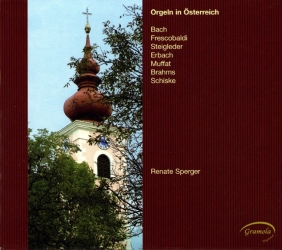
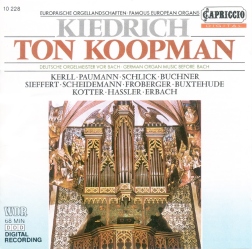
6
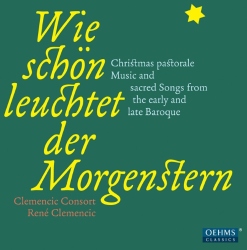
2:48
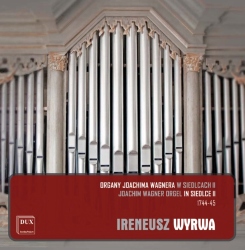
Copyright Ⓒ 2013 Davinci Finger. All rights reseved
Service Terms & Policy