


Gustav Hoyer
Released Album
Orchestral
-
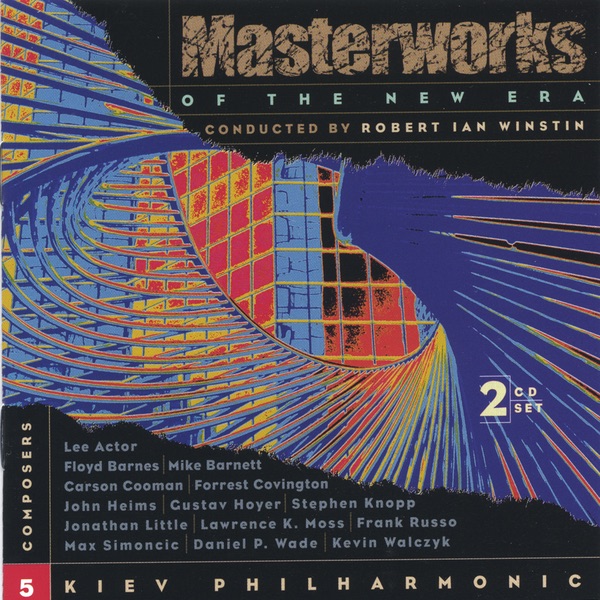 July 26, 2005
Chamber
-
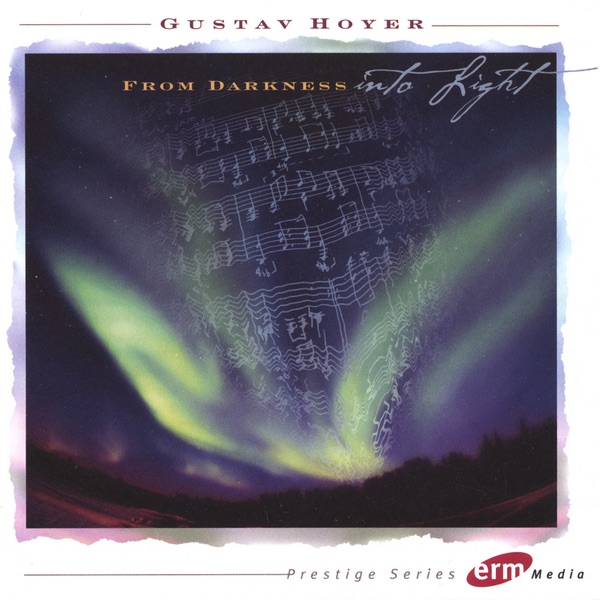 September 18, 2007
Artist Info
Role:ComposerBirth:1972 in Denver, COGustav Hoyer was a German composer who lived from 1878 to 1943. He was born in the city of Berlin, where he spent most of his life. Hoyer was the son of a music teacher, and he began his own musical education at a young age. He studied piano, violin, and composition, and he showed great talent in all three areas. Hoyer's early compositions were influenced by the Romantic style of music that was popular in Germany at the time. He wrote several works for piano and violin, as well as a number of songs and choral pieces. In 1902, Hoyer's String Quartet No. 1 was premiered in Berlin, and it received favorable reviews. This success encouraged Hoyer to continue composing, and he soon became known as one of the most promising young composers in Germany. In 1905, Hoyer was appointed as a professor of composition at the Berlin Conservatory. This was a prestigious position, and it gave Hoyer the opportunity to work with some of the most talented young musicians in Germany. Hoyer's teaching style was rigorous, and he demanded a high level of discipline and dedication from his students. However, he was also known for his kindness and generosity, and many of his students remained loyal to him throughout their lives. Hoyer's compositions during this period were marked by a growing interest in modernism. He began experimenting with new forms and techniques, and he incorporated elements of atonality and dissonance into his music. This was a controversial move, as many critics and audiences were still attached to the traditional tonal system. However, Hoyer believed that it was important for composers to push the boundaries of their art, and he continued to explore new ideas and sounds. One of Hoyer's most famous works from this period is his Symphony No. 1, which was premiered in 1910. The symphony is a complex and challenging work, with intricate rhythms and harmonies that reflect Hoyer's interest in modernism. However, it also contains moments of great beauty and lyricism, particularly in the slow movement. The symphony was well-received by critics, and it established Hoyer as a major figure in German music. During World War I, Hoyer served as a medic in the German army. This was a difficult and traumatic experience for him, and it had a profound impact on his music. Hoyer's compositions from this period are marked by a sense of darkness and despair, as well as a growing interest in the music of other cultures. He began incorporating elements of folk music and jazz into his works, and he also experimented with new forms such as the suite and the ballet. One of Hoyer's most famous works from this period is his ballet The Miraculous Mandarin, which was premiered in 1926. The ballet tells the story of a young woman who is forced into prostitution by a group of thugs, and it contains some of Hoyer's most daring and innovative music. The score is full of dissonant harmonies and complex rhythms, and it was considered scandalous by many audiences at the time. However, it has since become recognized as a masterpiece of 20th-century music. In the 1930s, Hoyer's career was threatened by the rise of the Nazi party in Germany. Hoyer was a Jew, and his music was considered degenerate by the Nazi regime. He was forced to resign from his position at the Berlin Conservatory, and he was banned from performing or publishing his music. Hoyer's health began to decline, and he died in 1943 at the age of 65.More....
Recent Artist Music
Copyright Ⓒ 2013 Davinci Finger. All rights reseved
Service Terms & Policy