


Andreas Werckmeister
Released Album
Keyboard
-
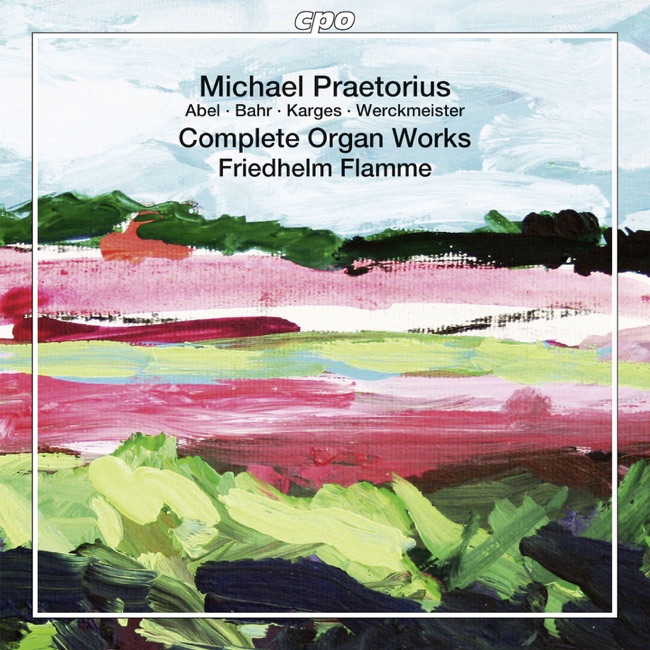 January 13, 2015
 -
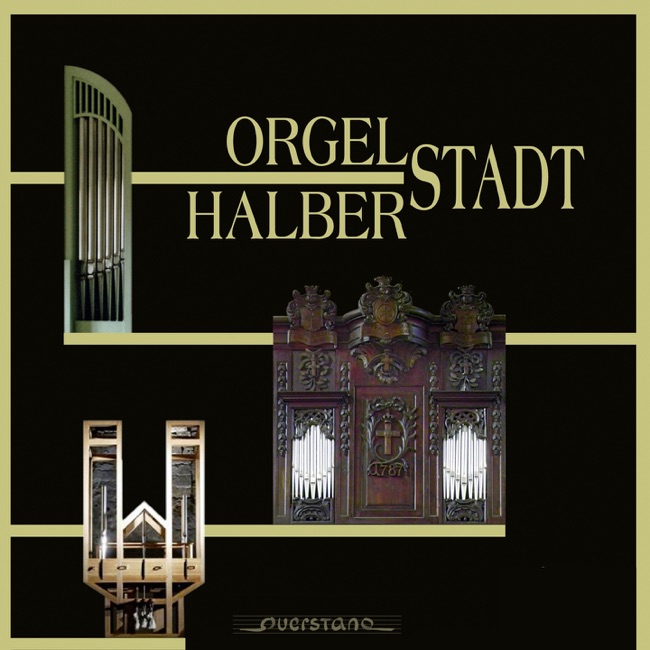 June 11, 2013
Artist Info
Role:ComposerBirth:1645Death:1706Genre:KeyboardAndreas Werckmeister was a German composer, organist, and music theorist who lived from 1645 to 1706. He was born in Benneckenstein, a small town in the Harz Mountains of central Germany. His father was a schoolteacher and musician, and it was under his guidance that Werckmeister first began to study music. Werckmeister's early musical education was focused on the organ, which he began playing at a young age. He quickly showed a talent for the instrument, and by the time he was a teenager, he was already serving as an organist in the local church. In addition to his organ playing, Werckmeister also studied composition and music theory, and he soon began to develop a reputation as a skilled and innovative musician. In 1664, Werckmeister moved to Quedlinburg, a larger town in the Harz Mountains, where he took a position as the organist at the Church of St. Benedict. It was here that he began to compose some of his most important works, including a collection of chorale preludes for organ that would later become known as the "Orgelprobe." The "Orgelprobe" was a groundbreaking work that helped to establish Werckmeister's reputation as a composer and music theorist. The collection consisted of 46 chorale preludes, each of which was based on a different hymn tune. What made the "Orgelprobe" so innovative was the way in which Werckmeister used the preludes to explore different tuning systems and temperaments. At the time, there was a great deal of debate among musicians and music theorists about the best way to tune musical instruments. The traditional system, known as "just intonation," was based on the natural harmonics of the notes, but it had certain limitations that made it difficult to use in practice. Werckmeister was one of the first composers to experiment with alternative tuning systems, and the "Orgelprobe" was his attempt to demonstrate the advantages of a new system he had developed, which he called the "well-tempered tuning." The "well-tempered tuning" was a compromise between the strict harmonics of just intonation and the more flexible but less pure tuning systems that were in use at the time. It allowed for greater flexibility in key changes and modulation, while still maintaining a high degree of consonance and purity of tone. Werckmeister's use of this tuning system in the "Orgelprobe" was a major breakthrough in the history of music theory, and it would go on to influence many other composers in the years to come. In addition to his work on the "Orgelprobe," Werckmeister also composed a number of other important works during his lifetime. These included several collections of keyboard music, as well as a number of vocal works, including cantatas and motets. Many of these works were written for use in the church, and they reflect Werckmeister's deep religious faith and his commitment to the Lutheran tradition. Werckmeister's music is characterized by its clarity, simplicity, and elegance. He was a master of counterpoint, and his works are notable for their intricate and carefully crafted harmonies. His use of the "well-tempered tuning" gave his music a distinctive sound that set it apart from the works of his contemporaries, and it helped to establish him as one of the most important composers of his time. Despite his many accomplishments, Werckmeister's life was not without its challenges.More....
Recent Artist Music
Copyright Ⓒ 2013 Davinci Finger. All rights reseved
Service Terms & Policy