


Akemi Naito
Released Album
Chamber
-
 November 19, 2013
 -
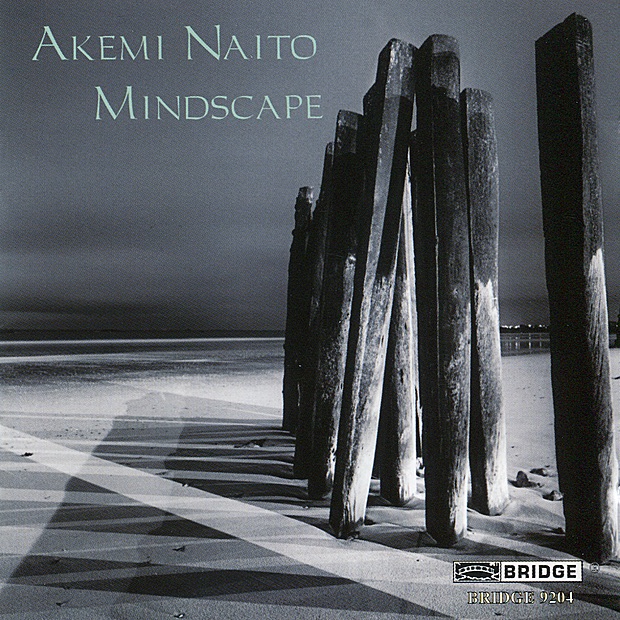 September 5, 2006
 -
 June 6, 2006
 -
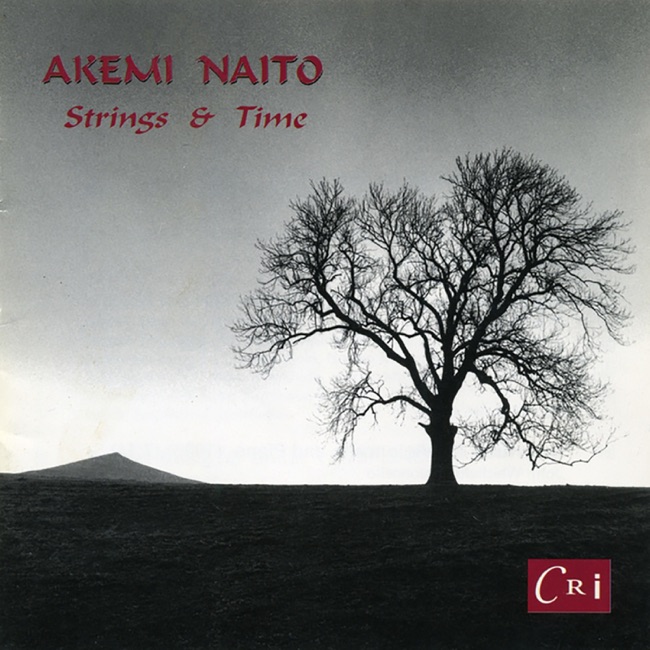 November 18, 1997
Vocal
-
 December 13, 2011
Artist Info
Role:ComposerBirth:1956Period:ContemporaryGenre:Avant-GardeChamberKeyboardAkemi Naito is a Japanese composer who has made a significant contribution to the world of classical music. Born in Tokyo in 1961, Naito began her musical journey at a young age. She started playing the piano when she was just four years old and showed a natural talent for music. Her parents recognized her potential and encouraged her to pursue music as a career. Naito's early years were spent studying music at the Toho Gakuen School of Music in Tokyo. She received a solid foundation in music theory and composition, which laid the groundwork for her future success as a composer. After completing her studies at Toho Gakuen, Naito went on to study at the Hochschule für Musik und Theater in Hamburg, Germany. There, she studied under the tutelage of renowned composers such as György Ligeti and Hans Werner Henze. Naito's time in Germany was a formative period in her life. She was exposed to new musical styles and techniques, which broadened her horizons as a composer. She also had the opportunity to collaborate with other musicians and artists, which helped her to develop her own unique voice as a composer. Naito's early works were heavily influenced by the avant-garde music of the 20th century. She experimented with unconventional sounds and techniques, such as using extended techniques on traditional instruments and incorporating electronic music into her compositions. Her early works were well-received by critics and audiences alike, and she quickly gained a reputation as a rising star in the world of contemporary classical music. One of Naito's most notable works from this period is her composition "Ku-ru-Ku," which was written in 1990. The piece is a concerto for shakuhachi, a traditional Japanese bamboo flute, and orchestra. The piece is notable for its use of extended techniques on the shakuhachi, such as multiphonics and glissandi, which create a haunting and otherworldly sound. The piece has been performed by numerous orchestras around the world and has become a staple of the contemporary classical repertoire. In the late 1990s, Naito's style began to shift towards a more minimalist approach. She began to focus on creating simple, repetitive patterns that gradually evolve over time. Her compositions during this period are characterized by their use of silence and space, which create a sense of tension and anticipation. One of Naito's most famous works from this period is her composition "A String Around Autumn," which was written in 1998. The piece is a string quartet that features a simple, repeating pattern that gradually evolves over the course of the piece. The piece is notable for its use of silence and space, which create a sense of tension and anticipation. The piece has been performed by numerous string quartets around the world and has become a classic of the minimalist repertoire. In recent years, Naito's style has continued to evolve. She has begun to incorporate more traditional Japanese elements into her compositions, such as using traditional Japanese instruments and incorporating Japanese folk melodies into her works. Her compositions have become more melodic and accessible, while still retaining the experimental spirit that has defined her work throughout her career. One of Naito's most recent works is her composition "Koto Concerto," which was written in 2016. The piece is a concerto for koto, a traditional Japanese stringed instrument, and orchestra.More....
Recent Artist Music



Copyright Ⓒ 2013 Davinci Finger. All rights reseved
Service Terms & Policy