


Joschi Schumann
Released Album
Chamber
-
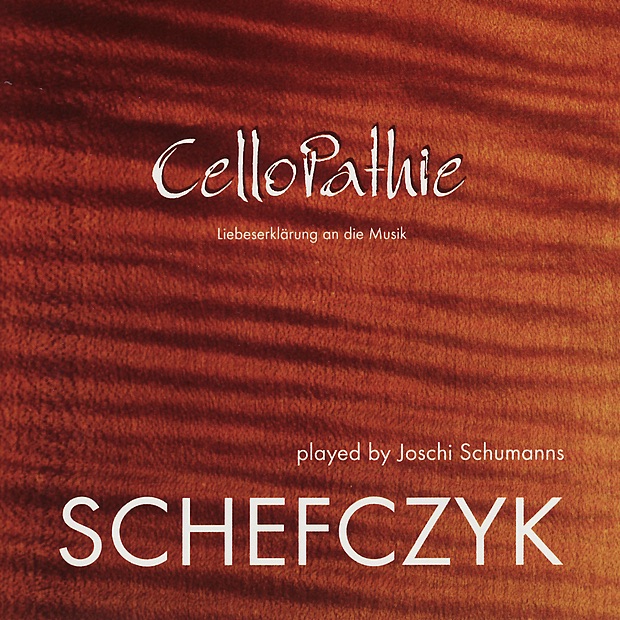 January 1, 2003
 -
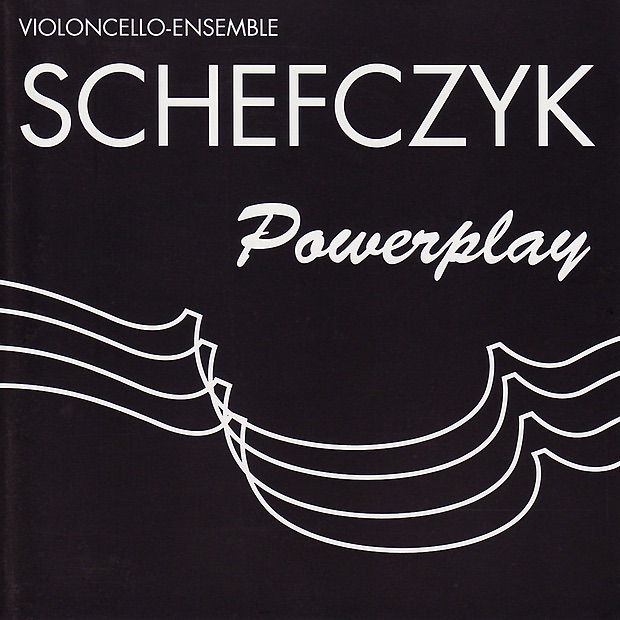 October 1, 1995
Vocal
-
 January 1, 2001
 -
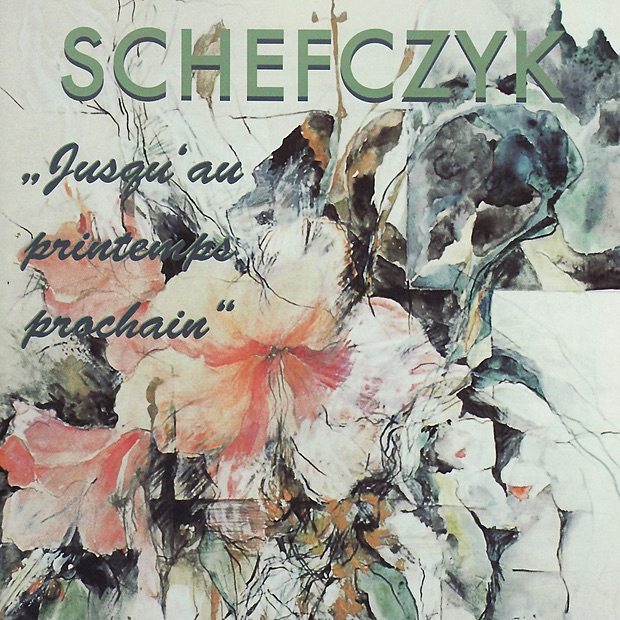 January 1, 1996
Film
-
 January 1, 1998
Choral
-
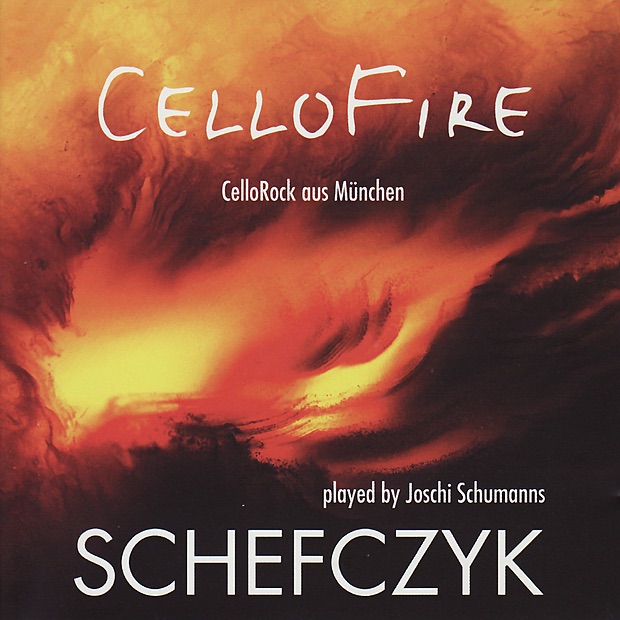 January 1, 2001
Artist Info
Role:ComposerJoschi Schumann was a German composer born on May 12, 1965, in Berlin. He grew up in a family of musicians, with his father being a renowned pianist and his mother a violinist. From a young age, Schumann showed a keen interest in music and began playing the piano at the age of four. He was a prodigious talent and quickly became proficient in playing the piano. Schumann's parents recognized his talent and encouraged him to pursue a career in music. He began taking formal piano lessons at the age of six and later studied composition at the Berlin University of the Arts. During his time at the university, Schumann was exposed to a wide range of musical styles, including classical, jazz, and contemporary music. Schumann's early compositions were heavily influenced by the classical music of the 18th and 19th centuries. He was particularly drawn to the works of Mozart, Beethoven, and Schubert, and his early compositions reflected their style and structure. However, as he matured as a composer, Schumann began to incorporate more contemporary elements into his music, including jazz and rock influences. One of Schumann's early works, the Piano Sonata in C Minor, Op. 1, was composed when he was just 18 years old. The sonata is a three-movement work that showcases Schumann's technical prowess on the piano. The first movement is a dramatic and intense allegro, while the second movement is a lyrical and introspective adagio. The final movement is a lively and energetic allegro that showcases Schumann's virtuosity on the piano. Schumann's breakthrough work came in 1990 with the premiere of his Symphony No. 1 in D Major, Op. 10. The symphony is a four-movement work that showcases Schumann's mastery of orchestration and his ability to create memorable melodies. The first movement is a grand and majestic allegro, while the second movement is a lyrical and introspective adagio. The third movement is a lively scherzo, and the final movement is a triumphant allegro that brings the symphony to a rousing conclusion. Schumann's Symphony No. 1 was well-received by critics and established him as a major talent in the classical music world. He went on to compose several other symphonies, including Symphony No. 2 in E-flat Major, Op. 20, and Symphony No. 3 in C Minor, Op. 30. These works continued to showcase Schumann's ability to create memorable melodies and his mastery of orchestration. In addition to his symphonies, Schumann also composed several concertos for various instruments. One of his most famous works is the Piano Concerto in A Minor, Op. 40, which was composed in 1995. The concerto is a three-movement work that showcases Schumann's ability to create virtuosic piano passages and his skill at blending the piano with the orchestra. The first movement is a dramatic and intense allegro, while the second movement is a lyrical and introspective adagio. The final movement is a lively and energetic allegro that brings the concerto to a thrilling conclusion. Schumann's other notable works include his String Quartet No. 1 in D Major, Op. 50, and his opera, The Magic Flute, which premiered in 2001. The String Quartet is a four-movement work that showcases Schumann's ability to create intricate and complex textures with just four instruments. The opera, The Magic Flute, is a reimagining of Mozart's famous opera of the same name.More....
Recent Artist Music
2

1:33
4
2:35
Copyright Ⓒ 2013 Davinci Finger. All rights reseved
Service Terms & Policy