


Francisco Salinas
Released Album
Vocal
-
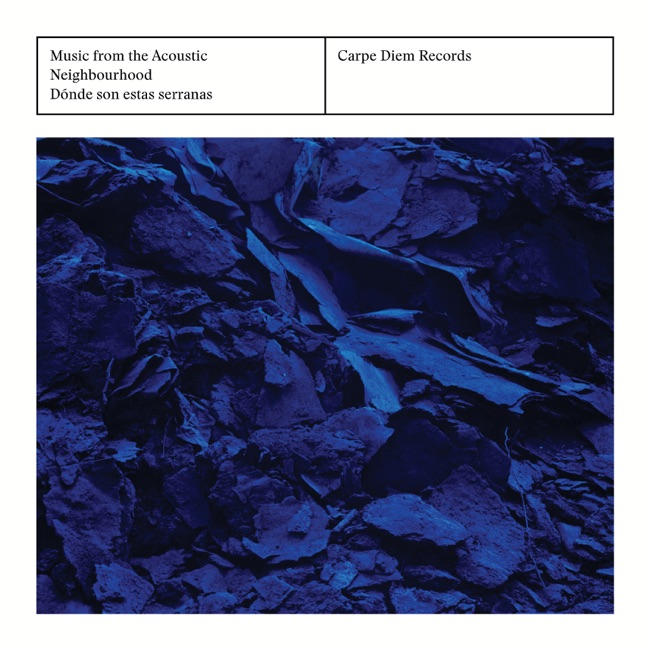 November 16, 2018
Chamber
-
 December 26, 2000
Artist Info
Role:ComposerBirth:March 1, 1513 in Burgos, SpainDeath:January 13, 1590 in Salamanca, SpainGenre:ChamberFrancisco Salinas was a Spanish composer and music theorist who lived during the Renaissance period. He was born in Burgos, Spain in 1513 and was the son of a wealthy family. Salinas showed an early interest in music and was sent to study at the Cathedral of Burgos, where he received a thorough education in music theory and composition. Salinas was a gifted musician and quickly rose through the ranks of the Cathedral, eventually becoming the maestro de capilla, or music director. During his time at the Cathedral, Salinas composed a number of works, including masses, motets, and hymns. His music was highly regarded and he was considered one of the leading composers of his time. In addition to his work as a composer, Salinas was also a respected music theorist. He wrote several treatises on music theory, including "De Musica Libri Septem" (Seven Books on Music), which was published in 1577. This treatise was highly influential and was used as a textbook in music schools throughout Europe for many years. Salinas was also known for his work as a musicologist. He was interested in the history of music and spent many years researching and collecting ancient manuscripts. He was particularly interested in the music of the ancient Greeks and Romans, and his research helped to shed light on the origins of Western music. Salinas' most famous work is his "Missa pro defunctis" (Mass for the Dead), which was composed in 1576. This work is a masterpiece of Renaissance polyphony and is considered one of the greatest works of its kind. The mass is written for six voices and is notable for its use of chromaticism and dissonance, which were unusual for the time. Another notable work by Salinas is his "Magnificat octavi toni" (Magnificat in the Eighth Tone), which was composed in 1579. This work is a setting of the Magnificat, a hymn of praise to the Virgin Mary, and is written for eight voices. The work is notable for its use of polychoral techniques, which were popular in Venice at the time. Salinas' music was highly regarded during his lifetime and he was considered one of the leading composers of his time. His works were performed throughout Europe and he was widely respected for his contributions to music theory and musicology. Despite his many accomplishments, Salinas remained humble and dedicated to his work throughout his life. Salinas died in 1590 at the age of 77. His legacy lives on through his music and his contributions to music theory and musicology. He is remembered as one of the greatest composers of the Renaissance period and his works continue to be performed and studied by musicians and scholars around the world.More....
Recent Artist Music

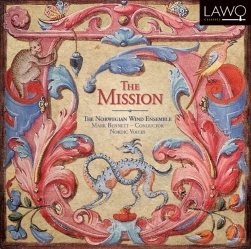
Copyright Ⓒ 2013 Davinci Finger. All rights reseved
Service Terms & Policy