


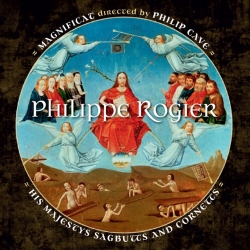
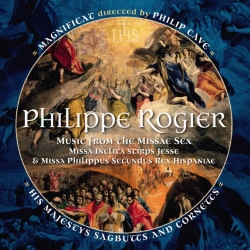
Philippe Rogier
Released Album
Choral
-
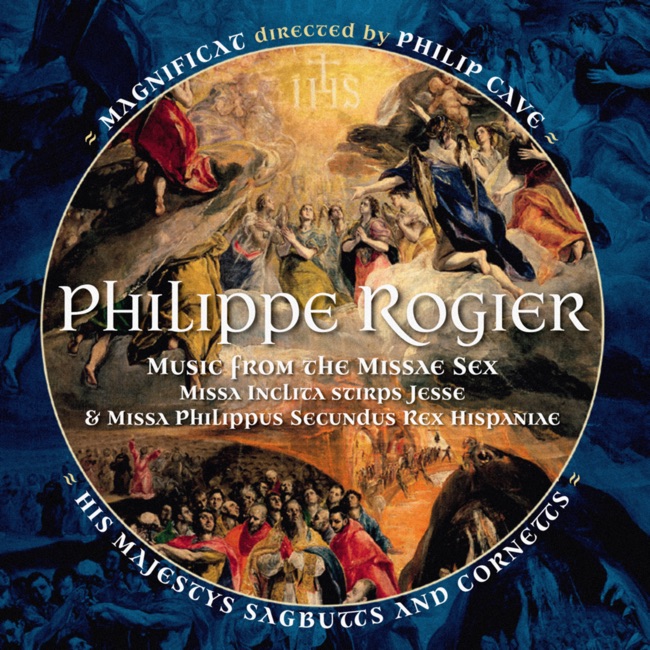 November 14, 2011
 -
 April 26, 2011
 -
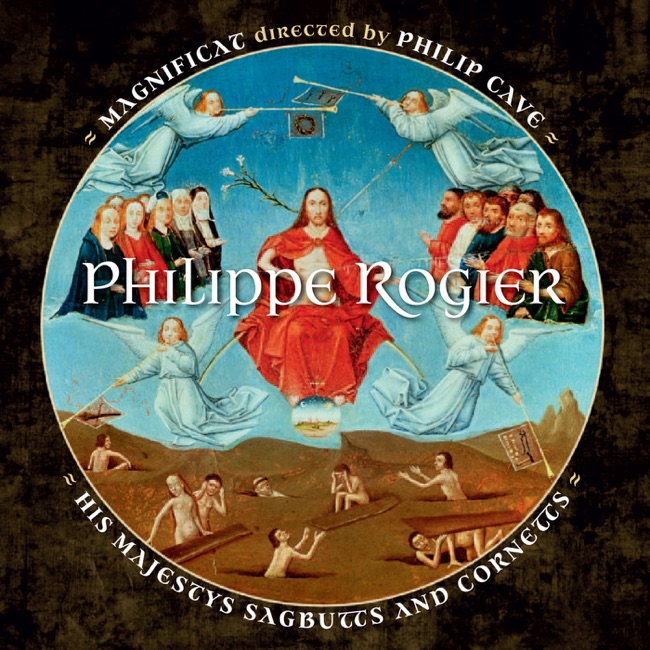 February 1, 2011
 -
 September 28, 2010
 -
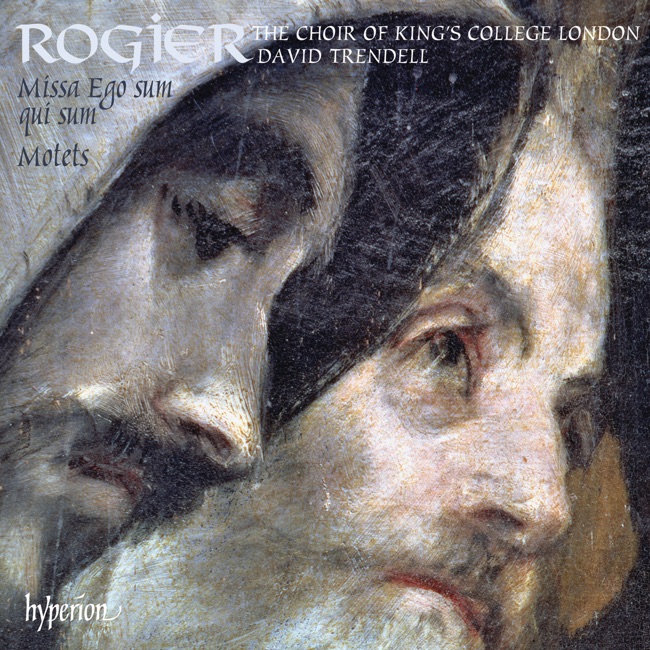 April 13, 2010
 -
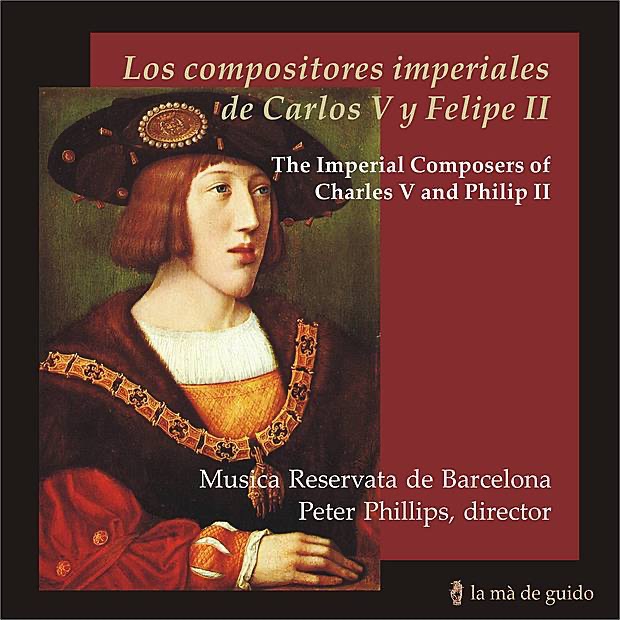 March 9, 2010
Artist Info
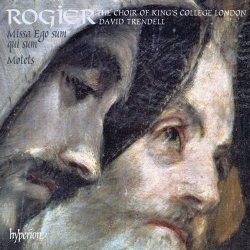
Role:ComposerBirth:ca. 1561 in Arras, FranceDeath:February 29, 1596 in Madrid, SpainGenre:ChoralPhilippe Rogier was a prominent composer of the Renaissance period, born in the year 1561 in the city of Arras, France. He was the son of a musician, and his father was a member of the choir at the local cathedral. Rogier's early exposure to music and his father's influence played a significant role in shaping his musical career. At the age of 16, Rogier moved to Madrid, Spain, where he became a choirboy at the Royal Chapel. He received his musical education under the tutelage of Francisco Guerrero, a renowned composer of the time. Rogier's talent and dedication to music were evident from an early age, and he quickly rose through the ranks to become a singer and composer at the Royal Chapel. Rogier's early compositions were heavily influenced by the Spanish style of music, which was characterized by its use of polyphony and intricate harmonies. His works were well-received by the Spanish court, and he soon gained a reputation as one of the most talented composers of his time. In 1584, Rogier was appointed as the maestro de capilla (music director) at the Cathedral of Toledo, a position he held for the next 20 years. During his tenure, he composed a significant number of works, including masses, motets, and hymns. His compositions were known for their complexity and beauty, and they were widely performed throughout Spain and other parts of Europe. One of Rogier's most famous works is his Missa Ego sum qui sum, which was composed in 1596. The mass is characterized by its use of intricate harmonies and polyphony, and it is considered one of the most significant works of the Renaissance period. The mass was performed at the Cathedral of Toledo and was well-received by the audience. Rogier's compositions were not limited to religious music. He also composed secular music, including villancicos and madrigals. His secular works were known for their lively rhythms and catchy melodies, and they were popular among the Spanish court and the general public. In 1603, Rogier was appointed as the maestro de capilla at the Royal Chapel in Madrid, a position he held until his death in 1596. During his time at the Royal Chapel, he composed a significant number of works, including masses, motets, and hymns. His compositions were known for their complexity and beauty, and they were widely performed throughout Spain and other parts of Europe. Rogier's legacy as a composer has endured to this day. His works have been performed and recorded by numerous ensembles and choirs, and they continue to be studied and admired by music scholars and enthusiasts. His contributions to the development of Renaissance music have been significant, and his influence can be seen in the works of many composers who came after him. In conclusion, Philippe Rogier was a talented and influential composer of the Renaissance period. His early exposure to music and his father's influence played a significant role in shaping his musical career. His compositions were known for their complexity and beauty, and they were widely performed throughout Spain and other parts of Europe. His legacy as a composer has endured to this day, and his contributions to the development of Renaissance music have been significant.More....
Recent Artist Music
1
6:35
3
4:8
5
2:10
15
3:8
Copyright Ⓒ 2013 Davinci Finger. All rights reseved
Service Terms & Policy