


Hugo Weisgall
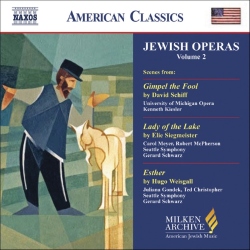
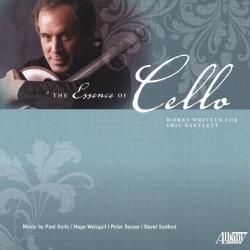
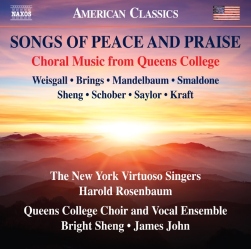
Released Album
Vocal
-
-
 October, 2007
 -
-
 July 25, 2000
 -
 August 1, 1993
Opera
-
 November 21, 2006
 -
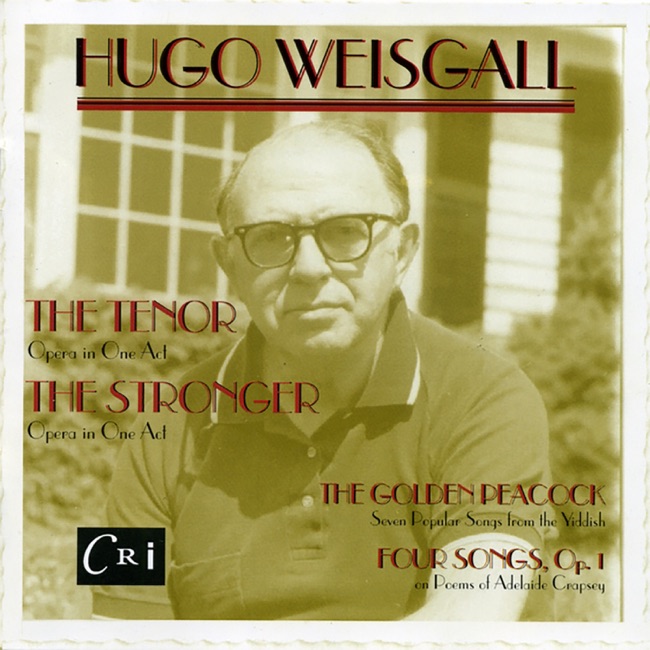 August 19, 1997
Miscellaneous
-
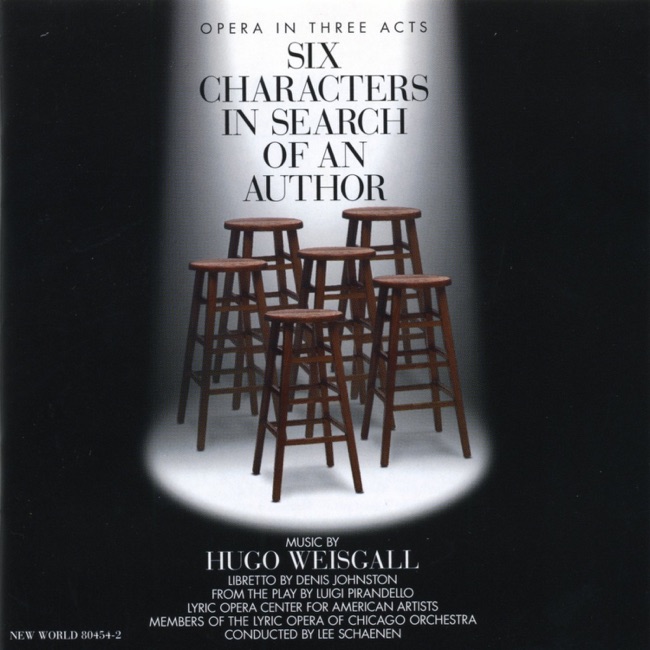 December 8, 1994
 -
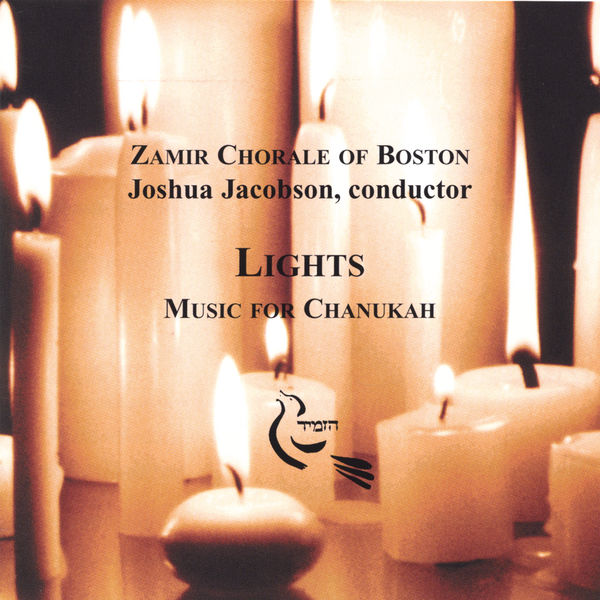
Artist Info
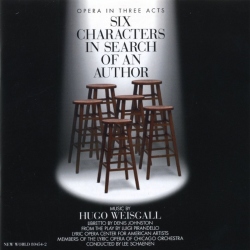
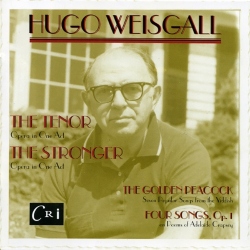
Role:Composer ConductorBirth:October 13, 1912 in Ivancice, CzechoslovakiaDeath:1997Period:ModernGenre:OperaVocalHugo Weisgall was a prominent American composer of classical music, known for his operas, chamber music, and orchestral works. Born on October 13, 1912, in Ivančice, Moravia, which is now part of the Czech Republic, Weisgall was the son of a cantor and grew up in a musical family. He began playing the piano at a young age and showed an early talent for music. In 1920, Weisgall's family immigrated to the United States and settled in Baltimore, Maryland. There, he continued his musical education, studying piano with Isidor Konti and composition with Lazare Saminsky. He also attended the Peabody Conservatory of Music, where he studied composition with Harold Randolph and piano with Arthur Friedheim. After completing his studies at Peabody, Weisgall moved to New York City, where he continued to study composition with Roger Sessions and Aaron Copland. He also worked as a pianist and conductor, performing with various orchestras and ensembles. Weisgall's early compositions were influenced by the neoclassical style of Stravinsky and the modernist style of Schoenberg. However, he soon developed his own unique style, which blended elements of Jewish music, American folk music, and modernist techniques. One of Weisgall's most significant early works was his opera "The Tenor," which premiered in 1950 at the New York City Opera. The opera, which tells the story of a struggling tenor who becomes involved in a murder plot, was praised for its innovative score and dramatic intensity. Weisgall went on to compose several more operas, including "Six Characters in Search of an Author" (1955), "Esther" (1993), and "The Gardens of Adonis" (1976). His operas were known for their complex vocal writing, intricate orchestration, and powerful emotional impact. In addition to his operas, Weisgall also composed a significant amount of chamber music, including string quartets, piano trios, and sonatas. His chamber music was characterized by its lyrical melodies, intricate counterpoint, and use of Jewish and American folk themes. Weisgall's orchestral works included several symphonies, as well as concertos for various instruments. His orchestral music was known for its bold, dramatic gestures, colorful orchestration, and use of unconventional forms and structures. Throughout his career, Weisgall received numerous awards and honors for his contributions to classical music. He was a member of the American Academy of Arts and Letters and the National Institute of Arts and Letters, and he received the National Medal of Arts in 1994. Weisgall continued to compose music until his death on March 11, 1997, in New York City. His legacy as a composer of innovative, emotionally powerful music continues to inspire and influence musicians and audiences today.More....
Recent Artist Music

3
48:38
5
1:36

Copyright Ⓒ 2013 Davinci Finger. All rights reseved
Service Terms & Policy