


Francis-Paul Demillac
Released Album
Chamber
-
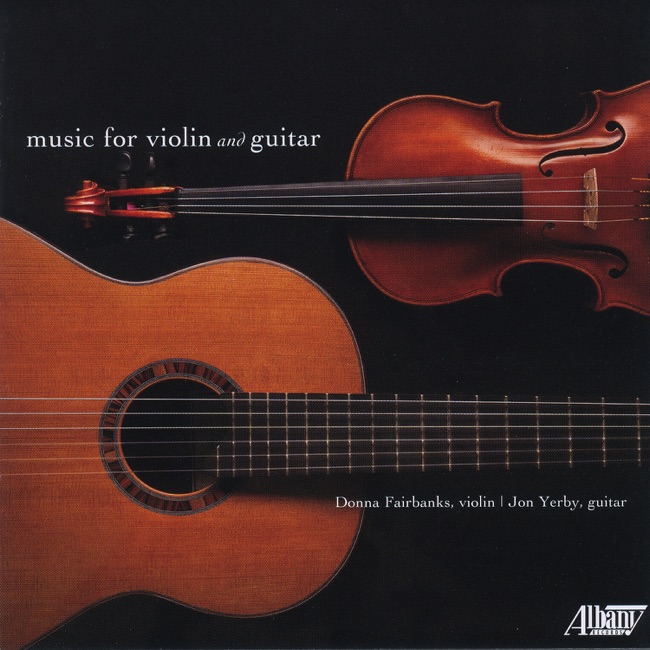 July 23, 2018
 -
-
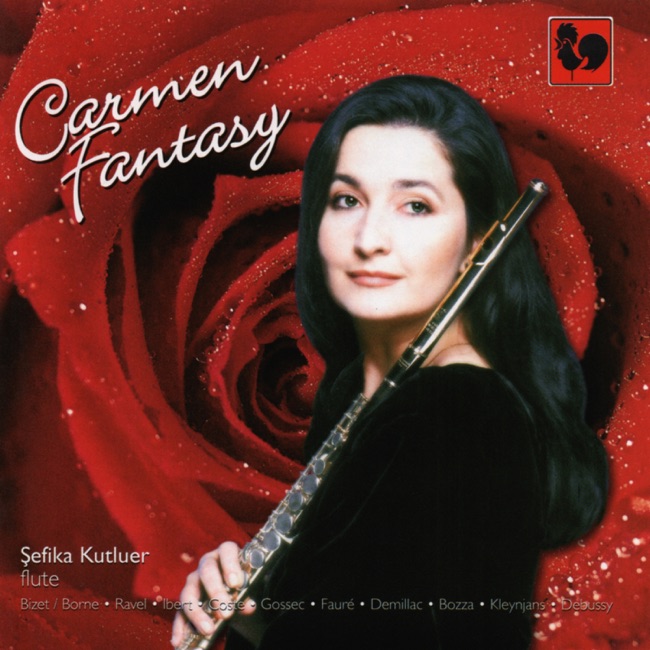 November 25, 2003
Artist Info
Role:ComposerBirth:1917Francis-Paul Demillac was a French composer born on January 1, 1922, in Bordeaux, France. He was the son of a music teacher and grew up in a musical family. His father taught him to play the piano at a young age, and he quickly showed a talent for music. Demillac went on to study at the Conservatoire de Bordeaux, where he received a solid foundation in music theory and composition. After completing his studies, Demillac began his career as a composer, writing music for various ensembles and orchestras. He quickly gained a reputation for his innovative and experimental approach to composition, which blended traditional classical music with modern techniques and styles. One of Demillac's early works was his Piano Sonata No. 1, which he composed in 1948. The piece showcased his unique style, which combined elements of impressionism, atonality, and jazz. The sonata was well-received by critics and helped establish Demillac as a rising star in the classical music world. In the 1950s, Demillac began to experiment with electronic music, which was still a relatively new field at the time. He worked with various electronic instruments and techniques, creating a series of groundbreaking compositions that pushed the boundaries of what was possible in music. One of Demillac's most famous works from this period was his electronic composition, "Métamorphoses". The piece was composed in 1953 and was one of the first works of electronic music to be performed in public. It was a groundbreaking piece that showcased Demillac's innovative approach to composition and his willingness to explore new musical frontiers. In addition to his electronic works, Demillac continued to compose traditional classical music throughout his career. He wrote a number of symphonies, concertos, and chamber music pieces, many of which were performed by some of the world's leading orchestras and ensembles. One of Demillac's most famous works was his Symphony No. 3, which he composed in 1965. The piece was a complex and challenging work that showcased Demillac's mastery of orchestration and his ability to create intricate and nuanced musical textures. The symphony was well-received by critics and helped establish Demillac as one of the leading composers of his generation. Throughout his career, Demillac remained committed to pushing the boundaries of classical music and exploring new musical frontiers. He continued to experiment with electronic music and other new techniques, creating a body of work that was both innovative and deeply rooted in the classical tradition. Demillac's contributions to classical music were recognized with numerous awards and honors throughout his career. He was awarded the Grand Prix de Rome in 1950, the Prix de la Ville de Paris in 1960, and the Grand Prix National de la Musique in 1975. He was also elected to the Académie des Beaux-Arts in 1982, one of the highest honors that can be bestowed upon a French artist. Francis-Paul Demillac passed away on December 22, 1997, at the age of 75. He left behind a rich legacy of innovative and groundbreaking music that continues to inspire and influence composers and musicians around the world. His contributions to classical music will be remembered for generations to come.More....

Copyright Ⓒ 2013 Davinci Finger. All rights reseved
Service Terms & Policy