


Antonio Estévez
Released Album
Keyboard
-
 August 4, 2017
 -
 March 13, 2017
 -
 December 10, 2010
Orchestral
-
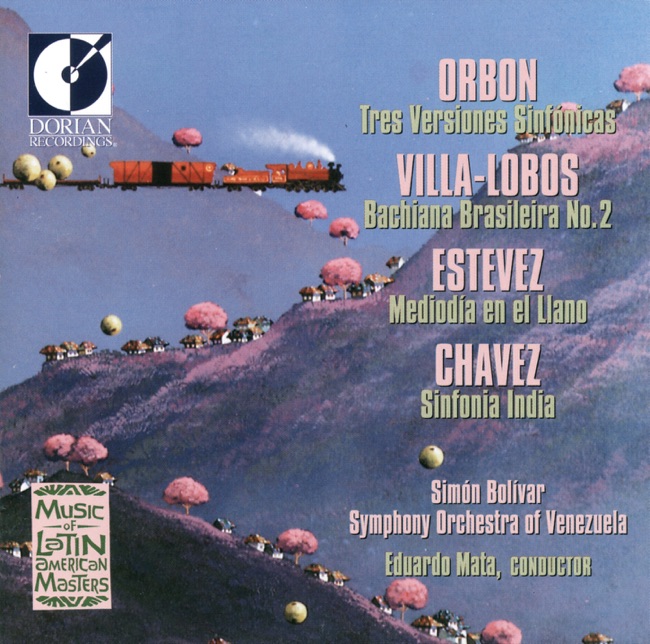 February 1, 1994
Choral
-
 October 15, 2010
Miscellaneous
-
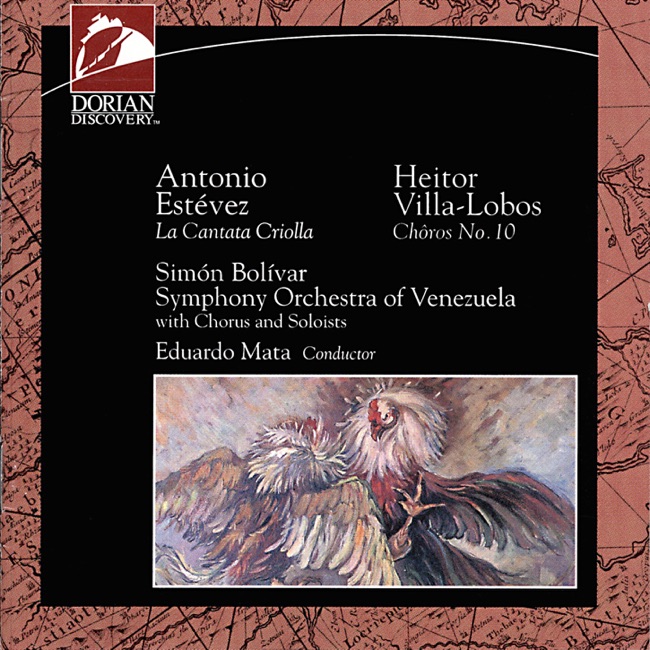 August 31, 1993
Artist Info
Role:ComposerBirth:January 3, 1916Death:1988Antonio Estévez was a Venezuelan composer and conductor who was born on May 13, 1916, in Valencia, Venezuela. He was the son of a Spanish father and a Venezuelan mother. Estévez grew up in a musical family, and his father was a violinist who played in the Valencia Symphony Orchestra. Estévez began his musical studies at a young age, and he showed great talent as a pianist and composer. Estévez studied at the National Conservatory of Music in Caracas, where he was a student of Vicente Emilio Sojo, a prominent Venezuelan composer and conductor. Sojo was a major influence on Estévez's musical style, and he encouraged Estévez to explore the folk music of Venezuela and incorporate it into his compositions. Estévez's early works were influenced by the European classical tradition, but he soon began to incorporate Venezuelan folk music into his compositions. His first major work was the Suite for Strings, which was premiered in 1943 by the Caracas Symphony Orchestra. The suite was well-received, and it established Estévez as a major composer in Venezuela. In 1944, Estévez was appointed conductor of the Maracaibo Symphony Orchestra, and he held this position until 1950. During his time in Maracaibo, Estévez continued to compose and conduct, and he also worked to promote Venezuelan music and culture. He founded the Maracaibo Music Festival, which became an important cultural event in Venezuela. Estévez's most famous work is his Cantata Criolla, which was premiered in 1954. The cantata is based on Venezuelan folk music and tells the story of a Venezuelan cowboy who falls in love with a beautiful woman. The work is scored for chorus, soloists, and orchestra, and it features a variety of Venezuelan instruments, including the cuatro, maracas, and harp. The Cantata Criolla is considered a masterpiece of Venezuelan music, and it has been performed and recorded by many orchestras and choirs around the world. Estévez continued to compose and conduct throughout his life, and he was recognized as one of the most important composers in Venezuela. He was awarded the National Prize for Music in 1965, and he was also awarded the Order of Andrés Bello, Venezuela's highest cultural honor. Estévez died on April 26, 1988, in Caracas, Venezuela. He left behind a legacy of music that continues to be celebrated in Venezuela and around the world. His compositions are known for their fusion of European classical music and Venezuelan folk music, and they have had a significant impact on the development of Venezuelan music.More....
Recent Artist Music
2
7:28





Copyright Ⓒ 2013 Davinci Finger. All rights reseved
Service Terms & Policy