


Allen Anderson
Released Album
Orchestral
-
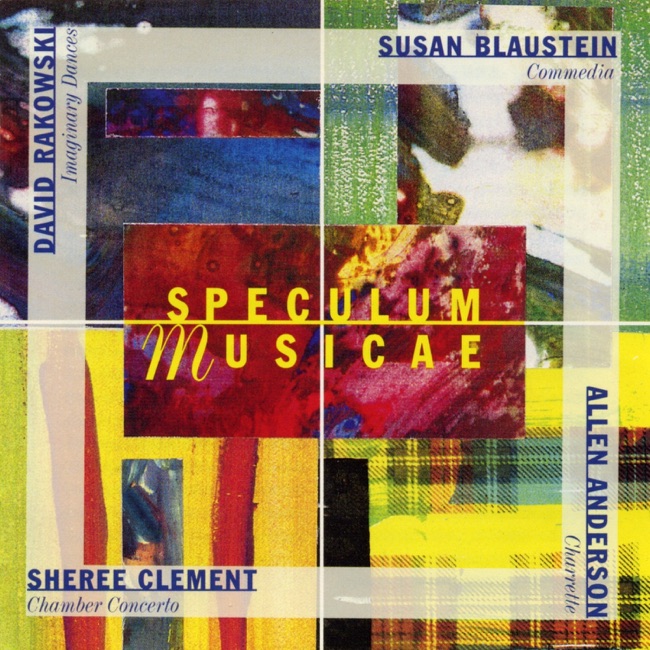 June 10, 1994
Chamber
-
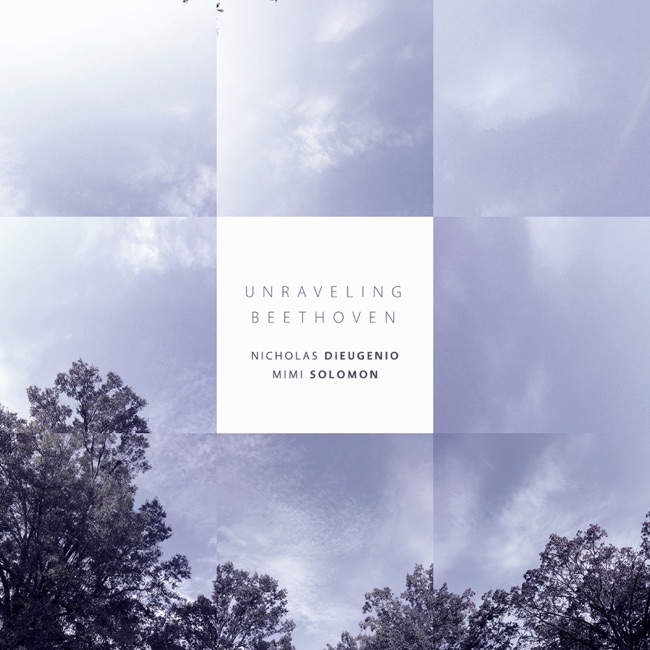 October 26, 2018
 -
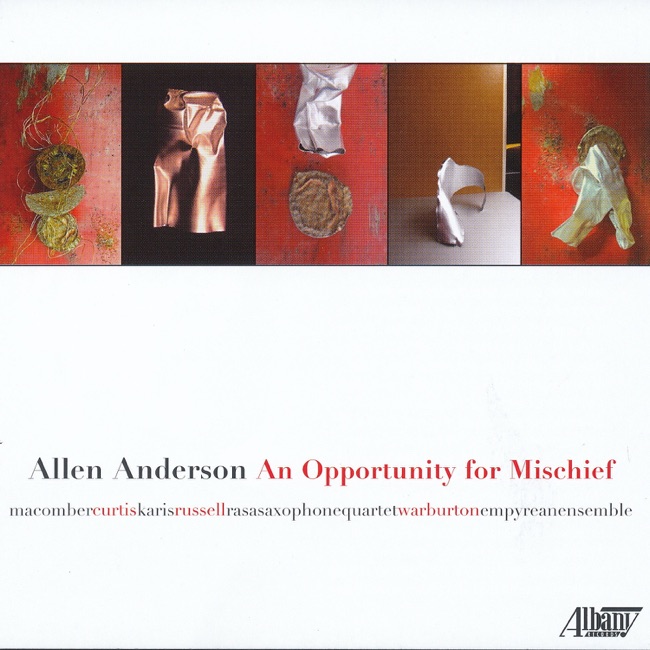 August 12, 2014
Vocal
-
 November 11, 2008
Artist Info
Role:Composer PerformerBirth:1951Genre:ChamberOrchestralAllen Anderson was a renowned American composer of classical music, known for his unique style and innovative approach to composition. Born on May 5, 1949, in New York City, Anderson showed an early interest in music and began playing the piano at the age of six. His parents, both music lovers, encouraged his passion for music and provided him with the necessary resources to pursue his musical education. Anderson's formal music education began at the Juilliard School, where he studied composition under the tutelage of Vincent Persichetti. He later went on to earn a Bachelor of Music degree from the Manhattan School of Music and a Master of Music degree from the Yale School of Music. During his time at Yale, Anderson studied with the renowned composer Jacob Druckman, who had a significant influence on his musical style. Anderson's early works were heavily influenced by the avant-garde movement of the 1960s and 1970s, which emphasized experimentation and innovation in music. His compositions during this period were characterized by complex rhythms, dissonant harmonies, and unconventional instrumentation. One of his most notable works from this period is "Concerto for Piano and Orchestra," which was premiered by the New York Philharmonic in 1975. In the 1980s, Anderson's style began to evolve, and he began incorporating more traditional elements of classical music into his compositions. His works from this period were marked by a greater emphasis on melody and harmony, as well as a more accessible and listener-friendly style. One of his most famous works from this period is "Symphony No. 1," which was premiered by the Boston Symphony Orchestra in 1987. Throughout his career, Anderson was known for his ability to blend different musical styles and genres, creating works that were both innovative and accessible. His compositions often featured elements of jazz, rock, and world music, as well as classical music. One of his most famous works in this vein is "Concerto for Violin and Jazz Band," which was premiered by the New York Philharmonic in 1992. Anderson's later works were marked by a greater emphasis on spirituality and mysticism, as well as a more contemplative and introspective style. His compositions during this period often featured themes of transcendence and enlightenment, as well as a greater use of electronic and computer-generated sounds. One of his most famous works from this period is "Transcendental Meditation," which was premiered by the Los Angeles Philharmonic in 2001. Throughout his career, Anderson received numerous awards and honors for his contributions to classical music. He was a recipient of the Guggenheim Fellowship, the National Endowment for the Arts Fellowship, and the American Academy of Arts and Letters Award. He was also a member of the American Academy of Arts and Sciences and the American Academy of Arts and Letters. Anderson's legacy as a composer of classical music continues to be felt today, with his works being performed and recorded by orchestras and ensembles around the world. His innovative approach to composition and his ability to blend different musical styles and genres have made him one of the most influential composers of the 20th century.More....
Recent Artist Music

Copyright Ⓒ 2013 Davinci Finger. All rights reseved
Service Terms & Policy