


Isaías Sávio
Released Album
Chamber
-
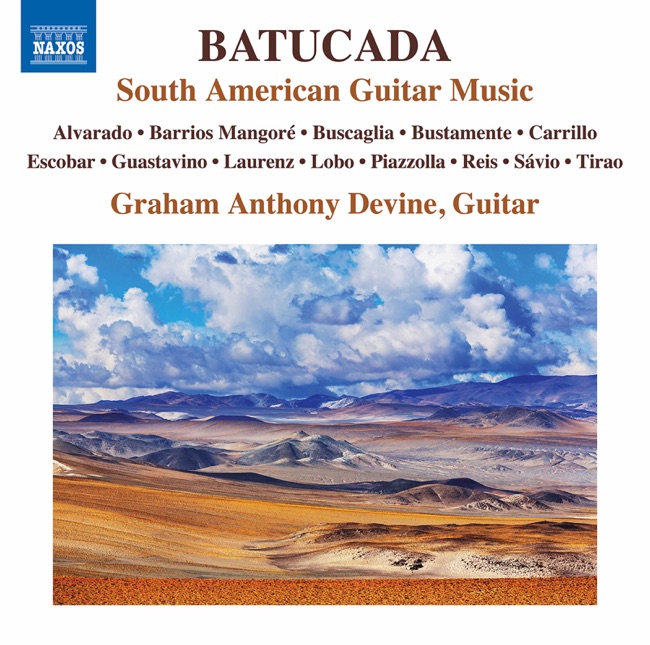 November 12, 2021
 -
 January 1, 2014
 -
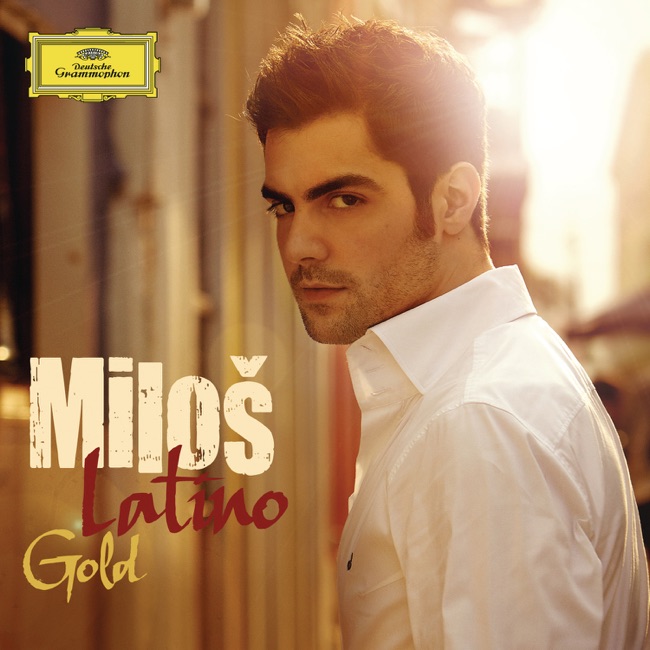 March 4, 2013
 -
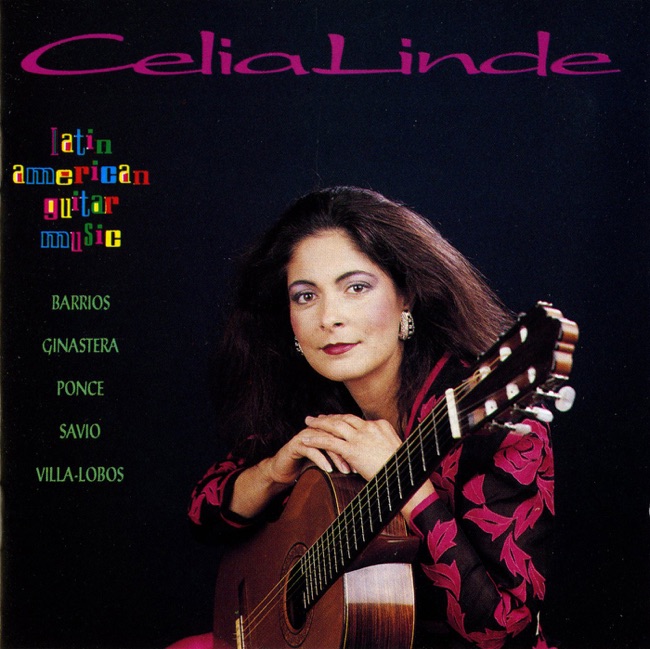 April 1, 2012
 -
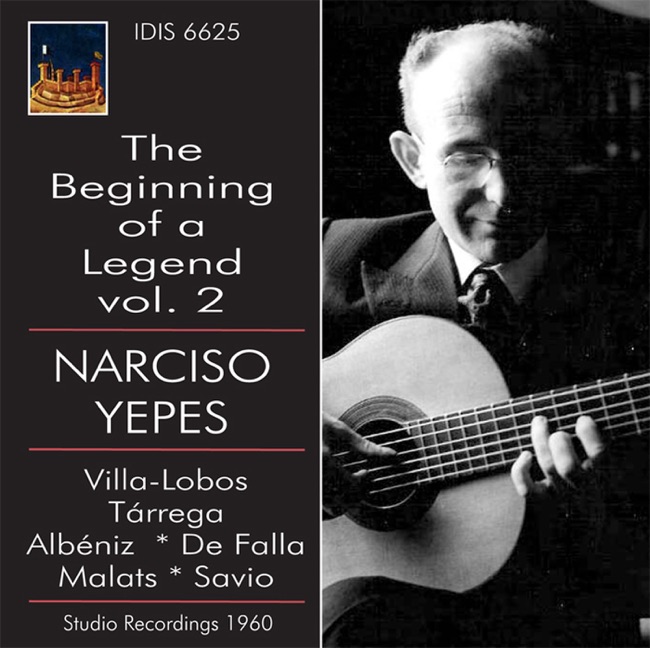 November 22, 2011
 -
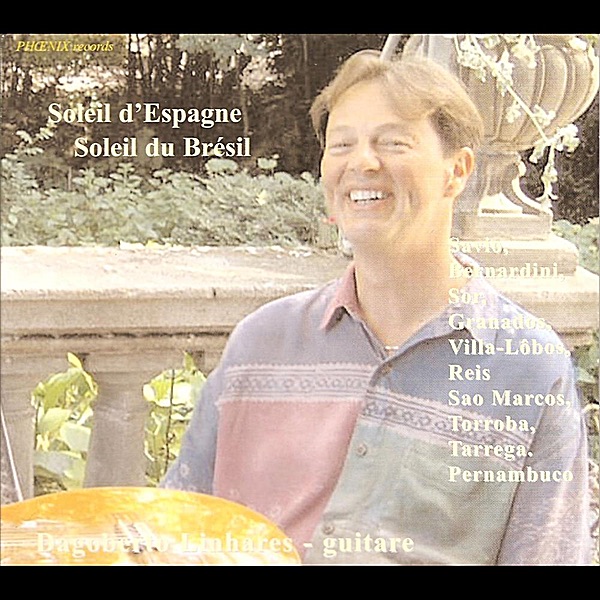 October 9, 2005
Artist Info
Role:ComposerBirth:1902Death:1977Genre:ChamberIsaías Sávio was a Brazilian classical music composer and guitarist who was born on March 2, 1900, in São Paulo, Brazil. He was the son of Italian immigrants who had settled in Brazil. Sávio's father was a musician who played the mandolin, and he introduced his son to music at a young age. Sávio began playing the guitar when he was just six years old, and he quickly showed a natural talent for the instrument. Sávio's early musical education was informal, and he learned to play the guitar by listening to his father and other musicians. However, he soon began to study with more formal teachers, including the Brazilian guitarist Agustin Barrios and the Spanish guitarist Andrés Segovia. Sávio also studied music theory and composition, and he began to compose his own music at a young age. Sávio's early compositions were influenced by the Brazilian choro style, which is a type of instrumental music that combines elements of European classical music with African rhythms. However, he soon began to incorporate other musical styles into his compositions, including Spanish flamenco and Argentine tango. Sávio's music was characterized by its virtuosity and its use of complex harmonies and rhythms. Sávio's career as a composer and performer began to take off in the 1920s and 1930s. He performed extensively throughout Brazil and other parts of South America, and he also began to gain international recognition for his music. In 1935, he performed at the World's Fair in Brussels, Belgium, where he was awarded a gold medal for his guitar playing. Sávio's most famous composition is his "Batucada," which is a lively and rhythmic piece that incorporates elements of Brazilian samba and African percussion. The piece has become a staple of the classical guitar repertoire, and it is still performed by guitarists around the world today. Sávio also composed many other pieces for the guitar, including sonatas, preludes, and etudes. In addition to his work as a composer and performer, Sávio was also a respected teacher. He taught at the Conservatório Dramático e Musical de São Paulo, where he trained many of Brazil's most talented guitarists. Sávio's teaching style was rigorous and demanding, and he expected his students to practice for hours each day. However, his students also respected him for his passion and dedication to the guitar. Sávio continued to compose and perform throughout his life, and he remained an important figure in the Brazilian classical music scene until his death in 1977. His music continues to be performed and recorded by guitarists around the world, and he is remembered as one of Brazil's greatest composers and guitarists.More....
Recent Artist Music




Copyright Ⓒ 2013 Davinci Finger. All rights reseved
Service Terms & Policy