


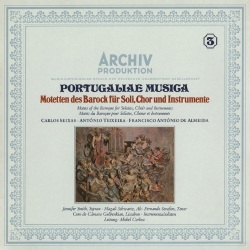
António Teixeira
Released Album
Choral
-
 June 4, 2012
 -
 September 7, 2009
 -
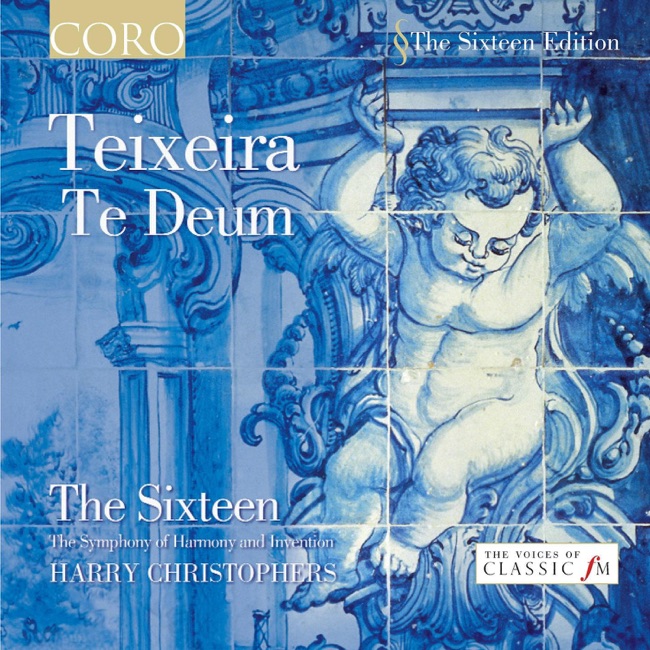 January 1, 2003
Artist Info
Role:ComposerCountry: PortugalBirth:May 14, 1707Death:1759Period:BaroqueGenre:ChoralVocalAntónio Teixeira was a Portuguese composer of the Baroque era, born in Coimbra in 1707. He was the son of a musician, and his father's influence played a significant role in his musical education. Teixeira began his musical studies at a young age, and by the time he was a teenager, he was already composing music. Teixeira's early works were primarily vocal music, including motets and cantatas. He was also known for his instrumental music, particularly his sonatas for violin and harpsichord. Teixeira's music was heavily influenced by the Italian Baroque style, which was popular in Portugal at the time. In 1733, Teixeira was appointed as the maestro di cappella at the Cathedral of Coimbra, a position he held for the rest of his life. During his time at the cathedral, Teixeira composed a significant amount of sacred music, including masses, hymns, and psalms. His music was highly regarded by his contemporaries, and he was considered one of the leading composers of his time in Portugal. One of Teixeira's most significant works is his opera, "La Spinalba," which was first performed in Lisbon in 1739. The opera was a great success and was performed throughout Portugal and Spain. "La Spinalba" is a comic opera, and its music is characterized by its lively rhythms and catchy melodies. The opera's success helped to establish Teixeira's reputation as a composer, and he became known as one of the leading opera composers in Portugal. Teixeira's other operas include "Tiridate," "Demofonte," and "La Circe," all of which were well-received by audiences and critics. His operas were known for their beautiful melodies, expressive harmonies, and dramatic flair. Teixeira's music was also notable for its use of Portuguese folk music, which he incorporated into his compositions to give them a distinct national flavor. In addition to his operas and sacred music, Teixeira also composed instrumental music, including sonatas for violin and harpsichord, and chamber music. His instrumental music was characterized by its virtuosic writing for the solo instrument and its expressive melodies. Teixeira's music was highly regarded during his lifetime, and he was considered one of the leading composers of his time in Portugal. However, after his death in 1772, his music fell into obscurity, and it was not until the 20th century that his music began to be rediscovered and performed again. Today, Teixeira's music is recognized as an important contribution to the Baroque era, and his operas are considered some of the finest examples of Portuguese Baroque opera. His music is characterized by its expressive melodies, virtuosic writing, and use of Portuguese folk music, which gives it a distinct national flavor. Teixeira's legacy as a composer continues to be celebrated today, and his music remains an important part of the Portuguese musical tradition.More....
Copyright Ⓒ 2013 Davinci Finger. All rights reseved
Service Terms & Policy