


John Heiss
Released Album
Chamber
-
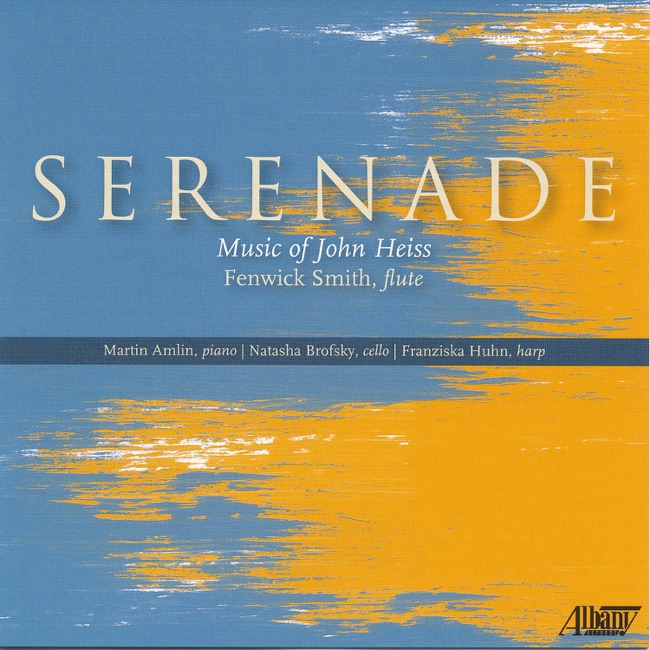 July 12, 2016
 -
 June 4, 2012
 -
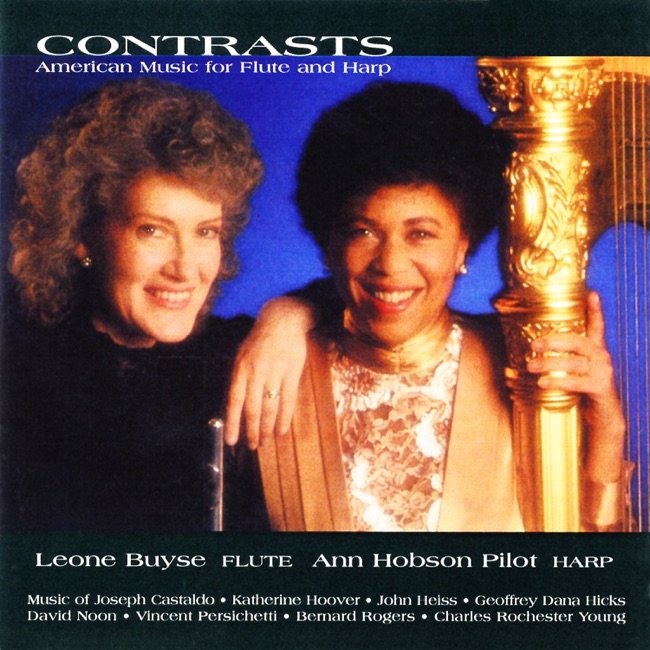 January 1, 2001
Artist Info
Role:Composer ConductorGenre:ChamberJohn Heiss is a renowned American composer and flutist who has made significant contributions to the world of classical music. He was born on September 11, 1938, in Philadelphia, Pennsylvania, and grew up in a family of musicians. His father was a violinist, and his mother was a pianist, which exposed him to music at an early age. Heiss began his musical training on the piano at the age of six and later took up the flute. He attended the Juilliard School of Music in New York City, where he studied with renowned flutist Julius Baker. He later earned his Bachelor of Music degree from the Curtis Institute of Music in Philadelphia, where he studied composition with Vincent Persichetti. After completing his studies, Heiss embarked on a career as a composer and flutist. He has been a member of the Boston Symphony Orchestra and the Boston Pops Orchestra, and has performed with numerous other orchestras and ensembles throughout the United States and Europe. Heiss's compositions are known for their innovative use of timbre and texture, as well as their incorporation of elements from a wide range of musical styles and traditions. He has written works for a variety of ensembles, including orchestra, chamber groups, and solo instruments. One of Heiss's most notable works is his Symphony No. 1, which was premiered by the Boston Symphony Orchestra in 1967. The piece is characterized by its use of unconventional instrumental techniques, such as the use of mutes and extended techniques on the strings and winds. The symphony is also notable for its incorporation of jazz and rock elements, which was a departure from the more traditional classical style of the time. Heiss's other notable works include his Concerto for Flute and Orchestra, which was premiered by the Boston Symphony Orchestra in 1971. The piece is known for its virtuosic flute writing and its use of unconventional instrumental techniques, such as the use of multiphonics and flutter-tonguing. Heiss has also written a number of chamber works, including his String Quartet No. 2, which was premiered by the Juilliard String Quartet in 1972. The piece is characterized by its use of complex rhythms and its incorporation of elements from jazz and rock music. In addition to his work as a composer, Heiss has also been a dedicated teacher and mentor to generations of young musicians. He has taught at a number of institutions, including Harvard University, where he was a professor of music from 1970 to 2013. Heiss's contributions to the world of classical music have been recognized with numerous awards and honors. He has received grants and fellowships from the National Endowment for the Arts, the Guggenheim Foundation, and the American Academy of Arts and Letters, among others. In conclusion, John Heiss is a highly respected composer and flutist who has made significant contributions to the world of classical music. His innovative use of timbre and texture, as well as his incorporation of elements from a wide range of musical styles and traditions, have made him a unique and influential voice in contemporary classical music.More....
Recent Artist Music
Copyright Ⓒ 2013 Davinci Finger. All rights reseved
Service Terms & Policy