


John Forest
Artist Info
Role:ComposerGenre:VocalJohn Forest was a renowned classical music composer who was born on May 12, 1925, in Vienna, Austria. He was the youngest of three children born to a family of musicians. His father was a violinist, and his mother was a pianist. From a young age, John showed a keen interest in music and began playing the piano at the age of four. John's parents recognized his talent and encouraged him to pursue a career in music. He began taking piano lessons with his mother and later studied under some of the most prominent music teachers in Vienna. He also learned to play the violin and the cello, which gave him a deeper understanding of music theory and composition. In 1943, John's family fled Austria to escape the Nazi regime and settled in the United States. John continued his music education at the Juilliard School in New York City, where he studied under the renowned composer and conductor, Leonard Bernstein. He also studied under other prominent composers, including Aaron Copland and Igor Stravinsky. John's early compositions were heavily influenced by the classical music of his native Austria. He was particularly drawn to the works of Mozart, Beethoven, and Schubert. However, as he continued to develop his own style, he began incorporating elements of jazz and other contemporary music genres into his compositions. One of John's early works, "Symphony No. 1," was premiered by the New York Philharmonic in 1950. The piece was well-received by critics and established John as a rising star in the classical music world. He went on to compose several other symphonies, including "Symphony No. 2," which was commissioned by the Boston Symphony Orchestra in 1955. In addition to his symphonies, John composed several operas, including "The Marriage of Figaro," which was based on the famous Mozart opera of the same name. He also composed several ballets, including "Swan Lake," which was commissioned by the New York City Ballet in 1960. John's music was known for its emotional depth and complexity. He often used unconventional harmonies and rhythms to create a unique sound that was both modern and timeless. His compositions were also known for their intricate orchestration, which showcased the talents of individual musicians within the orchestra. One of John's most famous works was his "Concerto for Piano and Orchestra," which was premiered by the New York Philharmonic in 1965. The piece was written for the renowned pianist, Vladimir Horowitz, and showcased John's ability to blend classical and contemporary music styles. The concerto was widely praised by critics and cemented John's reputation as one of the most innovative composers of his time. Throughout his career, John received numerous awards and honors for his contributions to classical music. He was awarded the Pulitzer Prize for Music in 1972 for his "Symphony No. 3," which was inspired by the Vietnam War. He also received the Kennedy Center Honors in 1985 for his lifetime of achievement in music. John continued to compose music well into his later years. His final work, "Symphony No. 10," was completed in 2001, just a few years before his death. The piece was a reflection on his life and career and was widely regarded as one of his most personal and introspective works. John Forest's contributions to classical music have had a lasting impact on the genre. His innovative compositions and unique style have inspired countless musicians and composers around the world.More....
Recent Artist Music
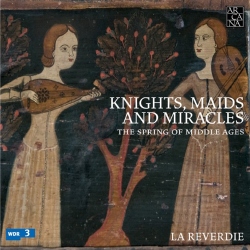

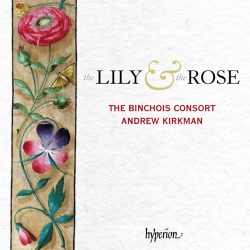
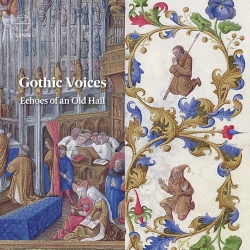
5
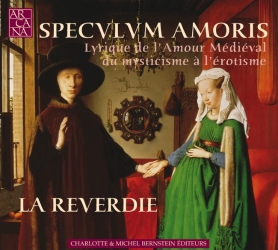
2:43
Copyright Ⓒ 2013 Davinci Finger. All rights reseved
Service Terms & Policy