


Wilhelm Weismann
Released Album
Choral
-
 November 16, 2018
 -
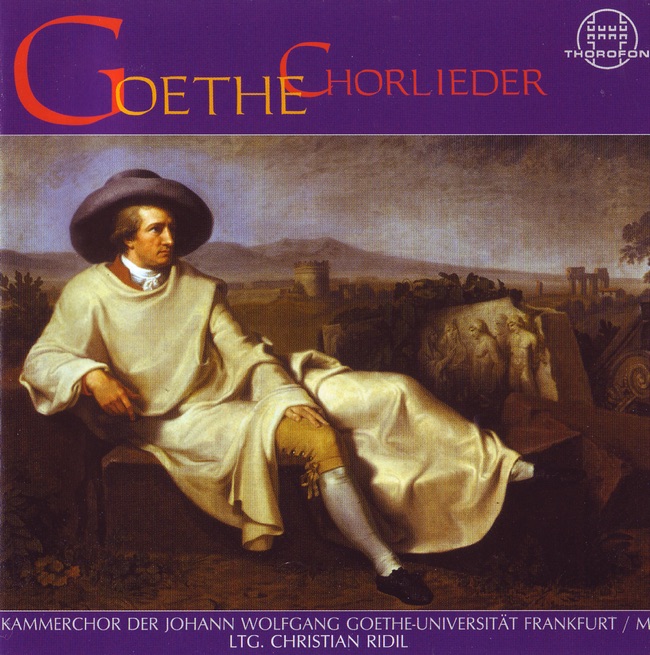 August 19, 2008
 -
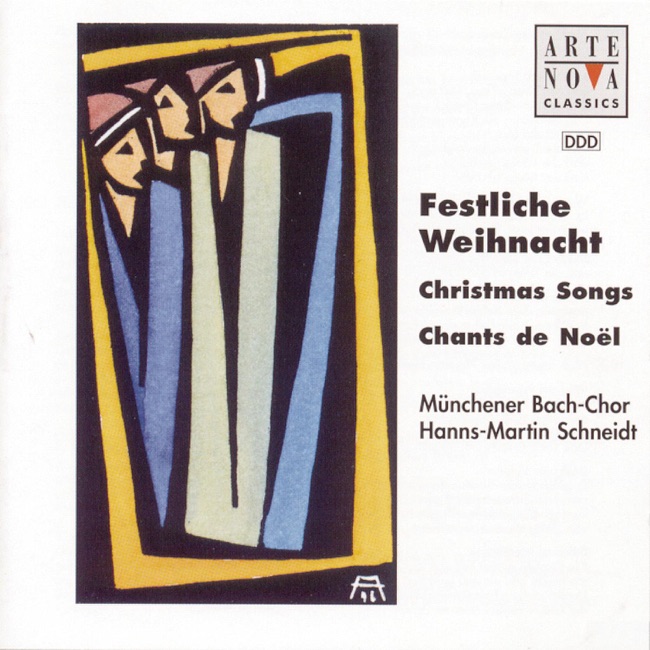 October 4, 1996
Vocal
-
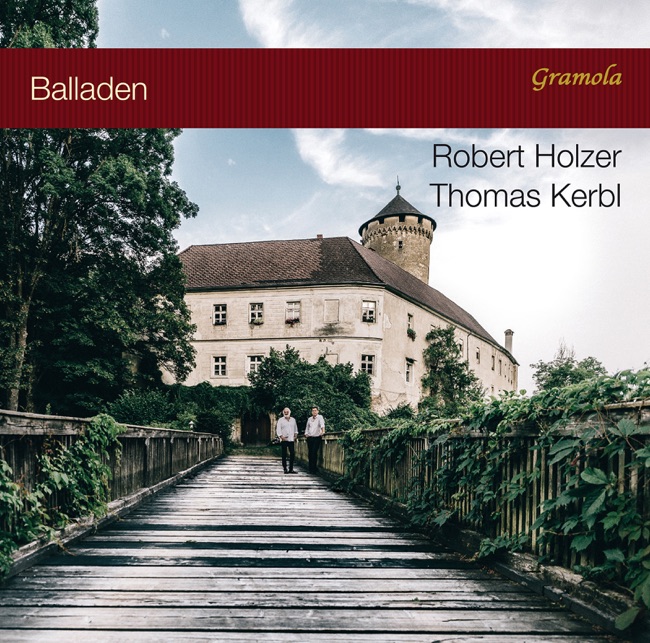 May 18, 2018
Artist Info
Role:ComposerBirth:September 20, 1900Death:May 14, 1980Period:ContemporaryModernGenre:ChoralVocalWilhelm Weismann was a German composer and pianist who lived from 1886 to 1950. He was born in the city of Breslau, which is now known as Wrocław and is located in modern-day Poland. Weismann showed an early aptitude for music and began studying piano at a young age. He went on to study at the Hochschule für Musik in Berlin, where he was a student of the renowned composer and pianist Ferruccio Busoni. Weismann's early compositions were heavily influenced by the music of Busoni, as well as by the works of other composers of the time, such as Richard Strauss and Gustav Mahler. He was particularly interested in the use of harmony and counterpoint, and his early works often featured complex and intricate musical structures. One of Weismann's early successes came in 1910, when his Piano Sonata No. 1 was premiered in Berlin. The piece was well-received by audiences and critics alike, and helped to establish Weismann as a rising star in the world of classical music. Over the next several years, Weismann continued to compose and perform, and his reputation as a composer grew. He was particularly known for his piano music, which was often virtuosic and challenging to play. In addition to his solo piano works, he also composed chamber music, orchestral music, and vocal music. One of Weismann's most famous works is his Piano Concerto No. 1, which was premiered in 1921. The piece is notable for its use of complex rhythms and harmonies, as well as for its virtuosic piano writing. The concerto was a critical and popular success, and helped to cement Weismann's reputation as one of the leading composers of his time. In addition to his work as a composer, Weismann was also a respected pianist and teacher. He taught at the Hochschule für Musik in Berlin, and his students included the pianist and composer Hans Werner Henze. Weismann's career was interrupted by the rise of the Nazi party in Germany in the 1930s. As a Jew, he was forced to flee the country, and he eventually settled in the United States. He continued to compose and perform, but his music was largely forgotten in the years following his death in 1950. In recent years, however, there has been a renewed interest in Weismann's music. His works have been performed and recorded by a number of contemporary musicians, and his legacy as a composer and pianist is once again being recognized.More....
Recent Artist Music

Copyright Ⓒ 2013 Davinci Finger. All rights reseved
Service Terms & Policy