


Kurmangazy Sagyrbayuly
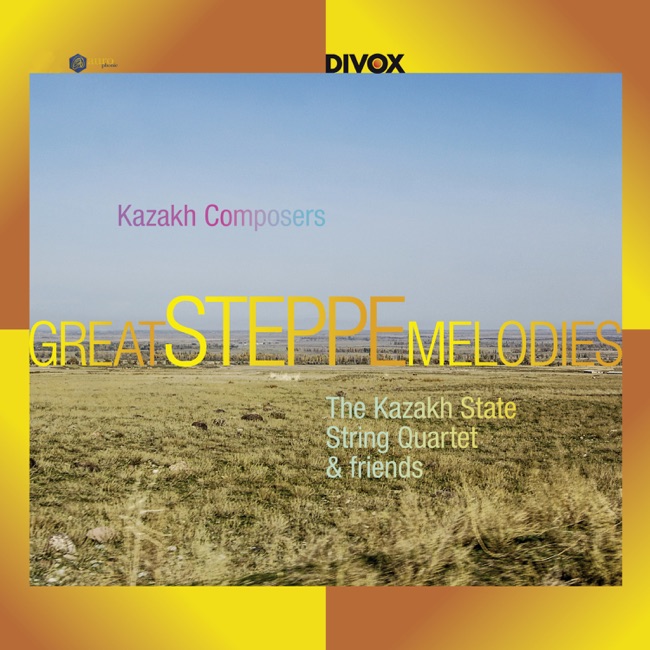
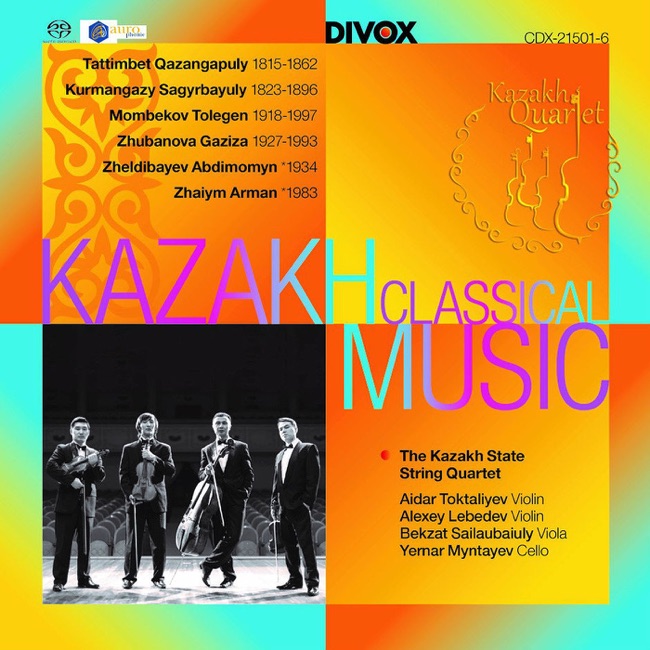
Artist Info
Role:ComposerBirth:1823Death:1896Kurmangazy Sagyrbayuly was a prominent composer and musician from Kazakhstan who lived during the 19th century. He was born in 1823 in the village of Shyngys, which is located in the Akmola region of Kazakhstan. Kurmangazy was born into a family of musicians, and his father, Sagyrbay, was a well-known dombra player and composer. Kurmangazy inherited his father's musical talent and began playing the dombra at a young age. Kurmangazy's family was part of the Kazakh aristocracy, and he received a traditional education in addition to his musical training. He learned to read and write in Arabic and studied Islamic theology. However, music was his true passion, and he devoted himself to mastering the dombra and composing music. Kurmangazy's music was heavily influenced by the traditional music of the Kazakh people. He incorporated elements of Kazakh folk music into his compositions, which helped to preserve and promote the cultural heritage of his people. His music was also influenced by the Sufi tradition, which emphasized the spiritual and mystical aspects of music. Kurmangazy's most famous work is the "Kurmangazy Symphony," which is considered to be one of the first symphonies composed in Central Asia. The symphony is a fusion of traditional Kazakh music and Western classical music, and it features the dombra, a traditional Kazakh stringed instrument, alongside Western instruments such as the violin and cello. The symphony is divided into four movements, each of which represents a different aspect of Kazakh culture and history. In addition to the "Kurmangazy Symphony," Kurmangazy composed many other works for the dombra, including solo pieces and duets. He also composed vocal music, including songs and hymns, which were often performed at religious ceremonies and festivals. Kurmangazy was not only a composer but also a performer, and he was known for his virtuosic dombra playing. He traveled throughout Kazakhstan and Central Asia, performing for audiences and teaching other musicians. He was also a respected teacher and mentor, and many of his students went on to become accomplished musicians in their own right. Kurmangazy's music had a significant impact on the development of Kazakh music and culture. His compositions helped to preserve and promote traditional Kazakh music, while also incorporating elements of Western classical music. His music was also an important part of the Kazakh national identity, and it played a role in the cultural and political movements that emerged in Kazakhstan during the 20th century. Despite his contributions to Kazakh music and culture, Kurmangazy's life was not without its challenges. He lived during a time of political and social upheaval in Kazakhstan, and he faced persecution and censorship from the Russian authorities who controlled the region. He was also plagued by personal tragedies, including the death of his wife and children. Kurmangazy died in 1896 at the age of 73. His legacy lives on through his music, which continues to be performed and celebrated in Kazakhstan and around the world. His contributions to Kazakh music and culture have earned him a place as one of the most important figures in the history of Central Asian music.More....
Recent Artist Music

Copyright Ⓒ 2013 Davinci Finger. All rights reseved
Service Terms & Policy