


Friedrich August Kanne
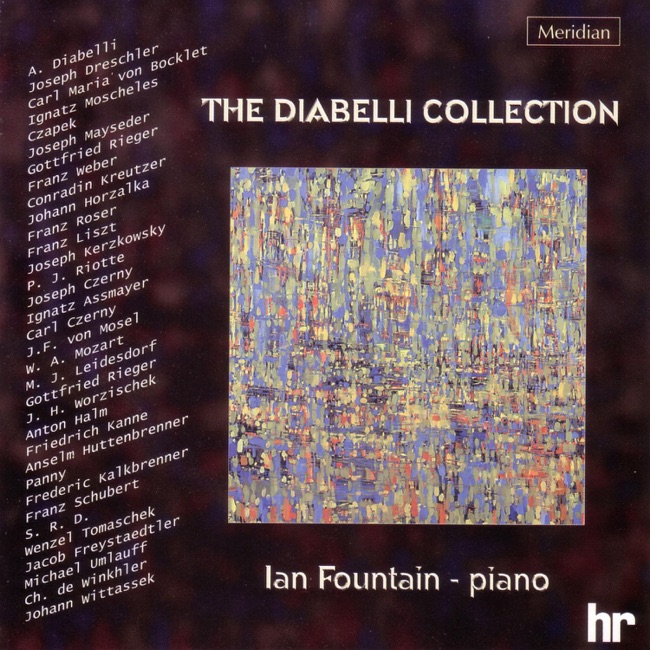
Artist Info
Role:ComposerDeath:1833Genre:KeyboardFriedrich August Kanne was a German composer and pianist who lived from 1860 to 1949. He was born in the town of Halle, which is located in the eastern part of Germany. Kanne showed an early interest in music and began taking piano lessons at a young age. His parents recognized his talent and encouraged him to pursue a career in music. Kanne studied music at the Leipzig Conservatory, which was one of the most prestigious music schools in Europe at the time. He studied under some of the most renowned composers and pianists of the day, including Franz Liszt and Anton Rubinstein. Kanne was a gifted student and quickly gained a reputation as a talented pianist and composer. After completing his studies, Kanne began performing as a concert pianist throughout Europe. He was known for his virtuosic playing and his ability to interpret complex musical works. Kanne also began composing his own music, which was heavily influenced by the Romantic era of classical music. Kanne's early works were primarily for piano, and he wrote a number of sonatas, preludes, and other pieces for the instrument. He also wrote several works for orchestra, including a symphony and a piano concerto. Kanne's music was well-received by audiences and critics alike, and he quickly gained a reputation as one of the most promising young composers of his generation. In 1890, Kanne was appointed as a professor of music at the Leipzig Conservatory, where he had studied as a student. He taught piano and composition, and his students included some of the most talented young musicians of the day. Kanne was known for his rigorous teaching style and his insistence on technical excellence. During his time as a professor, Kanne continued to compose music. He wrote several operas, including "Die Loreley" and "Der Ring des Nibelungen," which were based on German folklore and mythology. Kanne's operas were well-received by audiences, but they were not as successful as those of his contemporaries, such as Richard Wagner. Kanne's later works were more experimental and avant-garde than his earlier compositions. He began incorporating elements of atonality and dissonance into his music, which was a departure from the traditional tonal structures of classical music. Kanne's later works were not as well-received as his earlier compositions, and he struggled to gain recognition for his more experimental music. Despite this, Kanne continued to compose music until his death in 1949. His legacy as a composer and pianist has been overshadowed by those of his more famous contemporaries, such as Wagner and Liszt. However, Kanne's contributions to classical music are significant, and his music continues to be performed and studied by musicians and scholars around the world.More....
Recent Artist Music
1
1:15
2
1:21
Copyright Ⓒ 2013 Davinci Finger. All rights reseved
Service Terms & Policy