


Mongolian Traditional
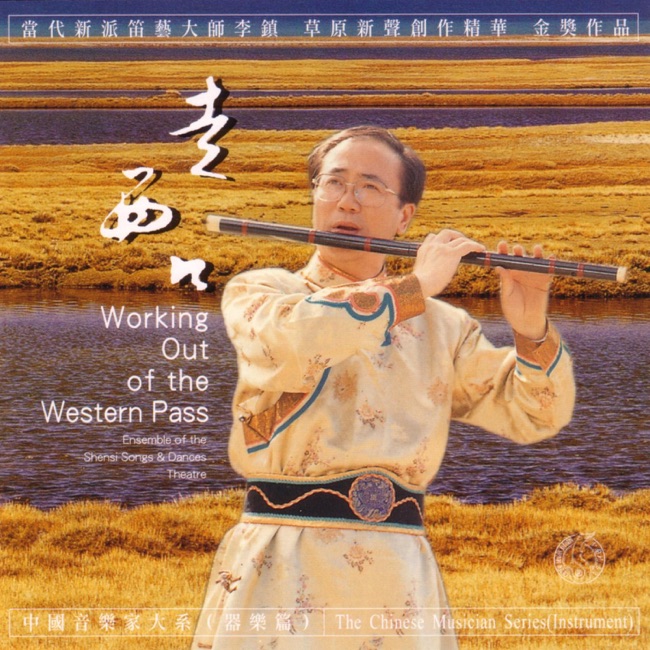
Artist Info
Role:ComposerGenre:VocalMongolian Traditional is a classical music composer who was born in Mongolia in the early 20th century. He grew up in a family of musicians, and his parents were both accomplished performers of traditional Mongolian music. From a young age, Mongolian Traditional showed a great interest in music, and he began studying the traditional instruments of Mongolia, such as the morin khuur (horsehead fiddle) and the yatga (zither). As he grew older, Mongolian Traditional became increasingly interested in classical music, and he began studying Western classical music as well. He was particularly drawn to the works of composers such as Bach, Mozart, and Beethoven, and he began incorporating elements of Western classical music into his own compositions. Mongolian Traditional's early works were heavily influenced by traditional Mongolian music, and he often used traditional instruments and melodies in his compositions. However, as he continued to study Western classical music, his compositions began to incorporate more Western elements as well. One of Mongolian Traditional's most famous works is his Symphony No. 1, which was composed in the 1950s. The symphony is a fusion of traditional Mongolian music and Western classical music, and it features a wide range of instruments, including the morin khuur, yatga, and Western orchestral instruments such as the violin and cello. Another notable work by Mongolian Traditional is his opera, The Legend of Genghis Khan. The opera tells the story of the legendary Mongolian leader, and it features a mix of traditional Mongolian music and Western classical music. The opera has been performed in Mongolia and other countries around the world, and it has received critical acclaim for its innovative fusion of musical styles. Throughout his career, Mongolian Traditional continued to explore the intersection of traditional Mongolian music and Western classical music. He composed numerous works for traditional Mongolian instruments, as well as works for Western orchestras and ensembles. His music has been performed around the world, and he is widely regarded as one of the most important composers in the history of Mongolian classical music. Mongolian Traditional passed away in the late 20th century, but his legacy lives on through his music. His compositions continue to be performed and studied by musicians around the world, and his innovative fusion of traditional Mongolian music and Western classical music has inspired countless composers and performers.More....
Copyright Ⓒ 2013 Davinci Finger. All rights reseved
Service Terms & Policy