


Fumio Hayasaka
Released Album
Vocal
-
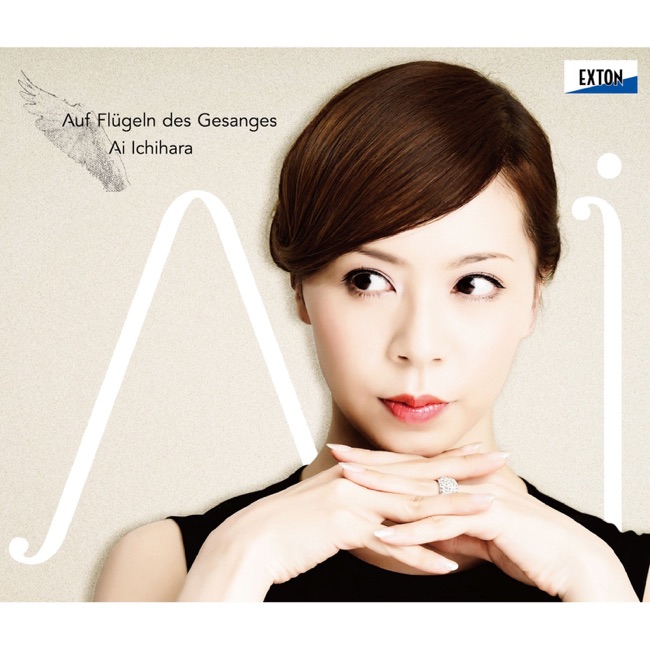 March 9, 2016
 -
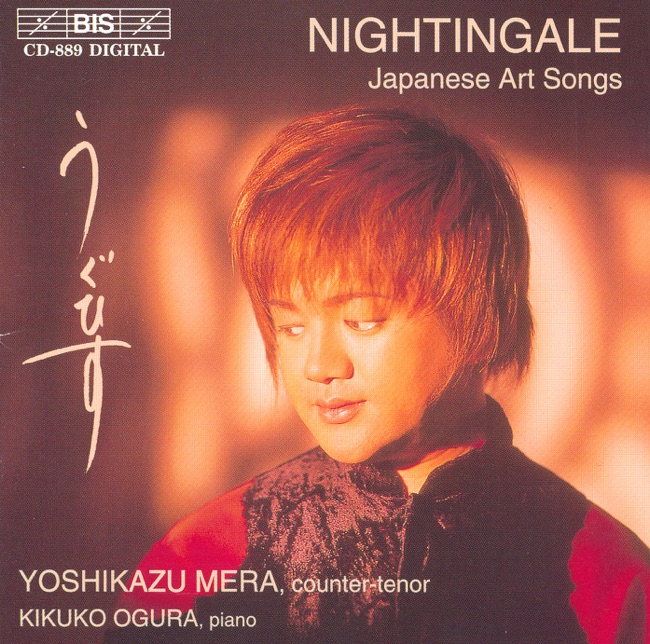 August 7, 2000
Keyboard
-
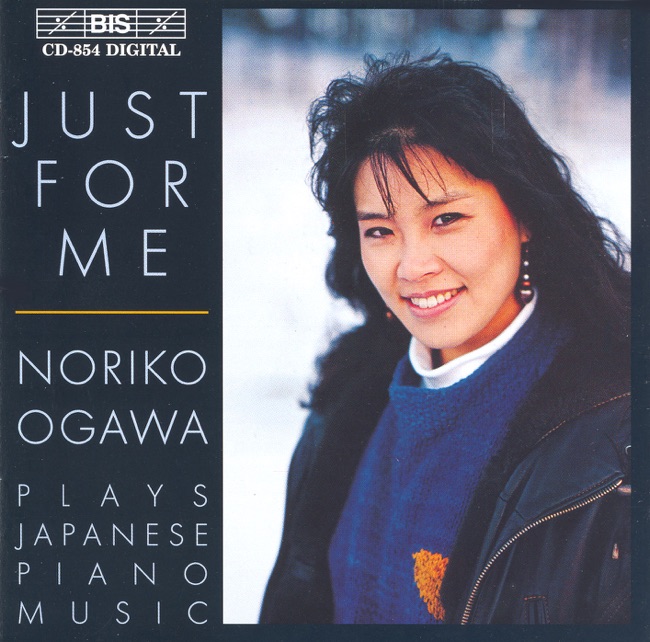 August 5, 2000
Artist Info
Role:ComposerCountry: JapanBirth:August 19, 1914 in Sendai, JapanDeath:October 15, 1955 in Tokyo, JapanPeriod:ModernGenre:VocalFumio Hayasaka was a Japanese composer who was born on August 19, 1914, in Sendai, Japan. He was the youngest of six children and grew up in a family that was deeply involved in music. His father was a music teacher, and his mother was a singer. Hayasaka began playing the piano at a young age and showed a natural talent for music. Hayasaka's family moved to Tokyo when he was a child, and he continued his musical education there. He studied composition with Kiyose Nakano and piano with Kozaburo Hirai. In 1933, he entered the Tokyo Music School (now the Tokyo University of the Arts) and studied composition with Tomojirō Ikenouchi. Hayasaka's early compositions were influenced by Western classical music, particularly the works of Claude Debussy and Maurice Ravel. He also drew inspiration from Japanese folk music and traditional Japanese instruments such as the koto and shakuhachi. In 1936, Hayasaka graduated from the Tokyo Music School and began working as a composer for the Shochiku film studio. He quickly established himself as one of Japan's leading film composers, and his music was featured in many of the studio's most successful films. One of Hayasaka's most famous works is the score for Akira Kurosawa's 1950 film "Rashomon." The film's innovative storytelling and complex characters were matched by Hayasaka's haunting and evocative score, which used traditional Japanese instruments and Western orchestration to create a unique and powerful sound. Hayasaka's other notable film scores include "The Seven Samurai" (1954), "Ikiru" (1952), and "The Idiot" (1951). He also composed music for stage productions and radio dramas. In addition to his work as a composer, Hayasaka was also a teacher and mentor to many young musicians. He taught composition at the Tokyo Music School and was known for his rigorous and demanding approach to teaching. Hayasaka's life and career were cut short when he died of tuberculosis on October 15, 1955, at the age of 41. Despite his relatively short career, he left a lasting impact on Japanese music and film. His innovative use of traditional Japanese instruments and his fusion of Western and Japanese musical styles continue to influence composers and musicians today.More....
Copyright Ⓒ 2013 Davinci Finger. All rights reseved
Service Terms & Policy