


Conrad Kocher
Released Album
Miscellaneous
-
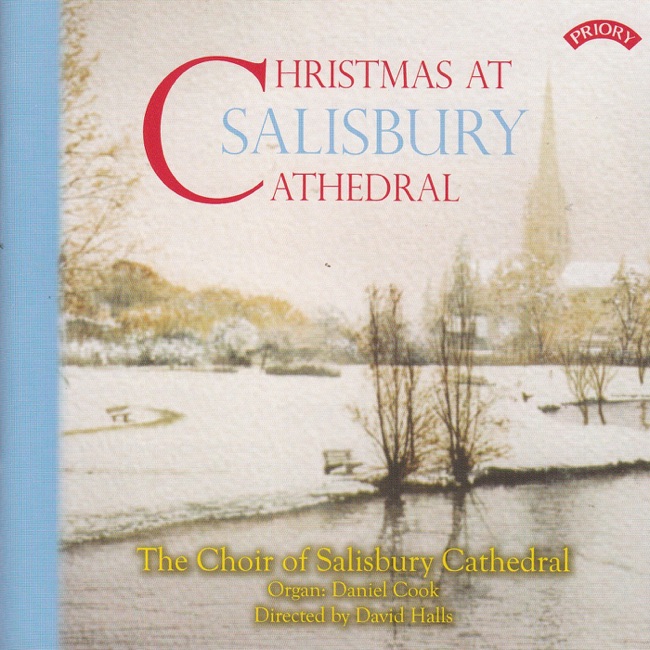 June 23, 2010
 -
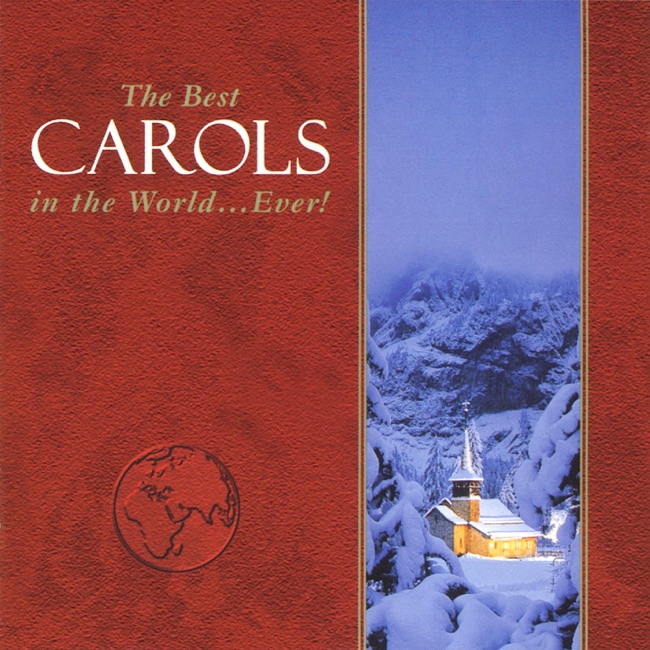 November 23, 1998
 -
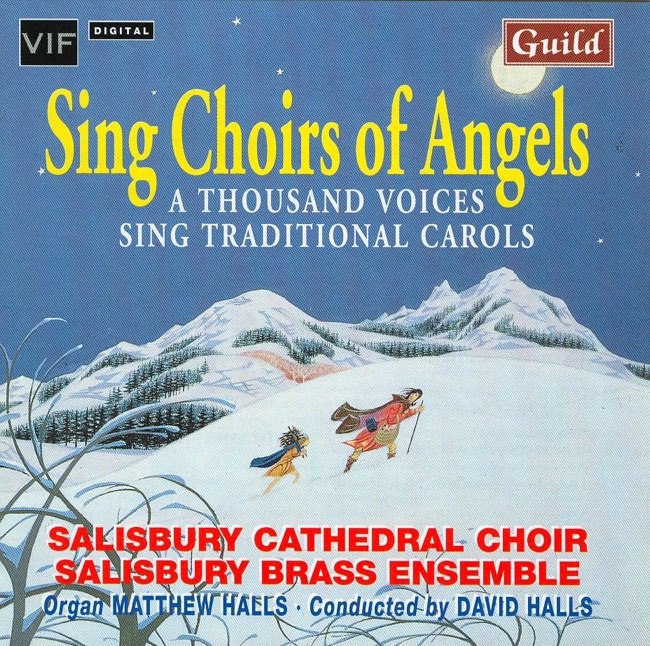 January 1, 1997
 -
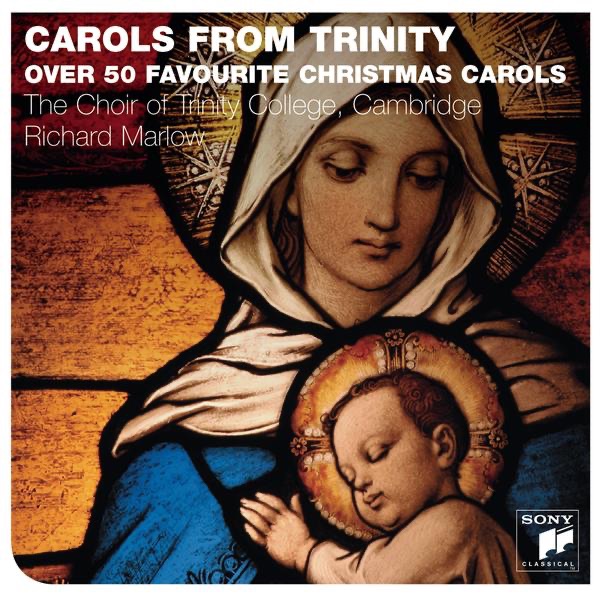 October, 1995
 -
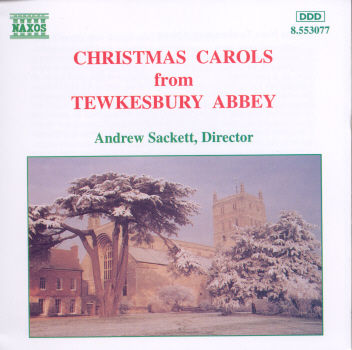 November 10, 1994
Choral
-
 2014
2014 -
 March 15, 2011
 -
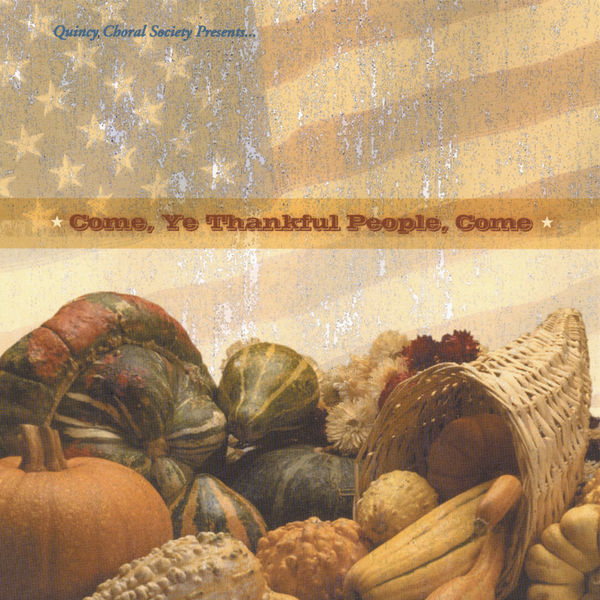 September 21, 2004
Artist Info
Role:Composer PerformerBirth:1786Death:1872Conrad Kocher was a German composer and music educator who lived from 1786 to 1872. He was born in Ditzingen, a small town in the southwestern region of Germany. His father was a schoolteacher and a church musician, and it was under his guidance that Conrad first began to learn music. He showed a natural talent for the piano and the organ, and by the age of 14, he was already playing in church services. In 1805, Kocher moved to Stuttgart to study music at the Royal Academy of Music. There, he studied under some of the most prominent musicians of the time, including Johann Nepomuk Hummel and Johann Andreas Streicher. He also became friends with the composer Franz Schubert, who was also studying at the academy at the time. After completing his studies, Kocher returned to his hometown of Ditzingen, where he became the organist and choir director at the local church. He also began to compose his own music, primarily for use in church services. His first published work was a collection of hymns, which he released in 1819. This collection, titled "Psalmodia Sacra," was a great success and helped establish Kocher as a respected composer. Over the next few years, Kocher continued to compose music for the church, including hymns, cantatas, and other sacred works. He also began to teach music, first at a local school and later at the Royal Academy of Music in Stuttgart. He was known for his innovative teaching methods, which emphasized the importance of ear training and improvisation. In 1831, Kocher published his most famous work, a collection of hymns titled "The Church Hymn Book." This collection included over 500 hymns, many of which are still sung in churches today. Kocher's hymns were known for their simple melodies and harmonies, which made them easy for congregations to sing. They were also notable for their use of traditional German folk melodies, which gave them a unique character. In addition to his work as a composer and music educator, Kocher was also involved in the development of new musical instruments. He was particularly interested in the organ, and he worked with several organ builders to develop new designs and techniques. He also wrote a book on the subject, titled "The Organ: Its Construction and Use." Kocher continued to compose and teach music until his death in 1872. His legacy lives on through his hymns, which are still sung in churches around the world. He is also remembered for his contributions to music education and his work in the development of new musical instruments.More....
Recent Artist Music


Copyright Ⓒ 2013 Davinci Finger. All rights reseved
Service Terms & Policy