


Eugene Cowles
Artist Info
Role:Composer PerformerEugene Cowles was a prominent American composer of classical music, known for his innovative and experimental approach to composition. Born in 1899 in New York City, Cowles showed an early interest in music and began studying piano and composition at a young age. He attended the Juilliard School of Music, where he studied with renowned composers such as Ernest Bloch and Aaron Copland. Cowles' early works were heavily influenced by the modernist movement in music, which emphasized dissonance, unconventional harmonies, and complex rhythms. His first major composition, the Piano Sonata No. 1, was premiered in 1922 and received critical acclaim for its bold and daring style. Cowles continued to experiment with new forms and techniques throughout his career, often incorporating elements of jazz and folk music into his compositions. One of Cowles' most famous works is the Symphony No. 1, which was premiered in 1930 and quickly became a sensation in the classical music world. The symphony is notable for its use of unconventional harmonies and rhythms, as well as its incorporation of jazz and blues elements. It was praised by critics for its originality and daring, and helped establish Cowles as one of the leading composers of his generation. Cowles continued to compose throughout the 1930s and 1940s, producing a wide range of works in various genres. He wrote several operas, including the critically acclaimed The Tempest, which premiered in 1945. He also composed numerous chamber works, including string quartets, sonatas, and trios. In the 1950s, Cowles began to experiment with electronic music, which was still a relatively new field at the time. He collaborated with engineers and scientists to develop new electronic instruments and techniques, and produced several groundbreaking works in the genre. His electronic compositions were often characterized by their use of unusual sounds and textures, as well as their incorporation of traditional musical elements. Despite his many achievements, Cowles remained a somewhat controversial figure in the classical music world. His avant-garde style and willingness to experiment with new forms and techniques often put him at odds with more conservative critics and audiences. However, his influence on the development of modern classical music cannot be overstated, and his legacy continues to inspire composers and musicians to this day.More....
Recent Artist Music

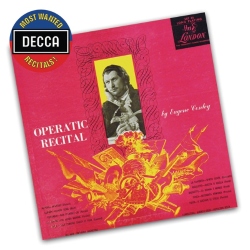
Copyright Ⓒ 2013 Davinci Finger. All rights reseved
Service Terms & Policy