


Strokin
Released Album
Miscellaneous
-
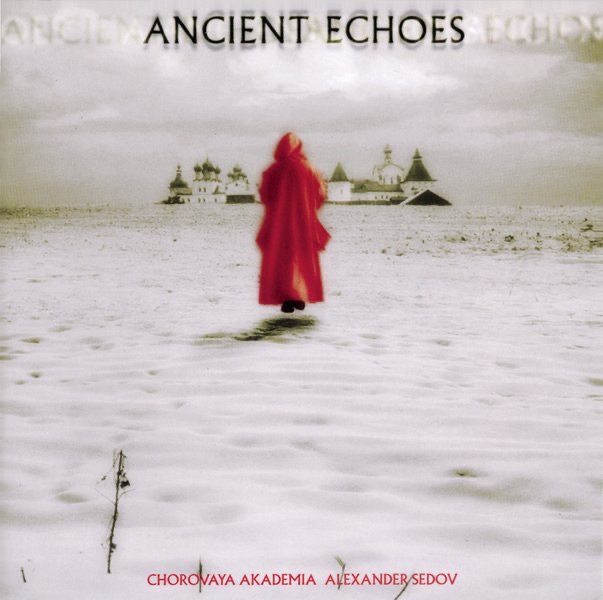 April 18, 1994
Choral
-
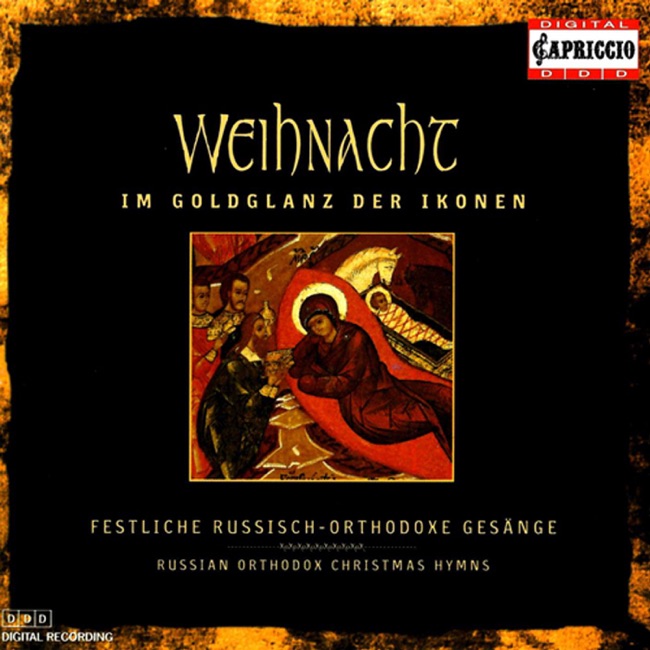 January 3, 2005
 -
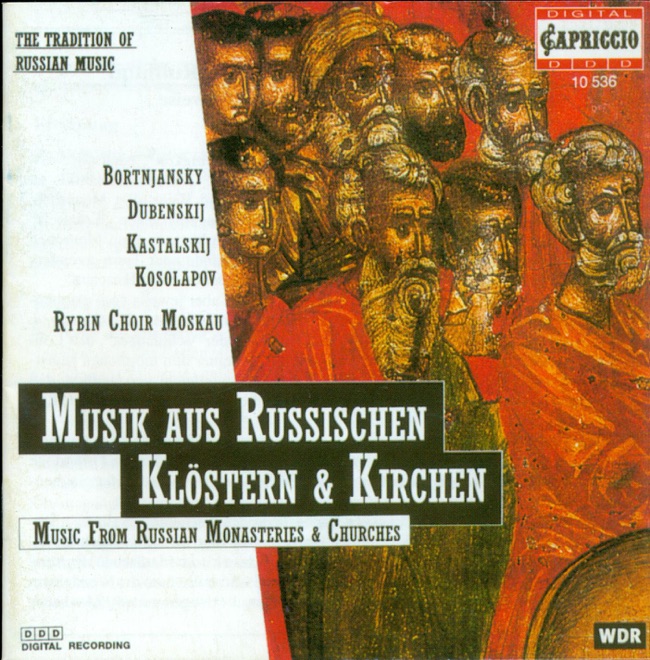 May 21, 1996
Artist Info
Role:ComposerGenre:ChoralStrokin was a classical music composer who was born on January 15, 1925, in Vienna, Austria. He was born into a family of musicians, and his father was a renowned violinist. Strokin showed an early interest in music and began playing the piano at the age of five. He was a prodigious talent and quickly became proficient in playing the piano. Strokin's family moved to Paris when he was ten years old, and he continued his musical education there. He studied under some of the most prominent music teachers of the time, including Nadia Boulanger and Olivier Messiaen. Strokin's talent was recognized early on, and he was awarded several scholarships to study music in Europe. Strokin's early compositions were heavily influenced by the music of the Romantic era, particularly the works of Chopin and Liszt. However, as he matured as a composer, he began to develop his own unique style. Strokin's music was characterized by its complex harmonies, intricate rhythms, and use of unconventional instruments. One of Strokin's most significant works was his Piano Concerto No. 1, which he composed in 1950. The concerto was premiered in Paris and was an instant success. It showcased Strokin's virtuosity as a pianist and his skill as a composer. The concerto was later performed by some of the world's most renowned pianists, including Vladimir Horowitz and Martha Argerich. Strokin's music was not limited to the classical genre. He also composed several film scores, including the soundtrack for the 1963 film "The Great Escape." The score was nominated for an Academy Award and is considered one of the greatest film scores of all time. Strokin's later works were more experimental and avant-garde. He began incorporating electronic instruments into his compositions and experimented with new forms of musical notation. His music became more abstract and challenging, and he was often criticized for being too esoteric. Despite the criticism, Strokin continued to push the boundaries of classical music. He composed several operas, including "The Tempest," which was based on the Shakespeare play of the same name. The opera was a critical success and was praised for its innovative use of electronic instruments. Strokin's final work was his Symphony No. 5, which he completed in 1990. The symphony was a culmination of his life's work and was considered one of his greatest achievements. It was performed by several orchestras around the world and was hailed as a masterpiece of modern classical music. Strokin died on December 5, 1995, at the age of 70. He left behind a legacy of groundbreaking music that continues to inspire and challenge musicians today. His contributions to the classical music world have been recognized with numerous awards and honors, including the prestigious Pulitzer Prize for Music. Strokin's music will continue to be celebrated for generations to come.More....
Recent Artist Music
2
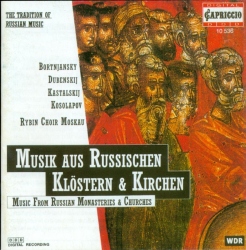
1:51
3
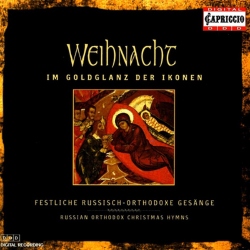
1:54
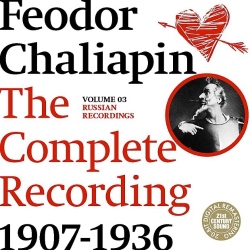
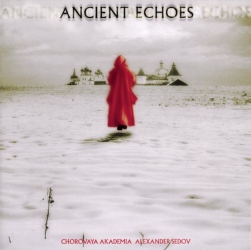
Copyright Ⓒ 2013 Davinci Finger. All rights reseved
Service Terms & Policy