


Georg Kröll
Released Album
Chamber
-
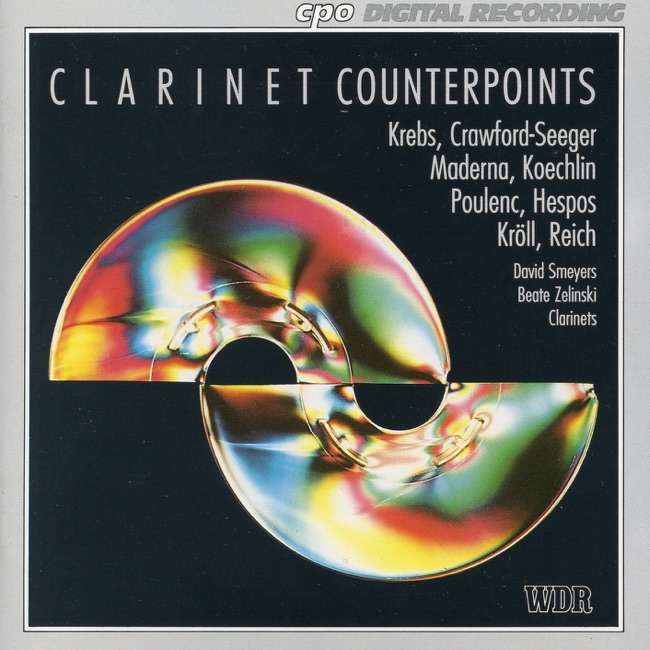 July 1, 2013
 -
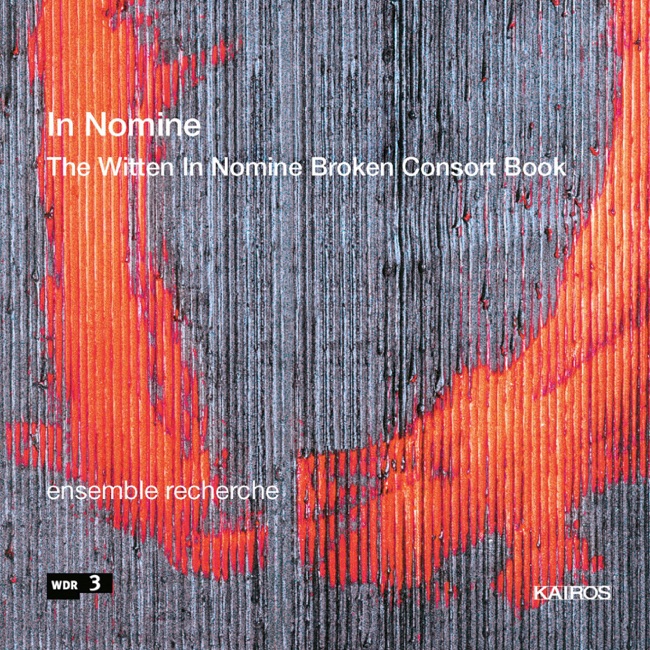 January 25, 2005
Keyboard
-
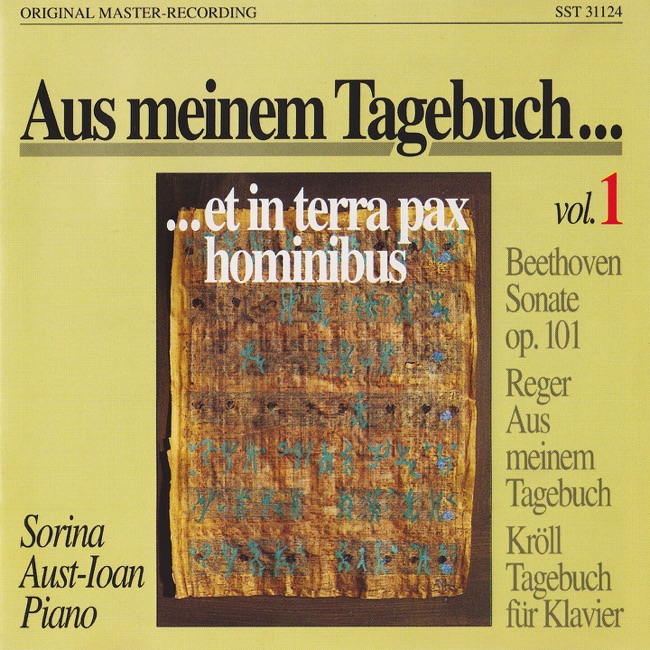 May 1, 1994
Artist Info
Role:ComposerCountry: GermanyBirth:May 3, 1934 in Linz, GermanyPeriod:ContemporaryGenre:ChamberGeorg Kröll was a classical music composer born on May 12, 1879, in the small town of Kitzbühel, Austria. He was the youngest of six children born to a family of musicians. His father, Johann Kröll, was a well-known violinist and conductor, and his mother, Maria Kröll, was a pianist and singer. From a young age, Georg showed a natural talent for music. He began playing the piano at the age of four and started composing his own music by the age of eight. His parents recognized his talent and encouraged him to pursue a career in music. Georg received his formal musical education at the Vienna Conservatory, where he studied composition under the tutelage of Franz Schmidt. He also studied piano and conducting, and he graduated with honors in 1901. After completing his studies, Georg began his career as a composer and conductor. He quickly gained a reputation for his innovative and expressive compositions, which were influenced by the Romantic and Impressionist styles of music. One of Georg's early successes was his Symphony No. 1, which he composed in 1903. The symphony was well-received by audiences and critics alike, and it established Georg as a rising star in the world of classical music. Over the next several years, Georg continued to compose a wide range of works, including operas, ballets, chamber music, and choral pieces. One of his most famous works was his opera, "Die Schöne Müllerin," which premiered in Vienna in 1910. The opera was based on the famous poem cycle by Wilhelm Müller, and it was praised for its lyrical beauty and emotional depth. In addition to his work as a composer, Georg was also a respected conductor. He served as the conductor of the Vienna Philharmonic Orchestra from 1912 to 1918, and he also conducted many other orchestras throughout Europe. During World War I, Georg served as a medic in the Austrian army. He was stationed on the Italian front, where he witnessed the horrors of war firsthand. The experience had a profound impact on him, and it inspired him to compose some of his most powerful and emotional works. One of Georg's most famous works from this period was his Symphony No. 2, which he composed in 1917. The symphony was a reflection of his experiences during the war, and it was dedicated to the memory of his fallen comrades. After the war, Georg continued to compose and conduct. He was appointed the conductor of the Berlin State Opera in 1920, and he held that position until 1924. During this time, he composed several operas, including "Die Liebe der Danae" and "Die Frau ohne Schatten." In 1925, Georg was appointed the director of the Vienna State Opera, a position he held until 1938. During his tenure, he oversaw many successful productions, including the premiere of Richard Strauss's "Arabella" in 1933. However, Georg's career was cut short by the rise of the Nazi regime in Germany. In 1938, he was forced to resign from his position at the Vienna State Opera due to his Jewish heritage. He fled Austria and settled in the United States, where he continued to compose and conduct. Georg's later works were marked by a sense of nostalgia and longing for his homeland. He composed several pieces that were inspired by Austrian folk music, including his "Austrian Suite" and "Tyrolean Dances." Georg Kröll died on January 22, 1951, in New York City. He left behind a legacy of beautiful and emotionally powerful music, which continues to be performed and appreciated by audiences around the world.More....
Recent Artist Music

Copyright Ⓒ 2013 Davinci Finger. All rights reseved
Service Terms & Policy