


Janice Giteck
Released Album
Keyboard
-
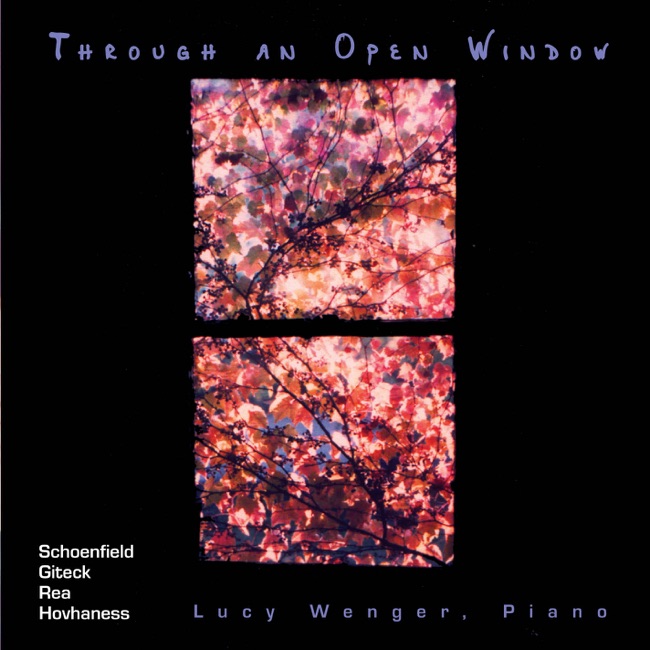 October 26, 2004
Chamber
-
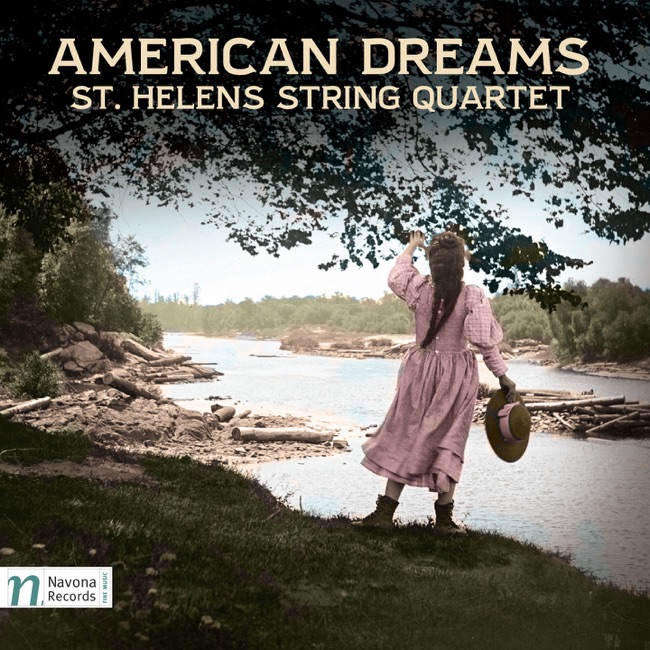 August 14, 2015
Artist Info
Role:ComposerCountry: United States of AmericaBirth:June 27, 1946 in New York City, NYGenre:ChamberVocalJanice Giteck is a renowned American composer of classical music, known for her unique style that blends traditional Western classical music with elements of world music and improvisation. Born on August 20, 1946, in New York City, Giteck grew up in a family of musicians and was exposed to music from an early age. Her father was a jazz pianist, and her mother was a singer and pianist. Giteck started playing the piano at the age of four and began composing music when she was a teenager. Giteck received her Bachelor of Music degree from the Manhattan School of Music in 1968 and her Master of Music degree from the Yale School of Music in 1970. She studied composition with some of the most prominent composers of the time, including Jacob Druckman, Earle Brown, and Morton Subotnick. During her studies, Giteck became interested in the music of non-Western cultures, particularly the music of India and Indonesia. She also became interested in improvisation and began incorporating it into her compositions. Giteck's early works were influenced by the avant-garde music of the 1960s and 1970s. Her compositions from this period were characterized by their use of unconventional instrumentation, extended techniques, and aleatoric elements. One of her most notable works from this period is "The Tongue is the Root of the Heart," a piece for voice, flute, and percussion that incorporates elements of Indian classical music. In the 1980s, Giteck's music began to incorporate more elements of world music and improvisation. She traveled to Indonesia and studied gamelan music, which had a profound influence on her work. She also began collaborating with musicians from other cultures, including the Japanese koto player Miya Masaoka and the Indian tabla player Zakir Hussain. One of her most famous works from this period is "Breathing Songs," a piece for voice, gamelan, and electronics that explores the relationship between breath and sound. In the 1990s, Giteck's music became more introspective and focused on the exploration of inner states of consciousness. She began incorporating elements of meditation and mindfulness into her compositions, and her works became more contemplative and meditative. One of her most famous works from this period is "The Nomad's Journey," a piece for voice, cello, and percussion that explores the themes of travel and transformation. Giteck's music has been performed by some of the most prominent ensembles and musicians in the world, including the Kronos Quartet, the Seattle Symphony, and the Bang on a Can All-Stars. She has received numerous awards and honors for her work, including a Guggenheim Fellowship, a Fulbright Fellowship, and a grant from the National Endowment for the Arts. In addition to her work as a composer, Giteck has also been a dedicated teacher and mentor to young composers. She has taught at several universities, including the University of Washington and the Cornish College of the Arts, and has served as a guest lecturer and artist-in-residence at numerous institutions around the world. Janice Giteck's music is characterized by its unique blend of Western classical music, world music, and improvisation. Her works explore a wide range of themes, from the exploration of inner states of consciousness to the themes of travel and transformation. Her music has had a profound influence on the contemporary classical music scene and has inspired countless composers and musicians around the world.More....
Recent Artist Music
Copyright Ⓒ 2013 Davinci Finger. All rights reseved
Service Terms & Policy