


Nikolay Nikolayevich Karetnikov
Artist Info
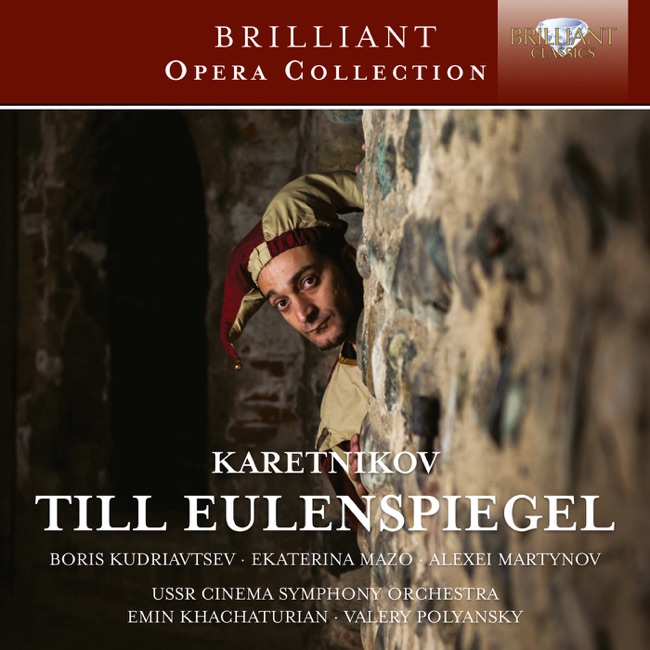
Role:ComposerBirth:June 28, 1930Nikolay Nikolayevich Karetnikov was a prominent Russian composer who was born on September 14, 1930, in Moscow. He was born into a family of musicians, and his father, Nikolay Petrovich Karetnikov, was a well-known composer and conductor. Karetnikov's mother, Maria Ivanovna Karetnikova, was a pianist and music teacher. Growing up in a musical family, Karetnikov was exposed to music from a young age and began studying piano and composition at the Moscow Conservatory at the age of 16. Karetnikov's early compositions were influenced by the works of Dmitri Shostakovich, Sergei Prokofiev, and Igor Stravinsky. He was also influenced by the music of the Second Viennese School, particularly the works of Arnold Schoenberg and Alban Berg. Karetnikov's early works were characterized by their complex harmonies, dissonant textures, and unconventional forms. In 1954, Karetnikov graduated from the Moscow Conservatory with a degree in composition. He went on to work as a composer and music teacher, and his works began to gain recognition in the Soviet Union. In 1962, Karetnikov was awarded the State Prize of the USSR for his opera "Until the Last Curtain Falls," which was based on the life of the Russian poet Vladimir Mayakovsky. Throughout the 1960s and 1970s, Karetnikov continued to compose operas, ballets, and orchestral works. His works were often politically charged and dealt with themes of social justice and the struggle of the working class. Karetnikov's opera "The Mystery of the Dead Souls" (1976) was based on the novel by Nikolai Gogol and was a critique of the Soviet system. In the 1980s, Karetnikov's works began to gain recognition outside of the Soviet Union. His opera "Till Eulenspiegel" (1983) was premiered in West Germany and was well-received by audiences and critics alike. Karetnikov's music was praised for its originality and its ability to blend traditional Russian folk music with modernist techniques. Karetnikov's later works were characterized by a more tonal and accessible style. He continued to compose operas, ballets, and orchestral works, but his later works were more focused on melody and harmony than on complex textures and forms. Karetnikov's opera "The Storm" (1998) was based on the play by Alexander Ostrovsky and was one of his most successful works. Karetnikov was also a respected music educator and taught composition at the Moscow Conservatory for many years. He was a member of the Union of Soviet Composers and was awarded numerous honors and awards throughout his career. Karetnikov died on October 10, 1994, in Moscow, leaving behind a legacy of innovative and politically charged music.More....
Copyright Ⓒ 2013 Davinci Finger. All rights reseved
Service Terms & Policy