


Bernhard Romberg
Released Album
Chamber
-
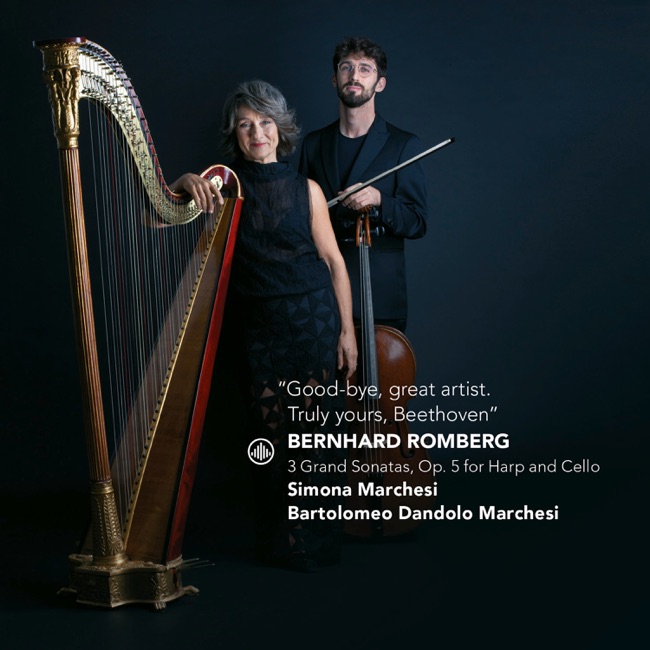
-
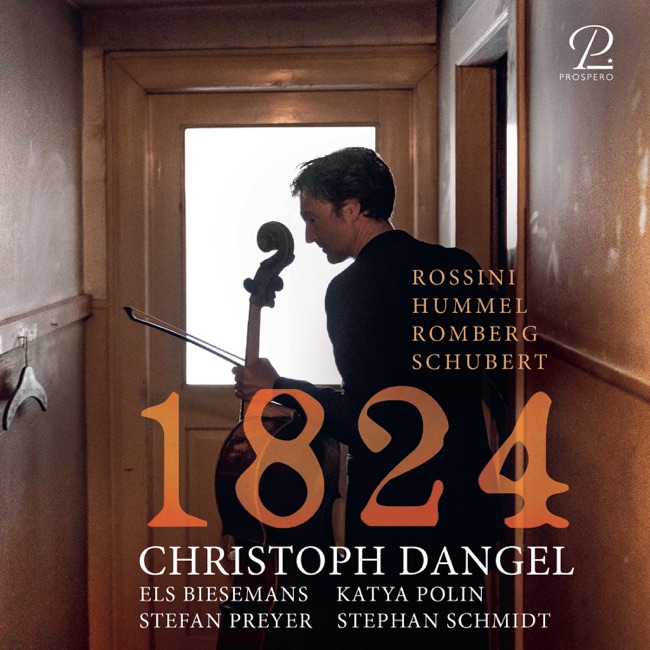 March 4, 2022
 -
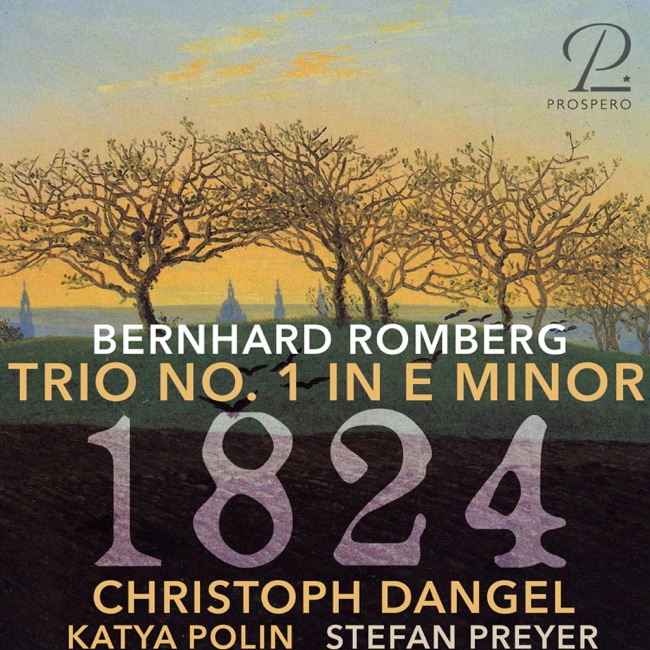 December 17, 2021
 -
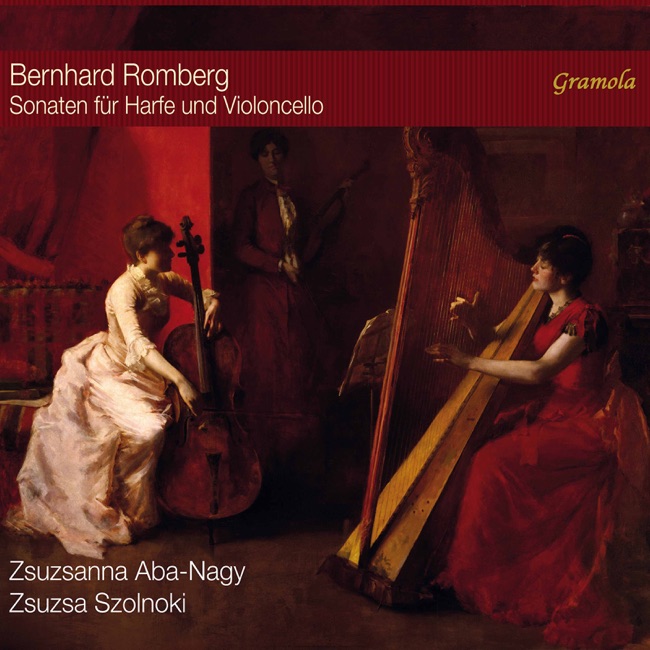 August 7, 2020
 -
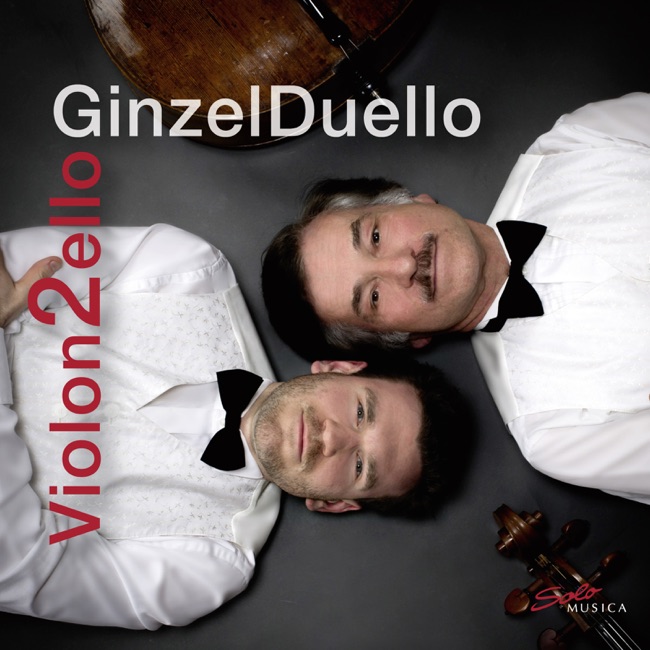 January 12, 2018
 -
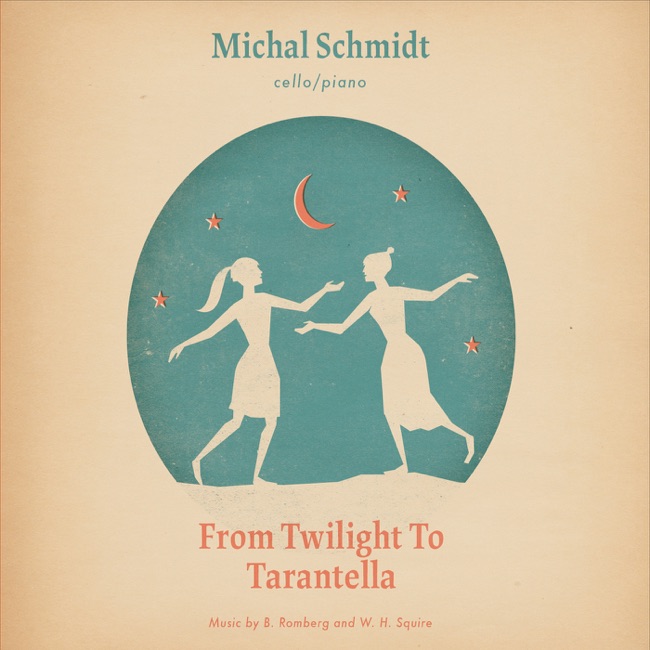 April 25, 2015
Concerto
-
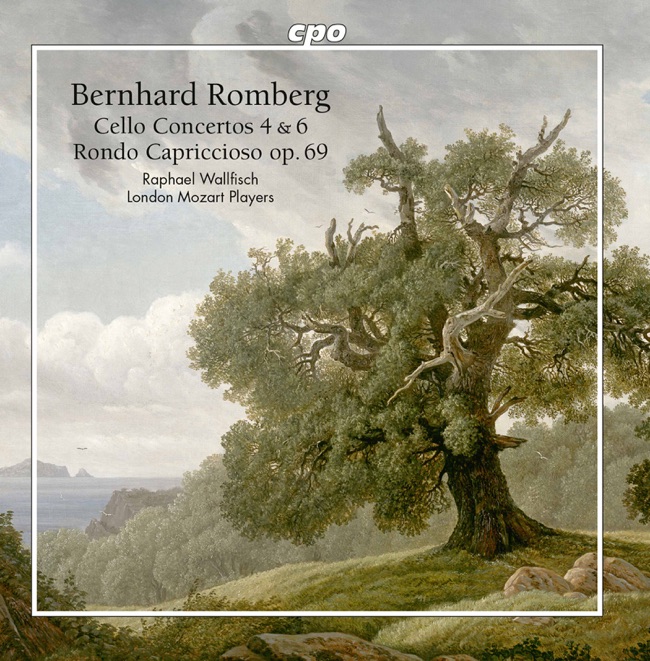 January 14, 2022
 -
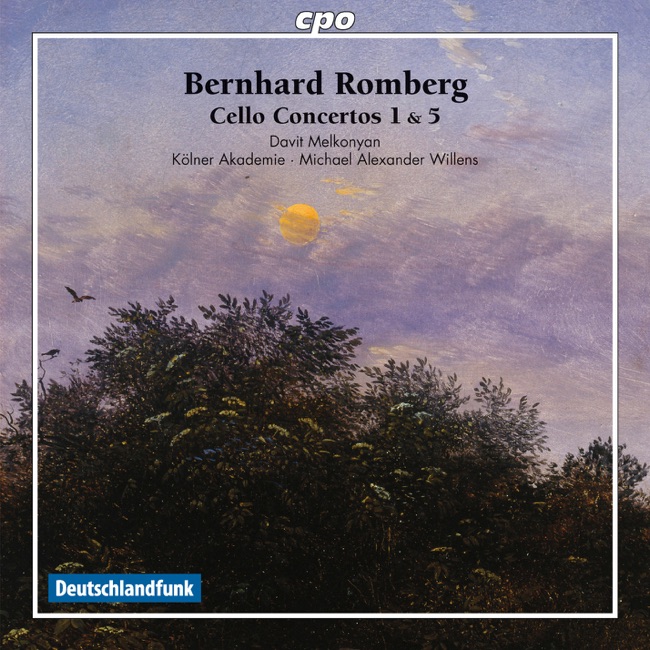 March 11, 2016
 -
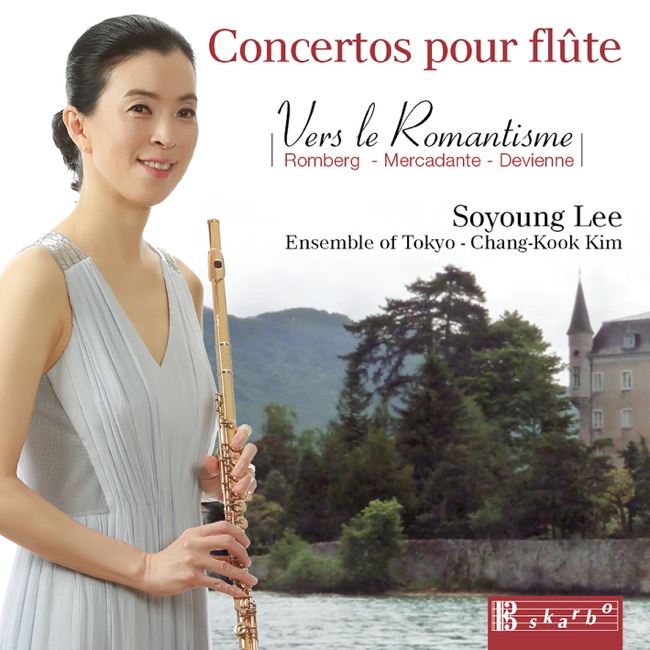 November 13, 2015
Artist Info
Role:ComposerCountry: GermanyBirth:November 11, 1767Death:August 13, 1841Period:RomanticGenre:ChamberConcertoOrchestralBernhard Romberg was a German cellist and composer who lived from 1767 to 1841. He was born in Dinklage, a small town in Lower Saxony, Germany, on November 13, 1767. His father, Andreas Romberg, was a violinist and composer, and his mother, Maria Theresia Romberg, was a singer. Bernhard was the youngest of their three children, and he showed an early talent for music. At the age of six, Bernhard began to study the cello with his father. He quickly became proficient on the instrument, and by the age of ten, he was performing in public. In 1781, when he was fourteen years old, he joined the court orchestra in Münster, where his father was the concertmaster. He remained in Münster for six years, during which time he continued to develop his skills as a cellist and began to compose music. In 1787, Romberg left Münster and began to travel throughout Europe as a soloist. He performed in cities such as Paris, London, and Vienna, and he quickly gained a reputation as one of the finest cellists of his time. He also continued to compose music, and his works were well-received by audiences and critics alike. In 1790, Romberg settled in Hamburg, where he became the principal cellist of the Hamburg Opera Orchestra. He remained in Hamburg for the rest of his life, and he became an important figure in the city's musical community. He performed regularly as a soloist and chamber musician, and he also taught cello and composition. Romberg's compositions include works for cello, chamber music, and orchestral music. His cello concertos are particularly notable, and they are still performed today. He also wrote a number of string quartets, sonatas, and other chamber works, as well as several symphonies and overtures. One of Romberg's most famous works is his Cello Sonata No. 1 in C Major, Op. 43. This sonata, which was composed in 1808, is a virtuosic showcase for the cello, and it is still frequently performed today. Another notable work is his Symphony No. 1 in B-flat Major, Op. 28, which was composed in 1802. This symphony is a fine example of the classical style, and it features elegant melodies and well-crafted orchestration. Romberg was also known for his arrangements of other composers' works. He arranged a number of Mozart's piano concertos for cello and orchestra, as well as several of Beethoven's string quartets. These arrangements were popular in their time, and they helped to establish Romberg's reputation as a skilled composer and arranger. In addition to his musical activities, Romberg was also involved in the cultural life of Hamburg. He was a member of the city's Masonic lodge, and he was active in the local theater scene. He also wrote poetry and was interested in philosophy and literature. Romberg died in Hamburg on August 13, 1841, at the age of 73. He was buried in the city's Ohlsdorf Cemetery, and his grave can still be visited today. He left behind a legacy of fine music, and his works continue to be performed and enjoyed by musicians and audiences around the world.More....
Recent Artist Music
6
6:21
7
14:18
12
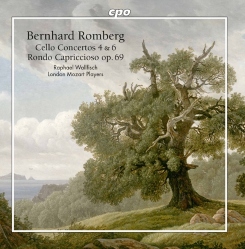
Rondo Capriccioso in F major, Op. 69
Rondo Capriccioso Op. 69 in F major for Violoncello & String Quartet
12:4
Copyright Ⓒ 2013 Davinci Finger. All rights reseved
Service Terms & Policy