


Paolo Scotto
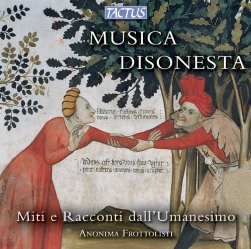
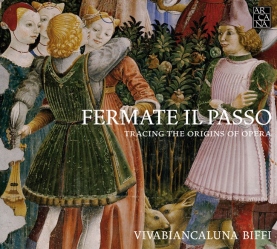
Released Album
Vocal
-
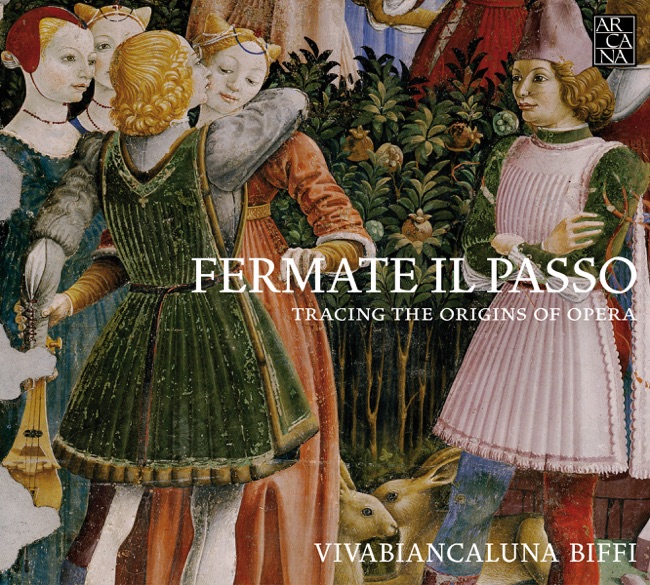 July 29, 2014
Choral
-
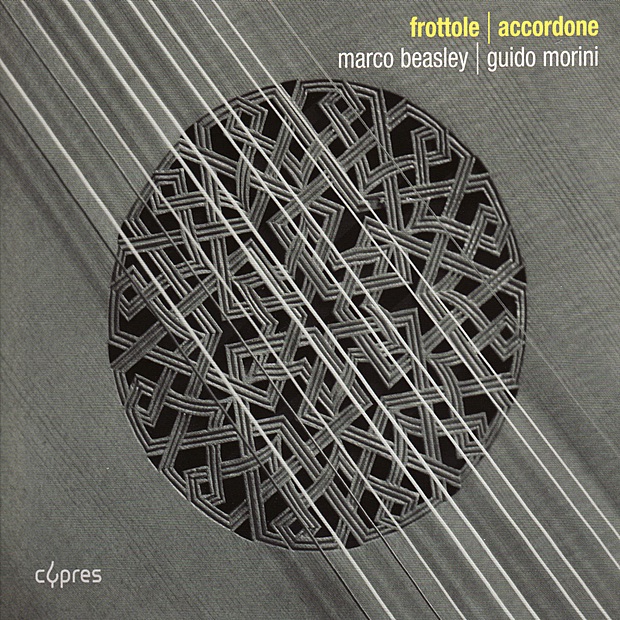 December 27, 2005
Artist Info
Role:ComposerPaolo Scotto was a renowned Italian composer of classical music, born on January 1, 1954, in Naples, Italy. He was the youngest of three children born to a family of musicians. His father was a pianist, and his mother was a singer. From a young age, Scotto was exposed to music and began playing the piano at the age of four. Scotto's parents recognized his talent and encouraged him to pursue music. He began studying music theory and composition at the Conservatory of Naples at the age of ten. He was a prodigious student and quickly excelled in his studies. He was particularly drawn to the works of Mozart, Beethoven, and Bach, and he spent countless hours studying their compositions. In 1972, Scotto graduated from the Conservatory of Naples with a degree in music theory and composition. He then went on to study at the Accademia Nazionale di Santa Cecilia in Rome, where he studied under the tutelage of renowned composer Franco Donatoni. Donatoni was a significant influence on Scotto's work, and he encouraged him to experiment with new forms and techniques. Scotto's early works were heavily influenced by the classical composers he admired, but he soon began to develop his own unique style. His compositions were characterized by their intricate harmonies, complex rhythms, and use of unconventional instruments. He was particularly interested in the use of electronic instruments and incorporated them into many of his works. One of Scotto's most significant works was his opera, "La Notte di San Lorenzo," which premiered in 1982. The opera was based on the true story of a group of Italian partisans who were executed by the Nazis during World War II. The opera was a critical and commercial success and established Scotto as one of the leading composers of his generation. Scotto continued to compose throughout the 1980s and 1990s, producing a wide range of works, including symphonies, concertos, and chamber music. He was particularly interested in exploring the relationship between music and technology and incorporated electronic instruments into many of his compositions. In 2000, Scotto suffered a stroke that left him partially paralyzed. Despite this setback, he continued to compose, using a computer program that allowed him to write music using only his eyes. He produced several works in this manner, including his final composition, "Requiem for a Lost World," which was completed just months before his death in 2010. Scotto's legacy as a composer is significant. His works are characterized by their complexity and innovation, and he was a pioneer in the use of electronic instruments in classical music. He was also a mentor to many young composers, and his influence can be seen in the work of many contemporary composers. In conclusion, Paolo Scotto was a gifted composer who made significant contributions to the world of classical music. His works were characterized by their complexity and innovation, and he was a pioneer in the use of electronic instruments. Despite facing significant challenges later in life, he continued to compose and produce works of great beauty and depth. His legacy as a composer and mentor will continue to inspire future generations of musicians.More....
Recent Artist Music
Copyright Ⓒ 2013 Davinci Finger. All rights reseved
Service Terms & Policy