


Juan Ginés Pérez
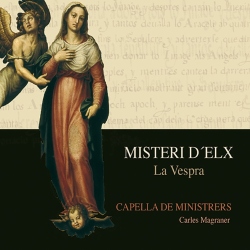
Released Album
Vocal
-
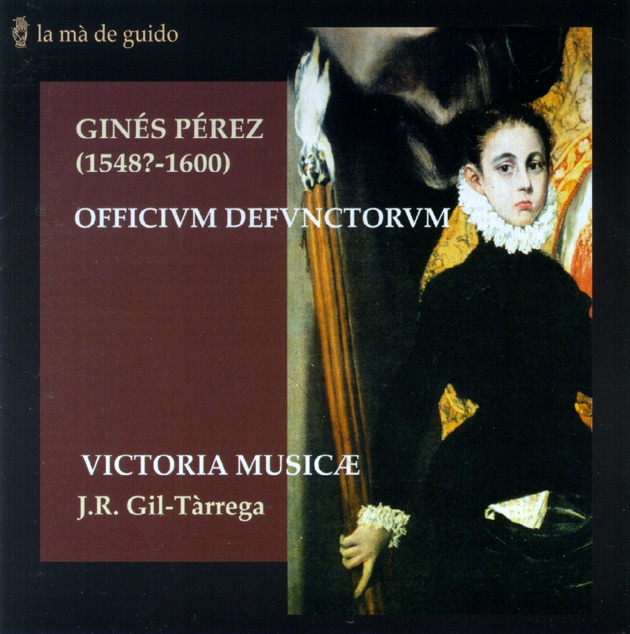 November 4, 2003
Miscellaneous
-
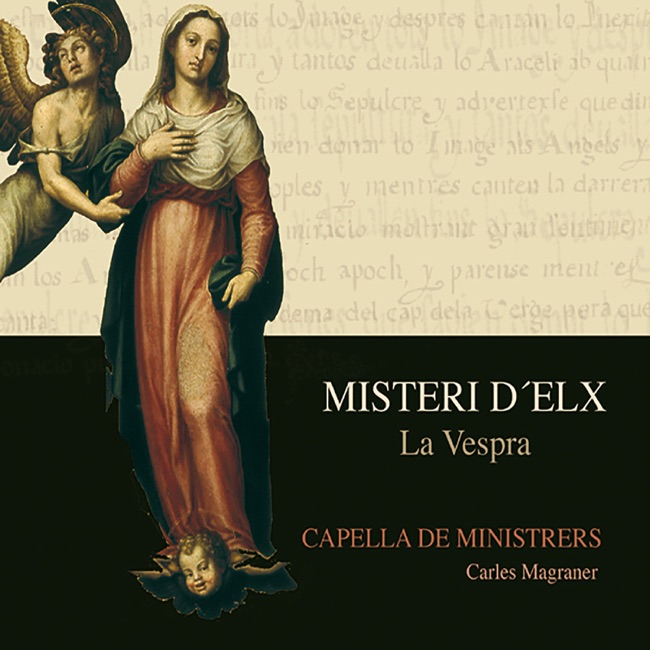 October 28, 2003
Artist Info
Role:ComposerGenre:ChoralVocalJuan Ginés Pérez was a Spanish composer of the Baroque era, born in 1629 in the city of Lorca, located in the region of Murcia. He was the son of a musician, and his father was his first teacher in music. At a young age, he showed a great talent for music, and he quickly became a skilled performer on the organ and the harpsichord. Pérez's musical education continued in the city of Valencia, where he studied with the renowned composer and organist Juan Bautista Comes. Under Comes's guidance, Pérez developed his skills as a composer, and he began to write his own music. He also became a skilled performer on the guitar, which would later become an important instrument in his compositions. In 1650, Pérez moved to Madrid, where he became a musician in the court of King Philip IV. He quickly gained a reputation as a talented composer and performer, and he was soon appointed as the court's official composer. In this role, he composed music for various royal events, including weddings, funerals, and religious ceremonies. Pérez's music was heavily influenced by the Baroque style, which was characterized by its ornate melodies, complex harmonies, and elaborate ornamentation. His compositions were also influenced by the music of his native region of Murcia, which was known for its lively and rhythmic folk music. One of Pérez's most famous works is his "Tonadillas," a collection of songs that he composed for the actress and singer María Ladvenant. The "Tonadillas" were a popular form of Spanish music in the 17th century, and Pérez's compositions were some of the most famous of the genre. The songs were written in a simple, catchy style, with lively rhythms and memorable melodies. Another notable work by Pérez is his "Villancicos," a collection of Christmas carols that he composed for the court of King Philip IV. The "Villancicos" were written in a more complex style than the "Tonadillas," with intricate harmonies and elaborate counterpoint. The carols were performed by the court's choir, and they became a popular part of the Christmas celebrations in Spain. Pérez's music was also influenced by his Catholic faith, and he composed many religious works throughout his career. One of his most famous religious compositions is his "Miserere," a setting of the Psalm 51 that was performed during Holy Week. The "Miserere" was written in a solemn and contemplative style, with rich harmonies and expressive melodies. Despite his success as a composer, Pérez's life was not without its challenges. In 1665, he was accused of embezzlement and was imprisoned for several months. Although he was eventually released, the experience had a profound impact on him, and he became more introspective and spiritual in his music. Pérez continued to compose music until his death in 1679. His legacy as a composer has endured, and his music is still performed and studied today. His works are considered to be some of the finest examples of Baroque music from Spain, and they continue to inspire musicians and audiences around the world.More....
Recent Artist Music
Copyright Ⓒ 2013 Davinci Finger. All rights reseved
Service Terms & Policy