


Paul Graener
Released Album
Orchestral
-
 March 10, 2015
 -
 January 28, 2014
 -
 April 24, 2012
 -
Concerto
-
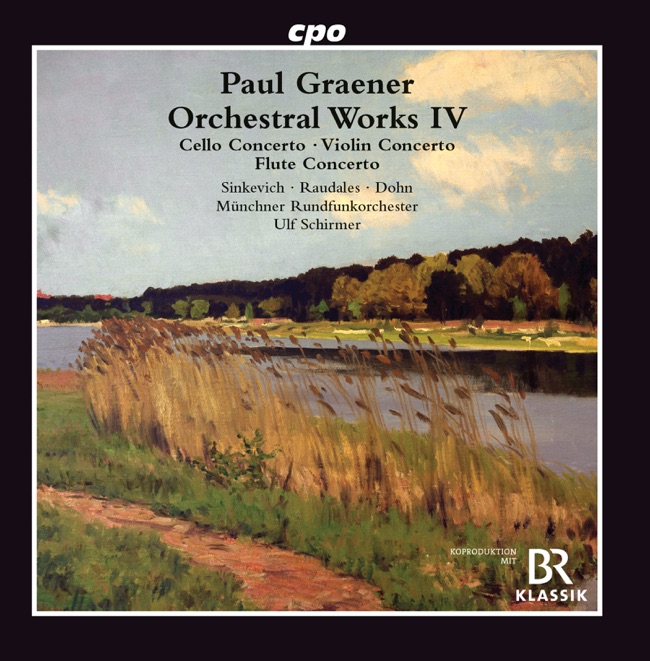 March 15, 2019
Vocal
Artist Info
Role:ComposerBirth:January 11, 1872 in Berlin, GermanyDeath:November 13, 1944 in Salzburg, AustriaPeriod:ModernPaul Graener was a German composer and conductor who was born on January 11, 1872, in Berlin. He was the son of a composer and music teacher, and his father recognized his musical talent at an early age. Graener began his musical education at the Berlin Hochschule für Musik, where he studied composition with Friedrich Kiel and piano with Ernst Rudorff. After completing his studies, Graener worked as a conductor and composer in various German cities, including Bremen, Königsberg, and Berlin. He also spent time in England, where he conducted the London Philharmonic Orchestra and the Royal Philharmonic Orchestra. In 1920, he was appointed the director of the Berlin Hochschule für Musik, a position he held until 1933. Graener's music was influenced by a variety of styles, including Romanticism, Impressionism, and Expressionism. He was particularly interested in the music of Richard Wagner and Gustav Mahler, and his own compositions often featured lush harmonies and sweeping melodies. One of Graener's most famous works is his Symphony No. 1, which was premiered in 1902. The symphony is a large-scale work that features four movements, each of which explores a different mood and musical idea. The first movement is a dramatic and intense introduction, while the second movement is a lyrical and expressive adagio. The third movement is a lively scherzo, and the final movement is a triumphant and energetic finale. Another notable work by Graener is his opera Hanneles Himmelfahrt, which was premiered in 1905. The opera is based on a play by Gerhart Hauptmann and tells the story of a young girl who dies and goes to heaven. The music is lush and expressive, with soaring melodies and rich harmonies. In addition to his symphonies and operas, Graener also wrote a number of chamber works, including string quartets, piano trios, and sonatas. One of his most famous chamber works is his String Quartet No. 1, which was premiered in 1907. The quartet is a complex and intricate work that features a variety of musical ideas and textures. Graener's music was well-received during his lifetime, and he was recognized as one of the leading composers of his generation. He was awarded the Pour le Mérite, one of Germany's highest honors, in 1928, and he was also a member of the Prussian Academy of Arts. Despite his success, Graener's career was interrupted by the rise of the Nazi party in Germany. As a Jew, he was forced to resign from his position at the Berlin Hochschule für Musik in 1933, and he was eventually forced to flee the country. He spent the rest of his life in England, where he continued to compose and conduct. Graener died on May 13, 1944, in London. His music has continued to be performed and recorded, and he is remembered as one of the most important composers of the early 20th century.More....
Recent Artist Music
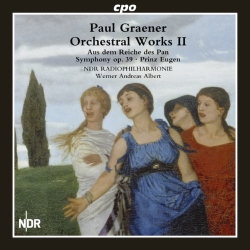
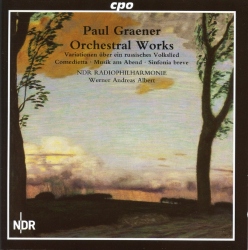
5
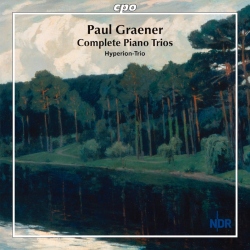
Theodor Storm Music Trio & Baritones, Op. 93
Theodor-Storm-Musik, Op. 93, for Piano Trio & Baritone
12:55
Copyright Ⓒ 2013 Davinci Finger. All rights reseved
Service Terms & Policy