


Steven Gellman
Released Album
Keyboard
-
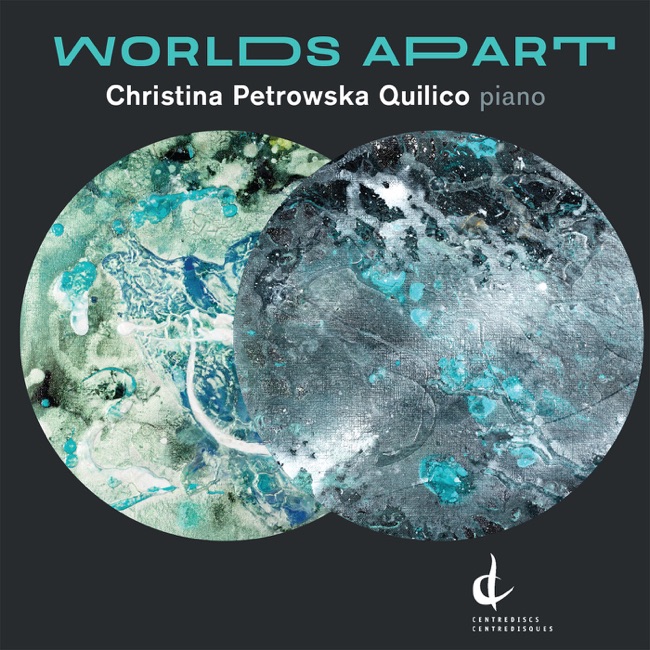 March 3, 2017
Chamber
-
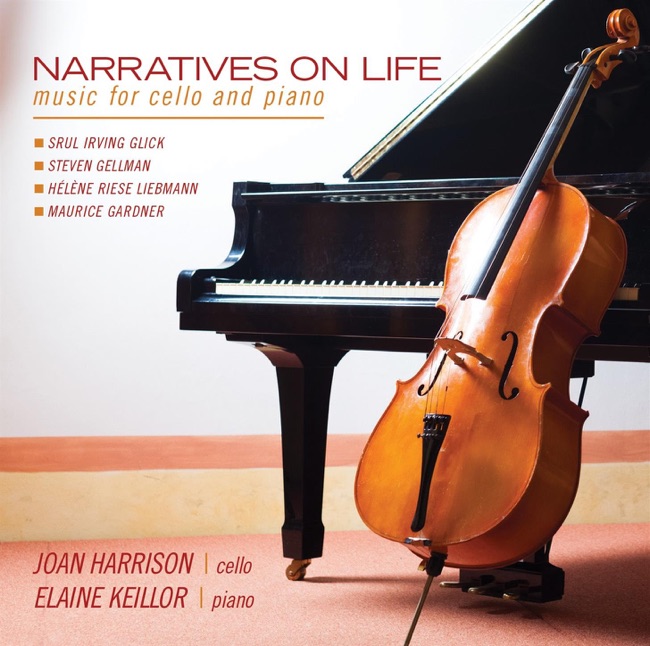 February 26, 2016
Artist Info
Role:ComposerSteven Gellman was born on May 12, 1956, in New York City. He grew up in a family of musicians, with his father being a professional pianist and his mother a singer. From a young age, Gellman showed a natural talent for music and began playing the piano at the age of four. Gellman's parents recognized his musical abilities and encouraged him to pursue a career in music. He began taking piano lessons and quickly progressed, showing a particular interest in classical music. Gellman's parents also exposed him to a wide range of musical genres, including jazz, rock, and folk music, which would later influence his compositions. In his teenage years, Gellman began composing his own music and experimenting with different styles. He attended the High School of Music and Art in New York City, where he studied composition and piano. After graduating, Gellman went on to study at the Manhattan School of Music, where he earned a Bachelor of Music degree in composition. Gellman's early compositions were heavily influenced by the classical music of the Romantic era, particularly the works of Chopin and Liszt. However, he also drew inspiration from contemporary composers such as Philip Glass and Steve Reich, as well as jazz musicians like Thelonious Monk and Bill Evans. One of Gellman's early works, "Piano Sonata No. 1," was premiered at the Manhattan School of Music in 1978. The piece showcased Gellman's technical prowess on the piano and his ability to blend classical and jazz elements in his compositions. In the 1980s, Gellman began to gain recognition as a composer, with several of his works being performed by orchestras and ensembles across the United States. One of his most notable works from this period was "Concerto for Piano and Orchestra," which was premiered by the New York Philharmonic in 1985. The piece was praised for its intricate harmonies and virtuosic piano writing. Throughout the 1990s and 2000s, Gellman continued to compose prolifically, producing works for a variety of ensembles and solo instruments. He also began to incorporate electronic elements into his compositions, using synthesizers and computer software to create new sounds and textures. One of Gellman's most ambitious works from this period was "Symphony No. 1," which was premiered by the Boston Symphony Orchestra in 1998. The piece was a sprawling, multi-movement work that showcased Gellman's ability to blend classical and electronic elements in a cohesive and innovative way. In addition to his work as a composer, Gellman was also a respected music educator. He taught composition and piano at several universities, including the University of Michigan and the Juilliard School. Many of his students went on to become successful composers and performers in their own right. Gellman's later works continued to push the boundaries of classical music, incorporating elements of rock, pop, and world music into his compositions. One of his final works, "Concerto for Electric Guitar and Orchestra," was premiered in 2015 and featured the virtuosic guitar playing of Steve Vai. Steven Gellman passed away on June 15, 2017, at the age of 61. He left behind a legacy as a pioneering composer who pushed the boundaries of classical music and inspired generations of musicians to come.More....
Recent Artist Music
Copyright Ⓒ 2013 Davinci Finger. All rights reseved
Service Terms & Policy