


Leo Ornstein
Released Album
Keyboard
-
 July 9, 2021
 -
 November 2, 2018
 -
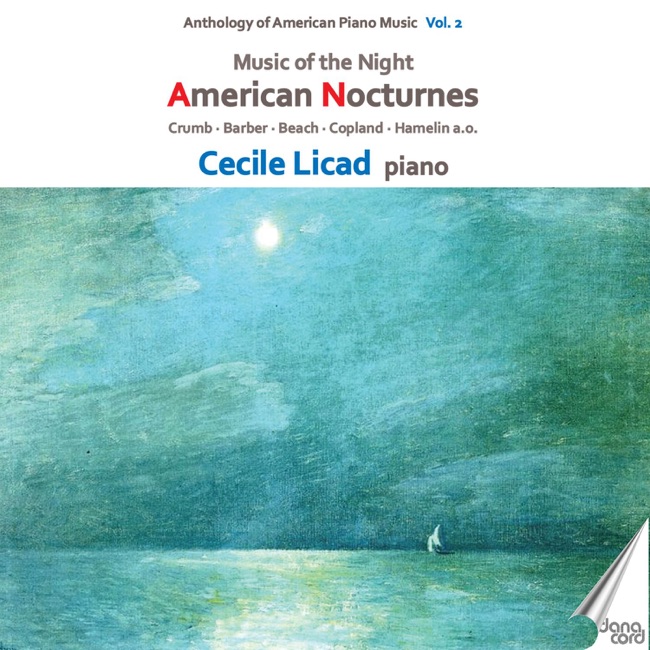 July 21, 2017
 -
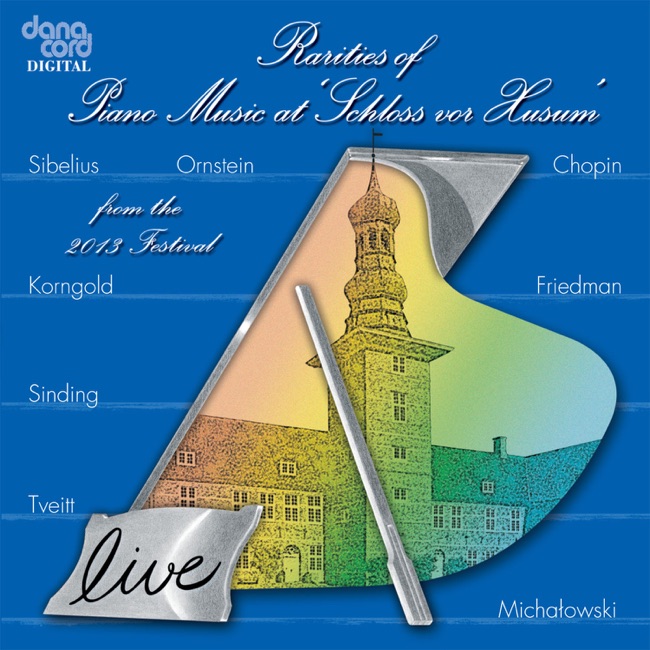
-
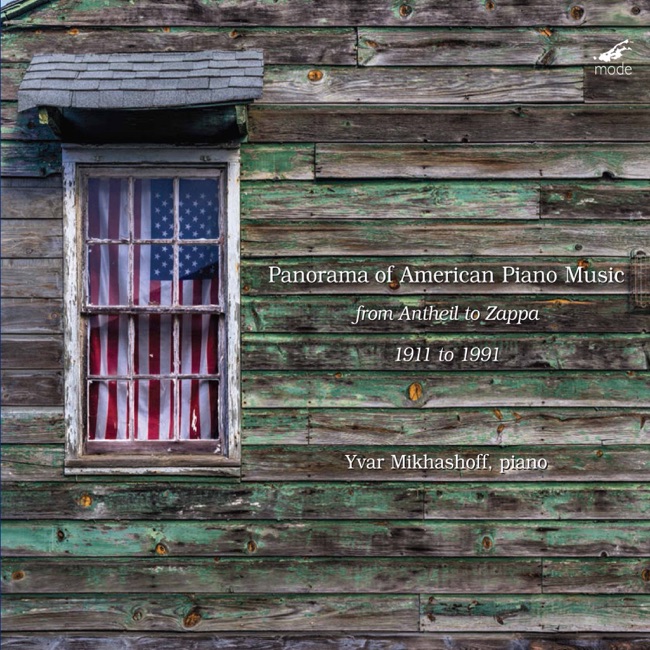 November 19, 2013
 -
 July 1, 2013
Chamber
-

-
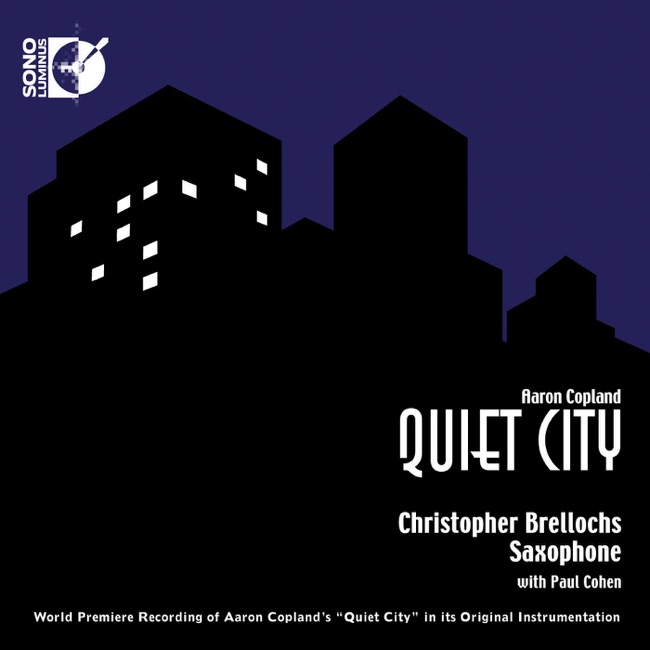 June 28, 2011
 -
 November 15, 2010
 -
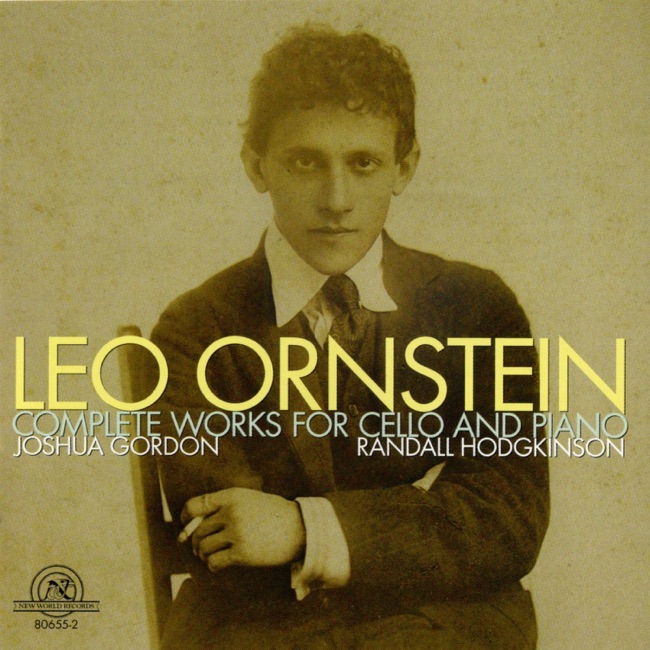 January 2, 2007
 -
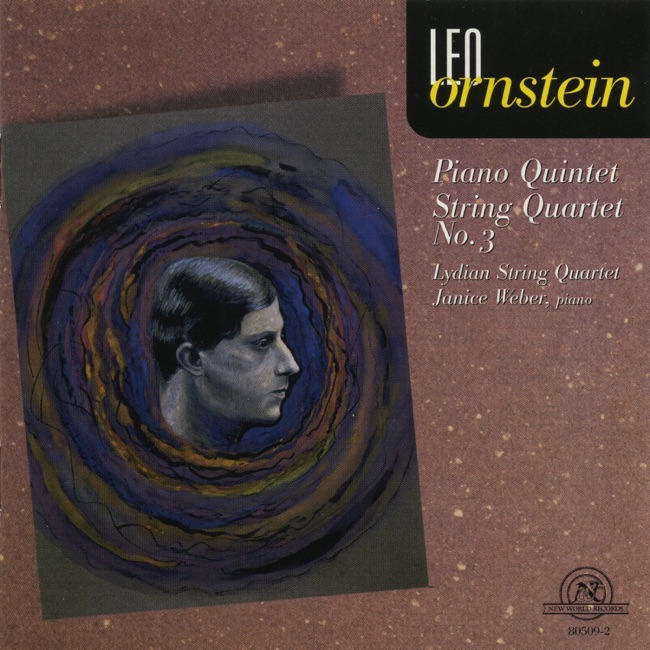 May 20, 1997
 -
 October 20, 1995
Artist Info
Role:ComposerBirth:December 2, 1893 in Kremenchuk, UkraineDeath:February 24, 2002 in Green Bay, WIGenre:ChamberKeyboardLeo Ornstein was a Russian-born American composer and pianist who was known for his innovative and avant-garde approach to classical music. He was born on December 2, 1893, in Kremenchuk, Ukraine, to a Jewish family. His father was a cantor and his mother was a pianist, which exposed Ornstein to music at a young age. Ornstein's family moved to the United States when he was still a child, settling in New York City. He began studying piano at the age of six and showed exceptional talent, performing his first public recital at the age of eight. He continued his studies at the Institute of Musical Art (now known as the Juilliard School) and later at the New York College of Music. In 1911, Ornstein made his debut as a pianist at Carnegie Hall, performing works by Beethoven, Chopin, and Liszt. He quickly gained a reputation as a virtuoso pianist, known for his technical skill and expressive playing. However, Ornstein was also interested in composition and began to experiment with new and unconventional techniques. In 1914, Ornstein composed his first major work, a piano sonata that was unlike anything that had been heard before. The piece was characterized by its dissonant harmonies, complex rhythms, and unconventional use of the piano's range and timbre. Ornstein's music was a departure from the traditional classical style, and it was met with both admiration and controversy. Over the next few years, Ornstein continued to compose and perform, gaining a following among avant-garde artists and musicians. He became associated with the "ultra-modernist" movement, which sought to push the boundaries of classical music and explore new forms of expression. In 1918, Ornstein composed his most famous work, the "Wild Men's Dance" from his ballet "The Three Fates." The piece was a frenzied and chaotic depiction of a pagan ritual, featuring pounding rhythms and dissonant harmonies. It was a sensation when it premiered in New York City, and it cemented Ornstein's reputation as a daring and innovative composer. Throughout the 1920s, Ornstein continued to compose and perform, but his music became increasingly experimental and challenging. He began to incorporate elements of jazz and popular music into his compositions, and he experimented with new forms of notation and improvisation. However, Ornstein's music was not always well-received. Some critics dismissed his work as "noise" or "cacophony," and he struggled to find an audience for his more challenging pieces. In the 1930s, he began to withdraw from the public eye, focusing more on teaching and composing for himself. Ornstein's music fell out of favor in the mid-20th century, as the classical music world turned towards more traditional and conservative styles. However, in the 1970s, there was a renewed interest in Ornstein's work, and he began to receive more recognition for his contributions to modern classical music. Ornstein continued to compose and perform well into his 90s, and he remained active in the classical music world until his death in 2002 at the age of 108. His legacy as a pioneering and innovative composer continues to inspire musicians and audiences today.More....
Recent Artist Music

4

5:24





Copyright Ⓒ 2013 Davinci Finger. All rights reseved
Service Terms & Policy