


Vincente Arregui
Released Album
Chamber
-
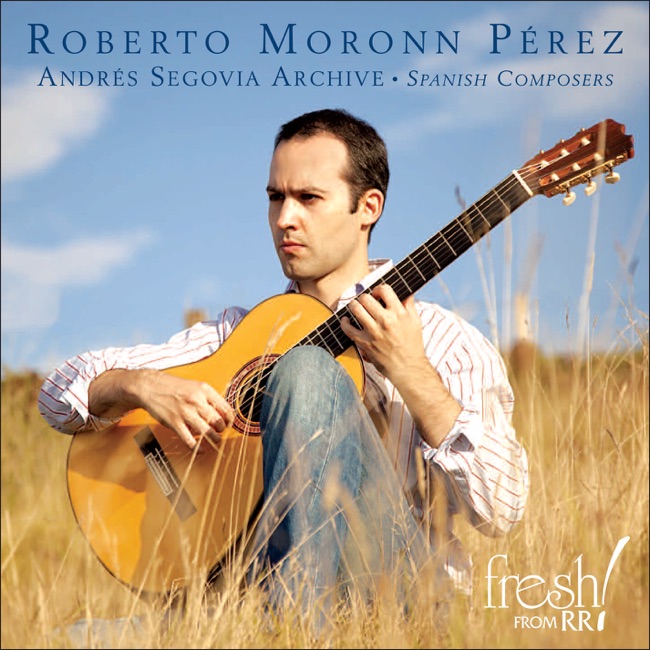 May 14, 2013
 -
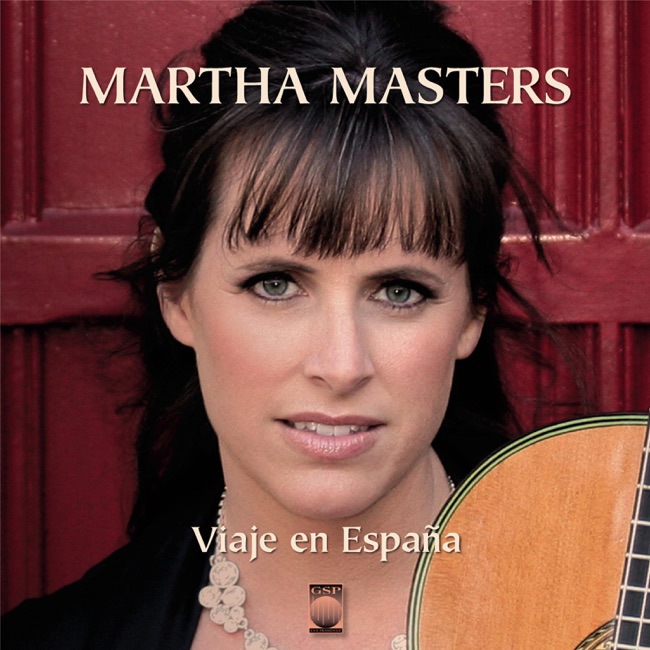 August 18, 2009
Artist Info
Role:ComposerBirth:1871Death:1925Vincente Arregui was a Spanish composer born on January 22, 1897, in the city of Bilbao. He was the youngest of four siblings and grew up in a family that was passionate about music. His father was a music teacher, and his mother was a pianist. Arregui's parents recognized his musical talent at an early age and encouraged him to pursue a career in music. Arregui began his musical education at the age of six, studying piano and music theory with his mother. He showed exceptional talent and quickly progressed, winning his first piano competition at the age of nine. At the age of twelve, he began studying composition with the renowned Spanish composer Joaquín Rodrigo. In 1914, Arregui moved to Madrid to continue his musical studies at the Royal Conservatory of Music. He studied piano with José Tragó and composition with Conrado del Campo. During this time, he also began to perform as a pianist, giving concerts throughout Spain. In 1920, Arregui moved to Paris to study with the famous French composer Maurice Ravel. Ravel was impressed with Arregui's talent and took him under his wing, teaching him composition and introducing him to the Parisian music scene. Arregui quickly became a part of the vibrant artistic community in Paris, and his music began to gain recognition. Arregui's early works were heavily influenced by the French impressionist style, particularly the music of Ravel and Debussy. His compositions were characterized by their lush harmonies, delicate textures, and evocative melodies. Some of his most notable early works include his Piano Sonata No. 1, his String Quartet No. 1, and his orchestral suite "Impressions of Spain." In the 1930s, Arregui's music began to evolve, reflecting his growing interest in Spanish folk music and his desire to create a distinctively Spanish style of classical music. He began incorporating elements of flamenco, regional folk music, and traditional Spanish rhythms into his compositions. Some of his most famous works from this period include his "Suite Española," his "Concierto de Aranjuez" for guitar and orchestra, and his ballet "El Amor Brujo." Arregui's music was well-received both in Spain and abroad, and he became one of the most prominent Spanish composers of the 20th century. His music was performed by some of the most famous orchestras and soloists of the time, including the New York Philharmonic, the Berlin Philharmonic, and the Spanish guitarist Andrés Segovia. Despite his success, Arregui remained humble and dedicated to his craft. He continued to compose throughout his life, producing a wide range of works in various genres, including chamber music, orchestral music, and opera. Some of his later works, such as his "Concerto for Harp and Orchestra" and his "Symphony No. 3," reflect his continued experimentation with new sounds and techniques. Arregui died on December 9, 1968, in Madrid, at the age of 71. He left behind a rich legacy of music that continues to be performed and admired today. His contributions to Spanish classical music are significant, and his influence can be heard in the works of many contemporary Spanish composers.More....
Recent Artist Music
Copyright Ⓒ 2013 Davinci Finger. All rights reseved
Service Terms & Policy