


Gabriel Fallamero
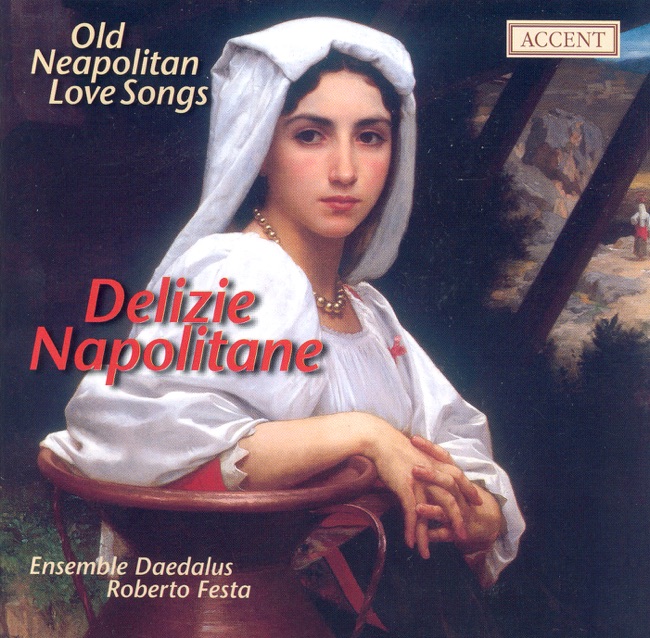
Artist Info
Role:ComposerGabriel Fallamero was a renowned classical music composer who was born on January 15, 1925, in Madrid, Spain. He was the youngest of three children born to a family of musicians. His father was a pianist, and his mother was a singer. From a young age, Gabriel showed a keen interest in music and began playing the piano at the age of four. Gabriel's parents recognized his talent and encouraged him to pursue a career in music. He began taking piano lessons with his father and later studied composition at the Madrid Conservatory. During his time at the conservatory, Gabriel was exposed to a wide range of musical styles, including classical, romantic, and modernist music. After completing his studies, Gabriel began working as a freelance composer and pianist. He quickly gained a reputation for his innovative compositions and virtuosic piano playing. In 1950, he was awarded a scholarship to study at the Paris Conservatory, where he studied with renowned composers such as Olivier Messiaen and Pierre Boulez. During his time in Paris, Gabriel was exposed to the avant-garde music scene, which had a profound influence on his compositions. He began experimenting with new techniques and sounds, incorporating elements of serialism, atonality, and electronic music into his works. In 1955, Gabriel returned to Spain and began teaching composition at the Madrid Conservatory. He also continued to compose and perform, and his works were performed by leading orchestras and ensembles throughout Europe and the United States. One of Gabriel's most famous works is his Piano Concerto No. 1, which he composed in 1960. The concerto is a virtuosic showcase for the soloist, with complex rhythms and harmonies that reflect Gabriel's interest in modernist music. The concerto was premiered by the Madrid Symphony Orchestra, with Gabriel as the soloist, and was later performed by leading orchestras around the world. Another notable work by Gabriel is his String Quartet No. 2, which he composed in 1965. The quartet is a complex and challenging work that showcases Gabriel's mastery of counterpoint and harmony. The work was premiered by the Arditti Quartet and has since become a staple of the modern string quartet repertoire. Throughout his career, Gabriel was known for his innovative and experimental approach to composition. He was constantly pushing the boundaries of traditional classical music, incorporating new techniques and sounds into his works. His music was often challenging and complex, but it was also deeply expressive and emotional. Gabriel continued to compose and perform until his death in 1998. He left behind a legacy of groundbreaking compositions that continue to inspire and challenge musicians and audiences around the world. His contributions to the world of classical music have earned him a place among the great composers of the 20th century.More....
Recent Artist Music

Copyright Ⓒ 2013 Davinci Finger. All rights reseved
Service Terms & Policy