


Roger Nixon
Released Album
Band
-
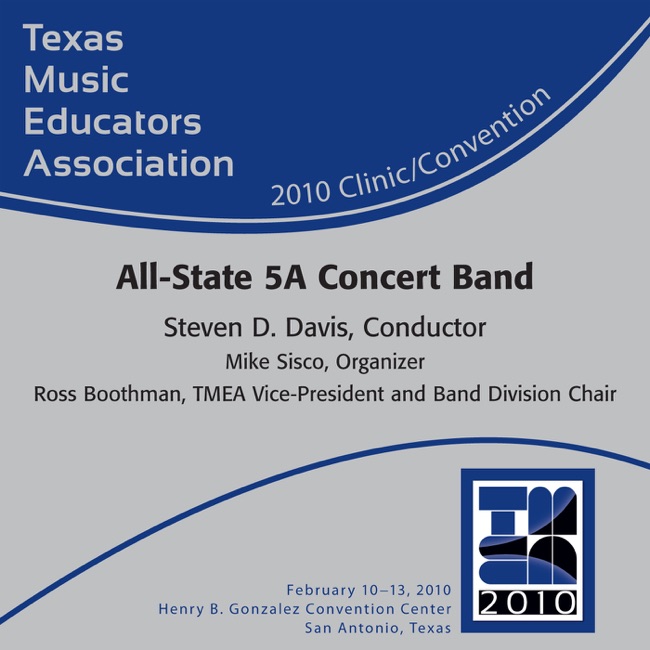
-
 August 30, 2011
 -
 August 2, 2011
 -
 April 14, 2009
 -
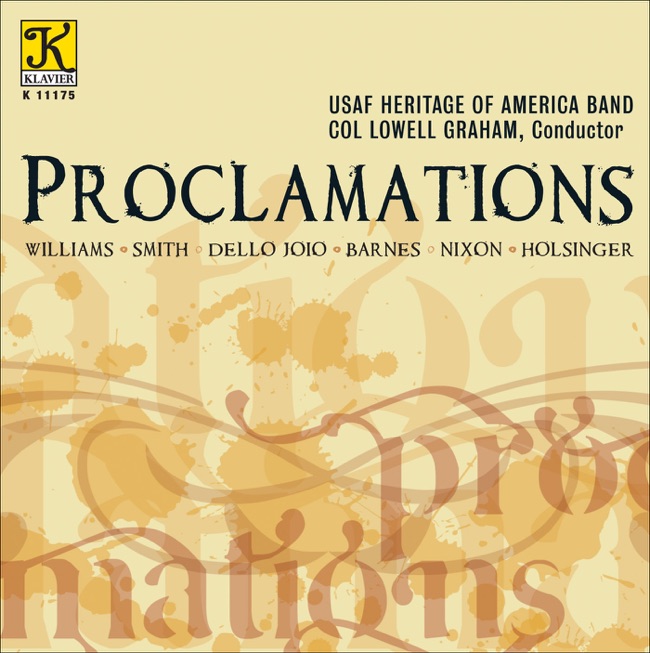 January 1, 2009
 -
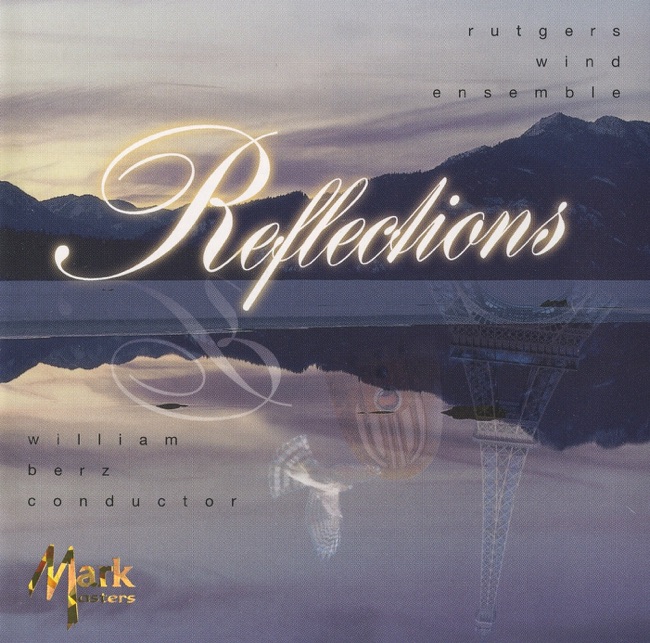 June 21, 2005
Chamber
-
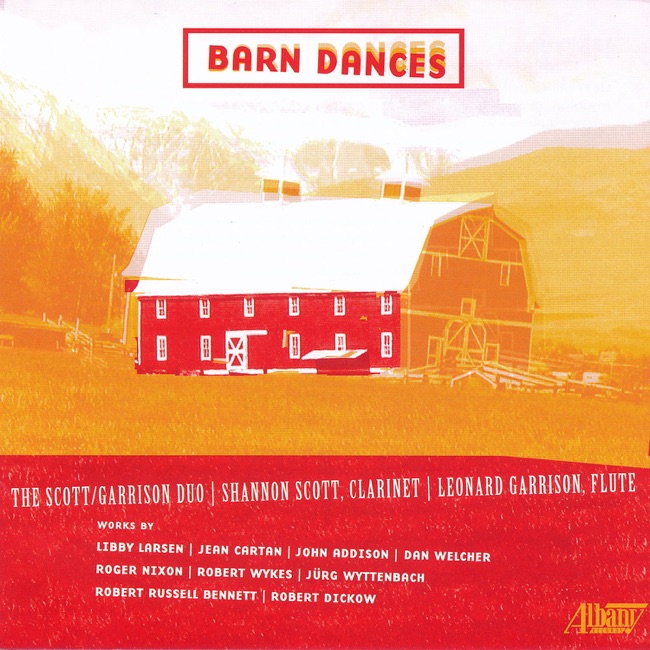 December 14, 2010
 -
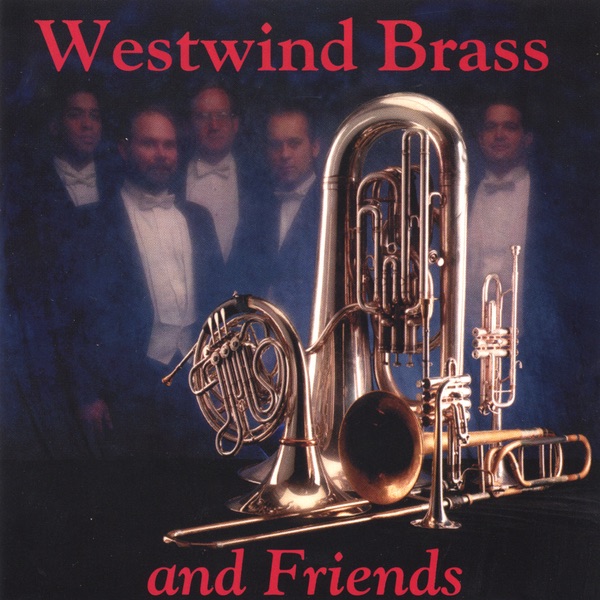 May 8, 2001
Orchestral
-
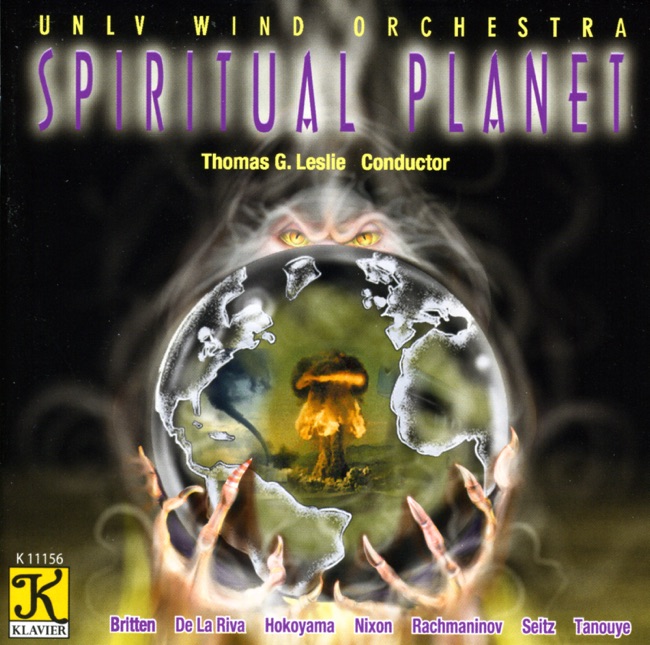 December 20, 2005
Artist Info
Role:ComposerBirth:August 8, 1921Death:2009Period:ContemporaryGenre:BandKeyboardRoger Nixon was an American composer of classical music who was born on August 12, 1921, in Tulare, California. He was the son of a music teacher and grew up in a musical family. His father was a violinist and his mother was a pianist, and they both encouraged him to pursue music from a young age. Nixon began his musical education at the age of six, when he started taking piano lessons. He later learned to play the violin and the trumpet, and he also sang in his church choir. He attended Tulare Union High School, where he played in the school band and orchestra and was a member of the glee club. After graduating from high school, Nixon attended the University of California, Berkeley, where he studied music composition with Ernest Bloch and Arthur Bliss. He earned his Bachelor of Arts degree in 1942 and his Master of Arts degree in 1943. During his time at Berkeley, Nixon also played trumpet in the university's marching band and symphony orchestra. After completing his studies at Berkeley, Nixon served in the United States Army during World War II. He was stationed in Europe and played trumpet in the army band. After the war, he returned to California and began teaching music at various schools and colleges. Nixon's career as a composer began to take off in the 1950s. He won several awards and commissions for his compositions, including the Prix de Rome in 1951 and a commission from the San Francisco Symphony in 1954. He also served as the composer-in-residence at the University of California, Los Angeles, from 1957 to 1959. Nixon's music is characterized by its lyrical melodies, rich harmonies, and rhythmic vitality. He was influenced by a wide range of musical styles, including jazz, folk music, and the music of other cultures. His compositions include orchestral works, chamber music, choral music, and music for solo instruments. One of Nixon's most famous works is his Symphony No. 5, which was commissioned by the San Francisco Symphony and premiered in 1955. The symphony is a tribute to the city of San Francisco and its diverse cultural heritage. It is divided into four movements, each of which represents a different aspect of the city's history and culture. The first movement, "The Golden Gate," is a tribute to the city's famous bridge. The second movement, "Chinatown," is a musical portrait of the city's Chinese community. The third movement, "The Barbary Coast," is a tribute to the city's colorful past as a center of vice and entertainment. The final movement, "The City," is a celebration of the city's vitality and diversity. Another notable work by Nixon is his Sonata for Trumpet and Piano, which was written in 1950. The sonata is a virtuosic showcase for the trumpet, with fast runs and intricate rhythms. It has become a standard repertoire piece for trumpet players. Nixon's other works include his Symphony No. 2, which was commissioned by the Los Angeles Philharmonic and premiered in 1953; his String Quartet No. 2, which was commissioned by the Koussevitzky Music Foundation and premiered in 1956; and his Chorale Prelude on "St. Anne," which was written in 1960 and is based on the hymn tune that is commonly known as "O God, Our Help in Ages Past." Nixon continued to compose music throughout his life, even after he retired from teaching in 1986. He died on October 13, 2009, at the age of 88.More....
Recent Artist Music

11
9:15
Copyright Ⓒ 2013 Davinci Finger. All rights reseved
Service Terms & Policy