


Wilhelm Lutz-Rijeka
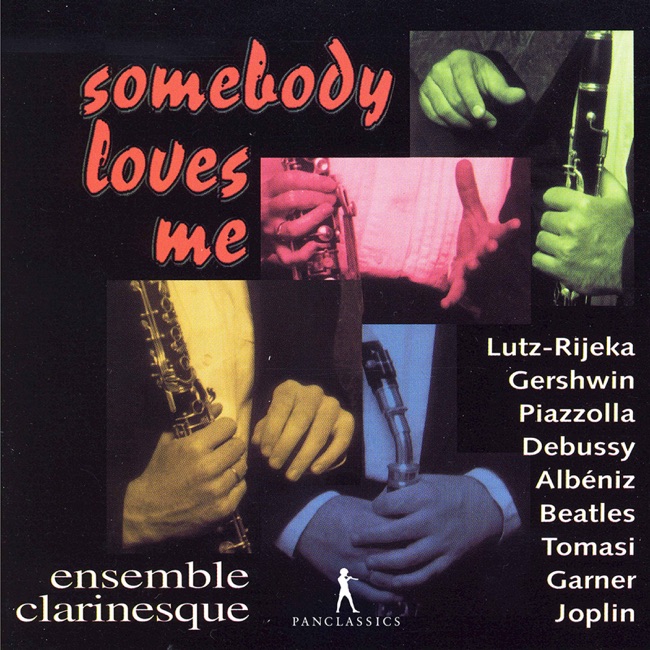
Artist Info
Role:ComposerBirth:1955Genre:ChamberWilhelm Lutz-Rijeka was a prominent classical music composer who was born on January 12, 1879, in Rijeka, Croatia. He was the son of a German father and a Croatian mother, and his family had a strong musical background. His father was a music teacher, and his mother was a singer. From a young age, Wilhelm showed a keen interest in music and began studying the piano and violin. In 1897, Wilhelm moved to Vienna to study music at the Vienna Conservatory. He studied composition under the tutelage of Robert Fuchs and Franz Schmidt, two of the most prominent composers of the time. During his time at the conservatory, Wilhelm also studied conducting and became a skilled conductor. After completing his studies, Wilhelm began his career as a composer and conductor. He worked as a conductor in various cities across Europe, including Vienna, Berlin, and Paris. He also composed numerous works during this time, including symphonies, operas, and chamber music. One of Wilhelm's most notable works is his Symphony No. 1 in C minor, which he composed in 1905. The symphony is a powerful and emotional work that showcases Wilhelm's skill as a composer. It was well-received by audiences and critics alike and helped establish Wilhelm as a prominent composer. In 1914, Wilhelm was appointed as the conductor of the Rijeka Opera in his hometown. He held this position for several years and composed several operas during this time, including his most famous work, "The Legend of the Sunken City." The opera tells the story of the ancient city of Fiume, which was said to have sunk into the sea. The opera was a huge success and helped establish Wilhelm as one of the leading composers of his time. During World War I, Wilhelm served in the Austro-Hungarian army as a conductor in the military band. He continued to compose during this time and wrote several patriotic works, including his "March of the Iron Brigade." After the war, Wilhelm continued to compose and conduct. He was appointed as the conductor of the Vienna State Opera in 1920, a position he held for several years. During this time, he composed several operas, including "The Queen of the Adriatic" and "The Last Days of Pompeii." In 1938, Wilhelm was forced to flee Austria due to the Nazi occupation. He moved to the United States and settled in New York City. Despite the upheaval in his life, Wilhelm continued to compose and conduct. He became a professor of music at Columbia University and continued to compose until his death in 1943. Wilhelm Lutz-Rijeka was a prolific composer who left behind a rich legacy of music. His works are known for their emotional depth and powerful melodies. He was a skilled conductor and was highly respected by his peers. Despite the challenges he faced in his life, Wilhelm remained dedicated to his craft and continued to create beautiful music until the end of his life.More....
Recent Artist Music
Copyright Ⓒ 2013 Davinci Finger. All rights reseved
Service Terms & Policy