


César Guerra Peixe
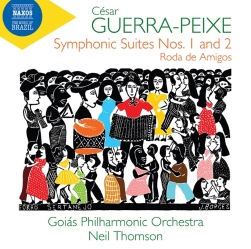
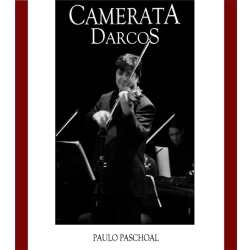
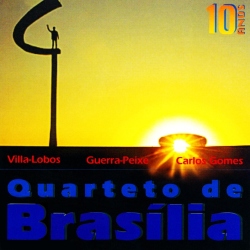
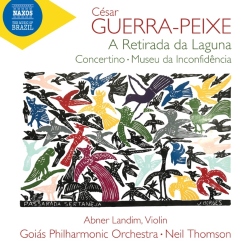
Released Album
Chamber
-
 April 10, 2020
 -
 December 7, 2018
 -
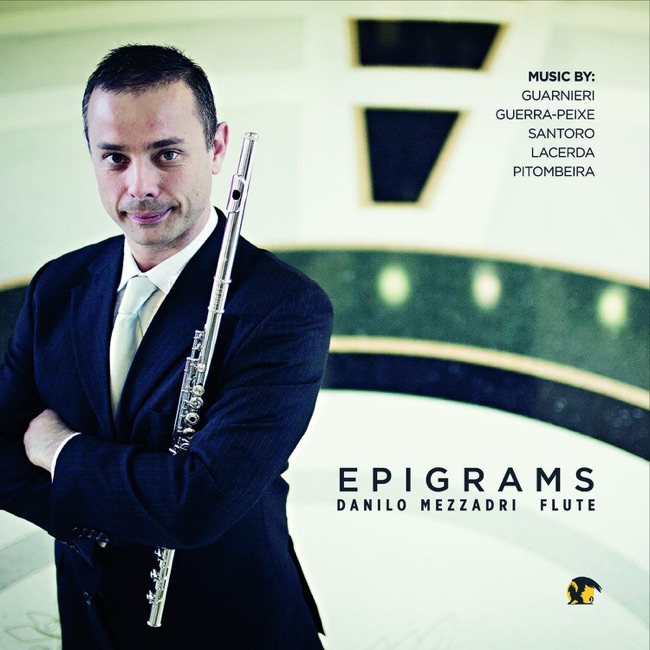 October 10, 2017
 -
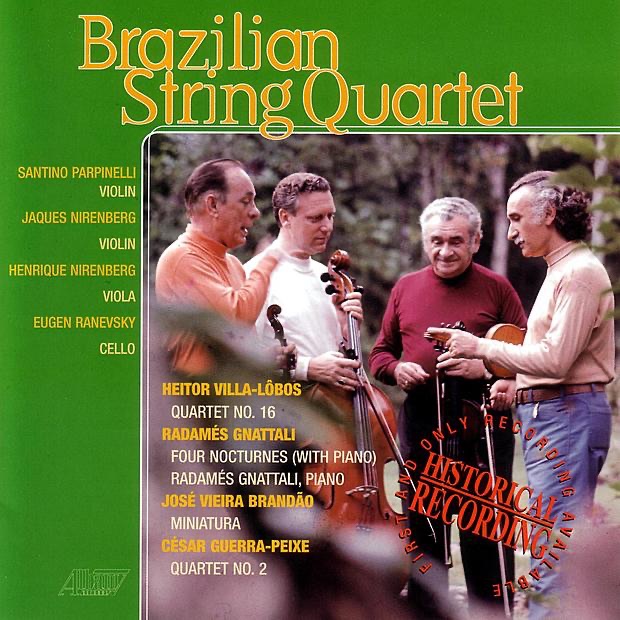 June 26, 2001
 -
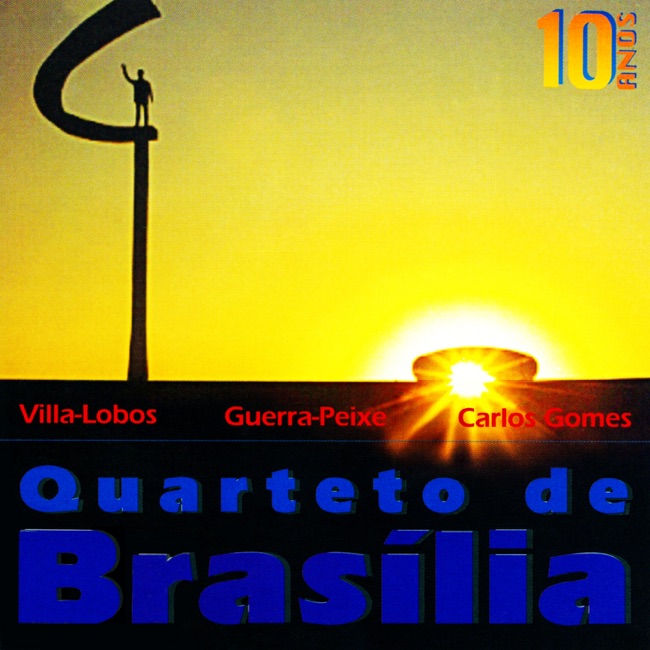 November 11, 1996
Orchestral
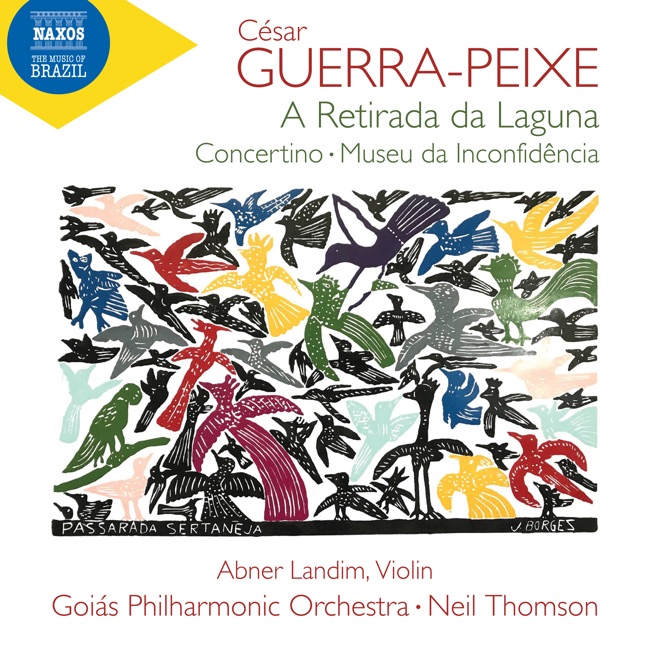
Artist Info
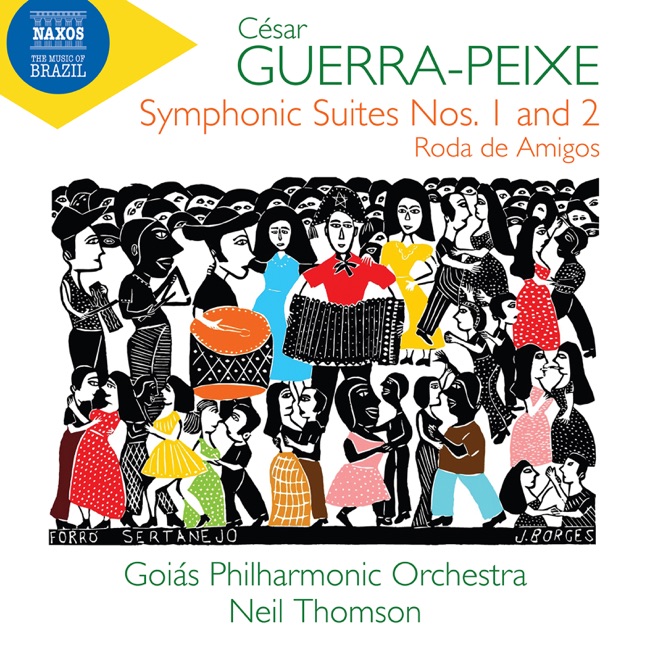
Role:Composer ConductorBirth:March 18, 1914 in Petrópolis, RJ, BrazilDeath:November 26, 1993 in Rio De Janeiro, BrazilGenre:ConcertoCésar Guerra-Peixe was a Brazilian composer and conductor who was born on March 18, 1914, in Petrópolis, Rio de Janeiro, Brazil. He was the son of a Spanish father and a Brazilian mother. His father was a musician and a composer, and he introduced César to music at a young age. César's mother was a pianist, and she also played an important role in his musical education. César began his musical studies at the age of six, and he showed great talent as a pianist. He studied piano with his mother and later with the Brazilian pianist and composer Henrique Oswald. He also studied composition with the Brazilian composer Francisco Mignone. In 1935, César moved to Rio de Janeiro to study at the National School of Music. He studied composition with the Brazilian composer and conductor Heitor Villa-Lobos, who was one of the most important figures in Brazilian music at the time. Villa-Lobos had a great influence on César's musical style, and he encouraged him to explore Brazilian folk music in his compositions. César graduated from the National School of Music in 1939, and he began his career as a composer and conductor. He worked for several orchestras in Brazil, including the Brazilian Symphony Orchestra, the Rio de Janeiro Symphony Orchestra, and the São Paulo Symphony Orchestra. He also worked as a music teacher, and he taught at several schools and universities in Brazil. César's music is characterized by its use of Brazilian folk music and rhythms. He was one of the pioneers of the Brazilian nationalist movement in music, which aimed to create a distinct Brazilian musical identity. His compositions often feature elements of samba, choro, and other Brazilian musical genres. One of César's most famous works is his Symphony No. 1, which he composed in 1944. The symphony is divided into three movements, and it features Brazilian folk melodies and rhythms. The symphony was well-received by audiences and critics, and it helped establish César as one of the leading composers in Brazil. César also composed several works for chamber ensembles, including his String Quartet No. 1, which he composed in 1952. The quartet is a tribute to the Brazilian poet Carlos Drummond de Andrade, and it features elements of Brazilian folk music and rhythms. In addition to his compositions, César was also a respected conductor. He conducted several premieres of works by Brazilian composers, including Villa-Lobos, Mignone, and Camargo Guarnieri. He also conducted several international orchestras, including the London Symphony Orchestra and the Berlin Philharmonic Orchestra. César received several awards and honors during his career, including the National Order of Merit in Brazil and the Order of Cultural Merit in France. He died on November 26, 1993, in Rio de Janeiro, Brazil. In conclusion, César Guerra-Peixe was a pioneering composer and conductor who played an important role in the development of Brazilian music. His compositions, which feature elements of Brazilian folk music and rhythms, helped establish a distinct Brazilian musical identity. His Symphony No. 1 and String Quartet No. 1 are among his most famous works, and they continue to be performed and recorded today. César's legacy as a composer and conductor continues to inspire musicians and audiences around the world.More....
Recent Artist Music
1

3:3



Recommend Playlist




Copyright Ⓒ 2013 Davinci Finger. All rights reseved
Service Terms & Policy