


Wilfred Burns
Released Album
Orchestral
-
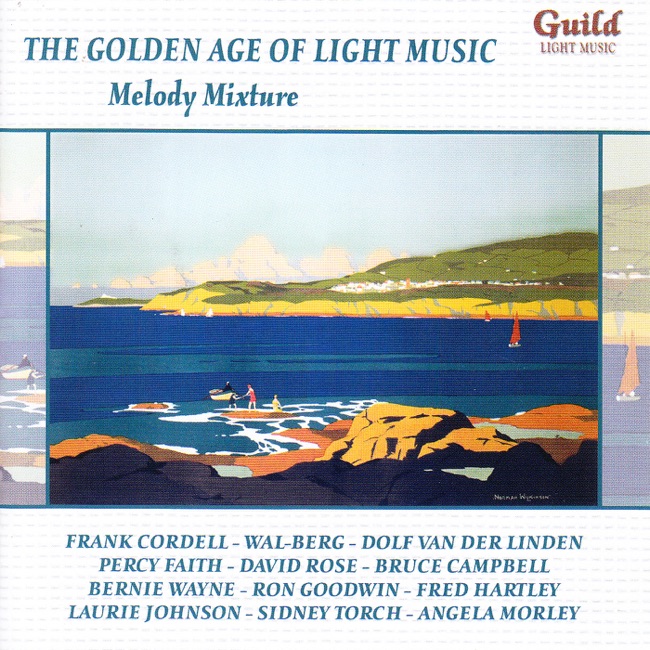 December 3, 2012
 -
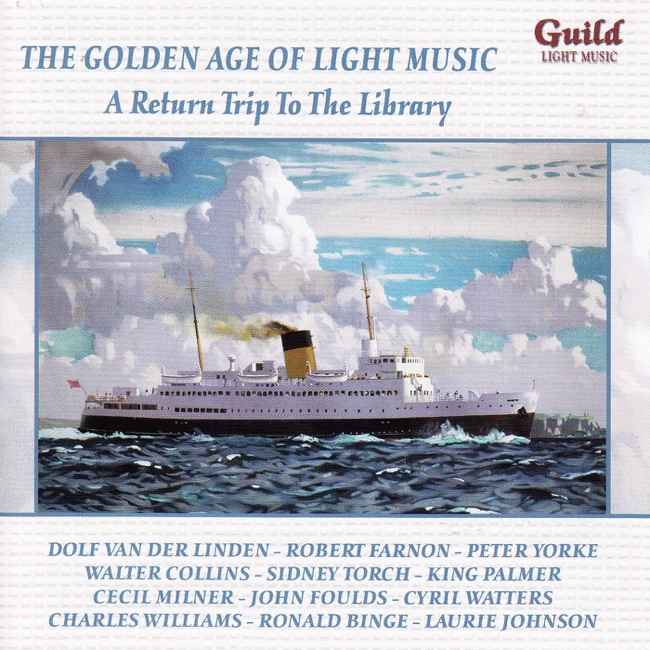 November 7, 2011
 -
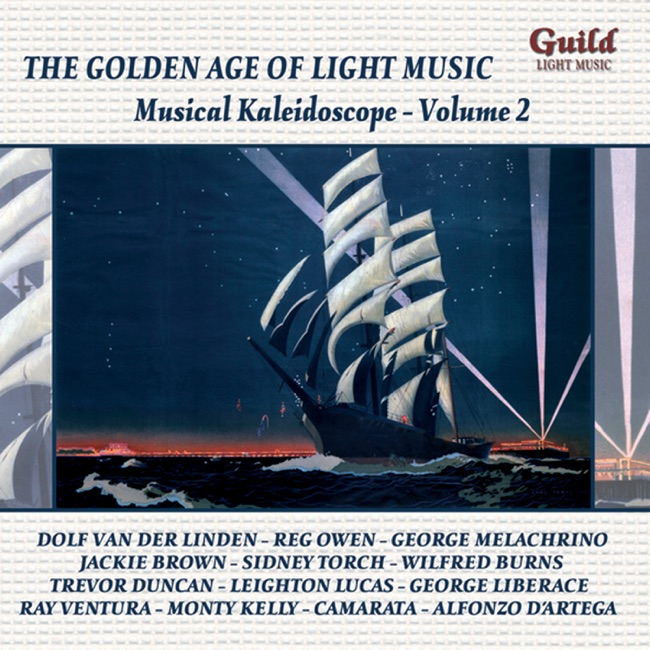
-
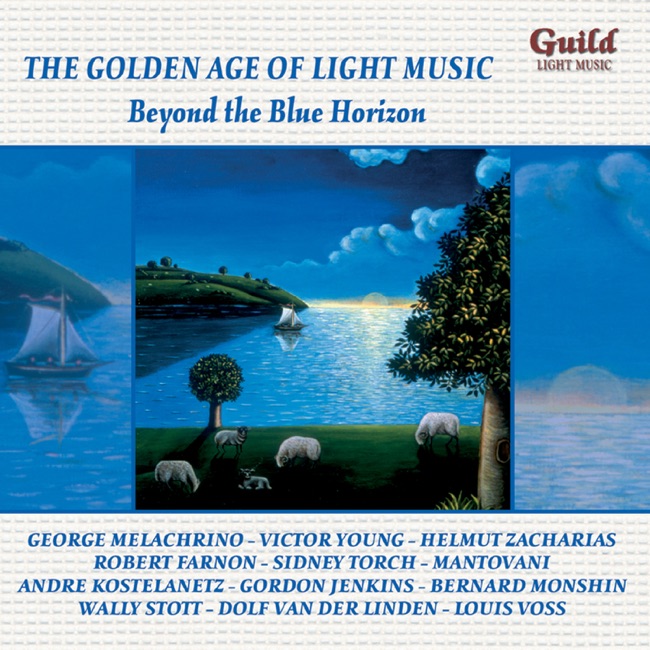
-
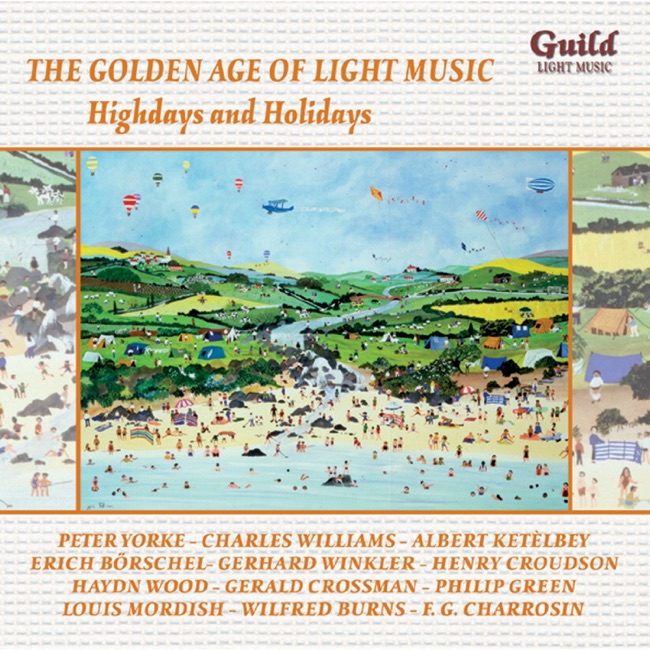 December 27, 2005
Artist Info
Role:Composer ConductorBirth:1917Death:1990Genre:OrchestralWilfred Burns was a British composer and conductor who lived from 1880 to 1954. He was born in London, England, and grew up in a family of musicians. His father, Alfred Burns, was a well-known conductor and composer, and his mother, Mary Burns, was a singer and pianist. Wilfred showed an early interest in music and began studying the piano and violin at a young age. He also showed a talent for composition and began writing his own music as a teenager. He studied at the Royal Academy of Music in London, where he was a pupil of Frederick Corder and Frederick Bridge. After completing his studies, Burns began working as a conductor and composer. He conducted orchestras in London and throughout England, and his compositions were performed by leading orchestras and ensembles. He also worked as a music critic for several newspapers and magazines, including The Times and The Musical Times. Burns was a prolific composer, and his works include orchestral pieces, chamber music, songs, and choral music. His music is characterized by its lyrical melodies, rich harmonies, and colorful orchestration. He was influenced by the music of the Romantic era, particularly the works of Brahms and Wagner. One of Burns' most famous works is his Symphony in B flat, which was premiered in 1913. The symphony is a large-scale work that showcases Burns' skill as an orchestrator and his ability to create memorable melodies. It was well-received by audiences and critics alike, and helped establish Burns as one of the leading composers of his time. Another notable work by Burns is his Piano Concerto in D minor, which was premiered in 1921. The concerto is a virtuosic showcase for the soloist, and features a memorable opening theme and a lively finale. It has been performed by many leading pianists, including Artur Rubinstein and Vladimir Horowitz. Burns also wrote a number of chamber music works, including a String Quartet in D minor and a Piano Trio in A minor. These works showcase Burns' skill at writing for smaller ensembles, and feature intricate counterpoint and expressive melodies. In addition to his instrumental works, Burns also wrote a number of choral pieces. His most famous choral work is his setting of the hymn "Lead, Kindly Light," which has become a staple of church choirs around the world. Burns' choral music is characterized by its lush harmonies and expressive melodies, and is often performed by amateur and professional choirs alike. Throughout his career, Burns was known for his dedication to music education. He taught at several music schools and conservatories, including the Royal Academy of Music and the Guildhall School of Music and Drama. He also wrote a number of instructional books on music theory and composition, which are still used by students today. Burns' legacy as a composer and conductor continues to be felt today. His music is still performed by orchestras and ensembles around the world, and his influence can be heard in the works of many contemporary composers. He is remembered as a talented and versatile musician who made significant contributions to the world of classical music.More....
Recent Artist Music
2
3:10
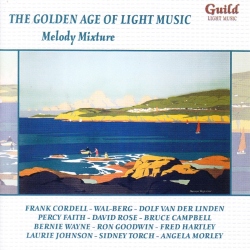
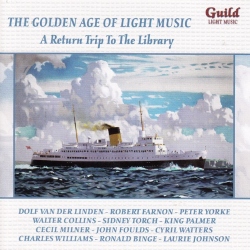
Copyright Ⓒ 2013 Davinci Finger. All rights reseved
Service Terms & Policy