


Walter Frye
Released Album
Vocal
-
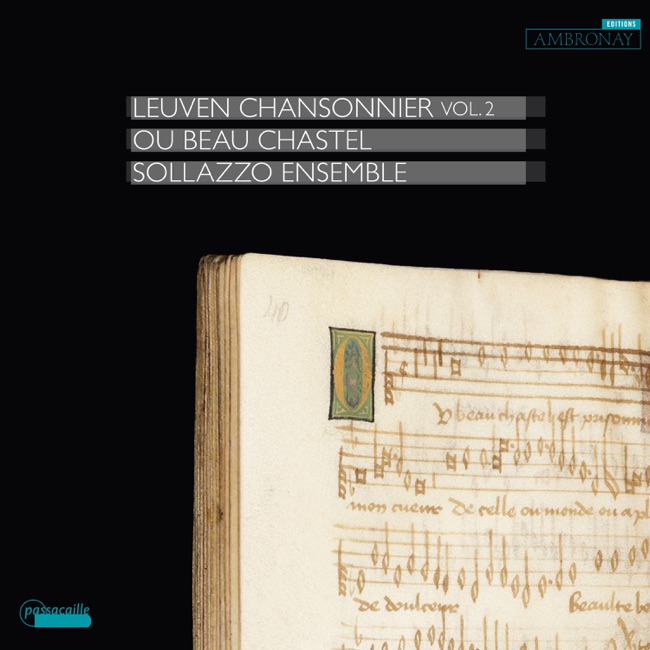 January 21, 2022
 -
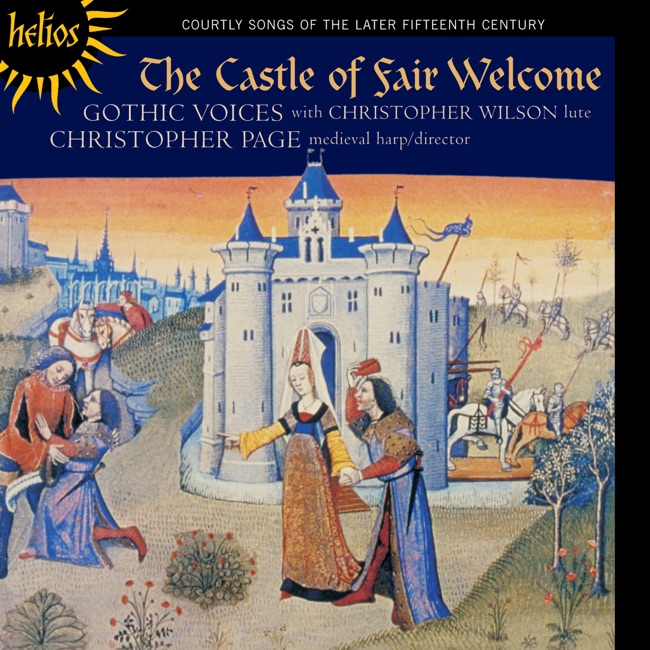 January 29, 2007
 -
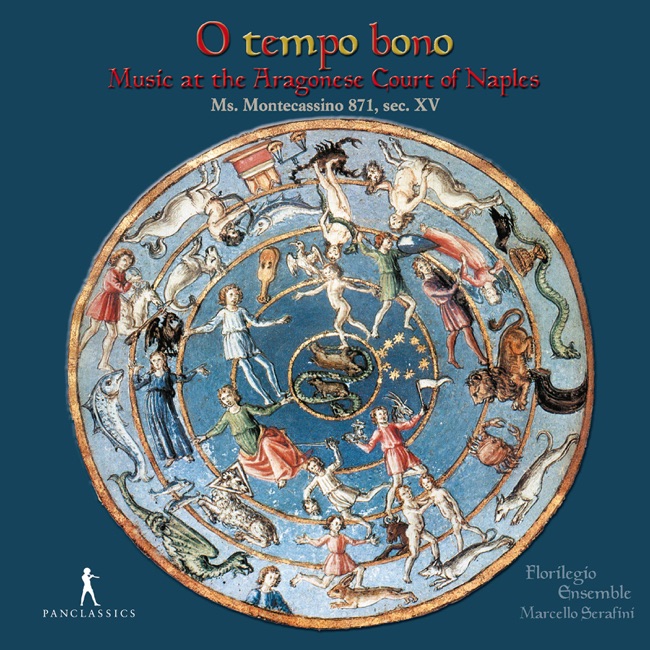 March 27, 2001
 -
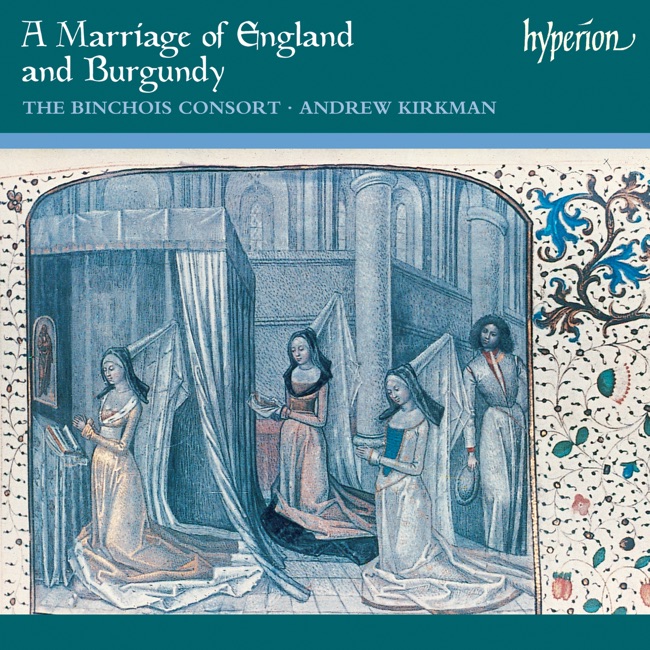 October, 2000
Choral
-
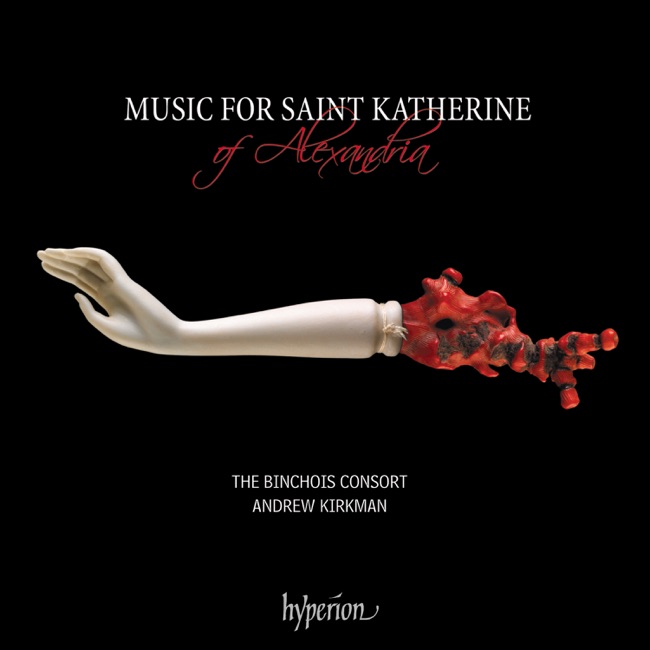 May 31, 2019
 -
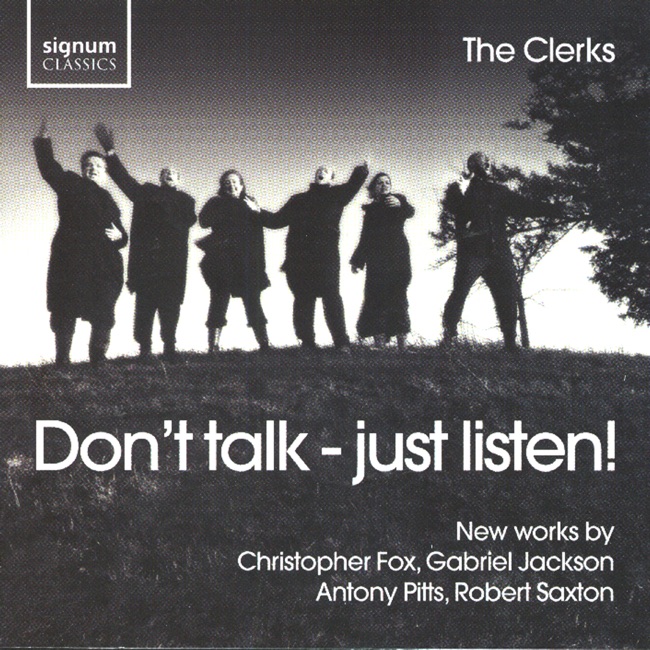 November 24, 2009
Keyboard
-
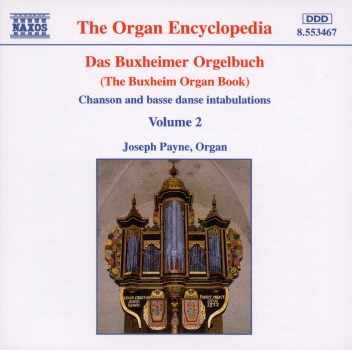 March 26, 1996
Artist Info
Role:ComposerCountry: United KingdomBirth:15th c. in Lincolnshire, EnglandDeath:1450 in London, EnglandPeriod:RenaissanceGenre:KeyboardVocalWalter Frye was a prominent composer of the late medieval period, known for his contributions to the development of English polyphony. Born in the mid-15th century, Frye's exact birthdate and birthplace are unknown, but it is believed that he was born in the north of England, possibly in the city of York. Frye's early life is shrouded in mystery, but it is likely that he received a musical education at one of the many cathedrals or monasteries in the region. By the early 1470s, Frye had established himself as a professional musician, and he was appointed as a singer at the royal chapel of King Edward IV. During his time at the royal chapel, Frye composed a number of works that would become some of his most famous and enduring pieces. These include the Masses "Missa Flos Regalis" and "Missa Nobilis et Pulchra," as well as the motet "Ave Regina Caelorum." These works showcase Frye's skill at crafting complex polyphonic textures, as well as his ability to create beautiful and expressive melodies. In addition to his work at the royal chapel, Frye also served as a musician at the court of Henry VII, where he continued to compose music and perform for the king and his courtiers. It was during this time that Frye composed his most famous secular work, the chanson "Adieu, Mon Amour," which became a popular hit throughout Europe. Frye's music was highly regarded during his lifetime, and he was widely recognized as one of the leading composers of his era. His works were performed throughout England and Europe, and he was often called upon to compose music for important state occasions and religious ceremonies. Despite his success, Frye's life was not without its challenges. He lived during a time of great political and social upheaval, and he witnessed firsthand the Wars of the Roses, the rise of the Tudor dynasty, and the tumultuous reign of Henry VIII. Frye's music reflects these turbulent times, with many of his works featuring themes of love, loss, and political intrigue. Frye's legacy as a composer has endured to the present day, with his music still performed and studied by musicians and scholars around the world. His contributions to the development of English polyphony have been widely recognized, and his works continue to be celebrated for their beauty, complexity, and emotional depth. In conclusion, Walter Frye was a highly influential composer of the late medieval period, known for his contributions to the development of English polyphony and his skill at crafting complex and expressive musical textures. His works continue to be celebrated for their beauty and emotional depth, and his legacy as a composer has endured to the present day.More....
Recent Artist Music
5
2:58
Copyright Ⓒ 2013 Davinci Finger. All rights reseved
Service Terms & Policy