


Meinrad Schütter
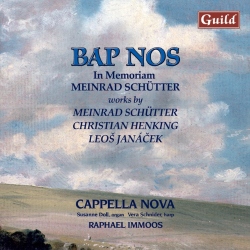
Released Album
Vocal
-
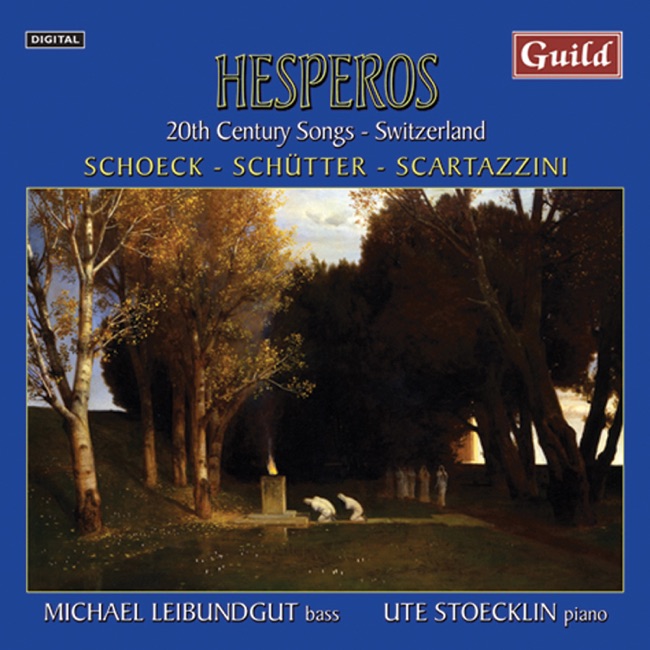 September 30, 2002
Choral
-
 March 8, 2011
Chamber
-
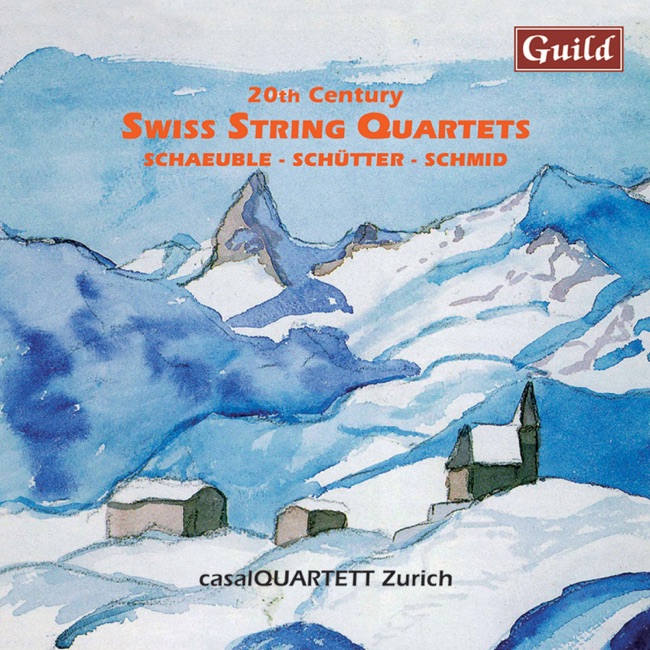 October 24, 2006
Artist Info
Role:ComposerBirth:1910Death:2006Period:ContemporaryGenre:ConcertoVocalMeinrad Schütter was a German composer of classical music who was born on August 22, 1925, in the town of Freiburg im Breisgau, located in the southwestern part of Germany. He was the son of a music teacher and grew up in a family that was deeply involved in music. His father, who was also a composer, played a significant role in shaping Meinrad's musical education. Schütter began his musical studies at an early age, learning to play the piano and the violin. He later studied composition with the renowned German composer Wolfgang Fortner at the Freiburg Music Academy. After completing his studies, Schütter worked as a freelance composer and music teacher in various cities in Germany. Schütter's early works were influenced by the music of the Second Viennese School, particularly the works of Arnold Schoenberg and Anton Webern. However, he soon developed his own unique style, which was characterized by a combination of traditional tonality and modernist techniques. One of Schütter's most significant works is his Symphony No. 1, which he composed in 1955. The symphony is a complex and challenging work that showcases Schütter's mastery of orchestration and his ability to create intricate musical structures. The work was well-received by critics and established Schütter as one of the leading composers of his generation. In the 1960s, Schütter began to experiment with electronic music, which was still a relatively new field at the time. He composed several works that combined traditional instruments with electronic sounds, including his piece "Klangfiguren II," which was premiered in 1963. The work was a groundbreaking achievement in the field of electronic music and helped to establish Schütter as a pioneer in the genre. Schütter's later works continued to explore new musical territories, including his opera "Der Untergang von Byzanz" (The Fall of Byzantium), which he composed in 1980. The opera is a powerful and dramatic work that tells the story of the fall of the Byzantine Empire in the 15th century. The work features a large orchestra, a chorus, and several soloists, and is considered one of Schütter's most significant achievements. Throughout his career, Schütter received numerous awards and honors for his contributions to classical music. In 1975, he was awarded the Order of Merit of the Federal Republic of Germany, one of the country's highest honors. He also received the Ernst von Siemens Music Prize in 1986, which is awarded annually to outstanding composers, performers, and musicologists. Meinrad Schütter passed away on January 7, 2006, at the age of 80. He left behind a legacy of innovative and challenging works that continue to inspire and influence composers and musicians around the world. His contributions to the field of classical music have earned him a place among the most significant composers of the 20th century.More....
Recent Artist Music
Copyright Ⓒ 2013 Davinci Finger. All rights reseved
Service Terms & Policy