


Elisabeth Lutyens
Released Album
Chamber
-
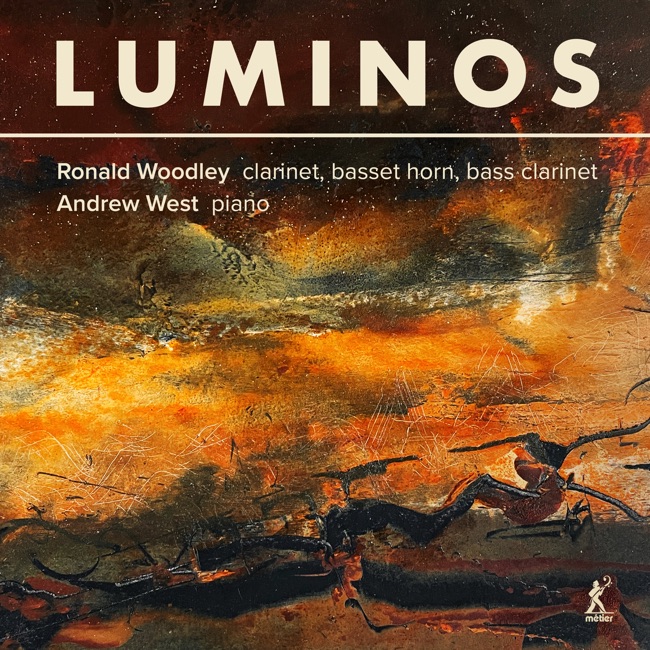 January 12, 2024
 -
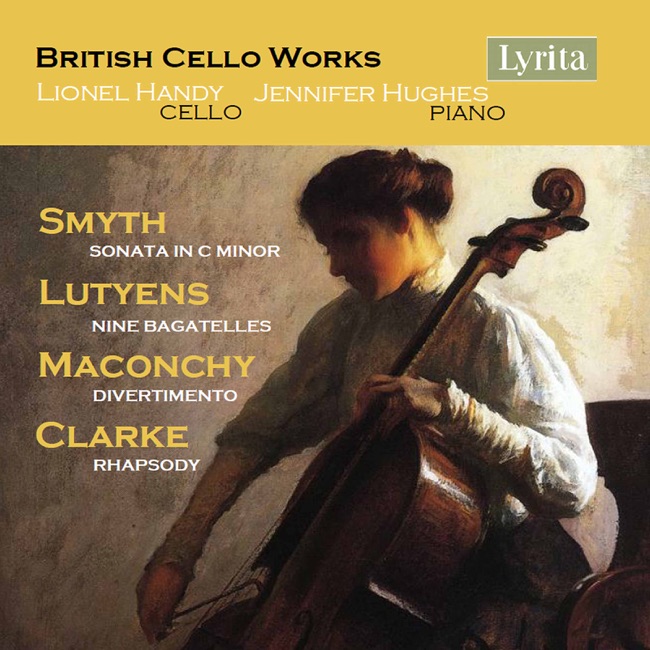 November 1, 2019
 -
 March 2, 2018
 -
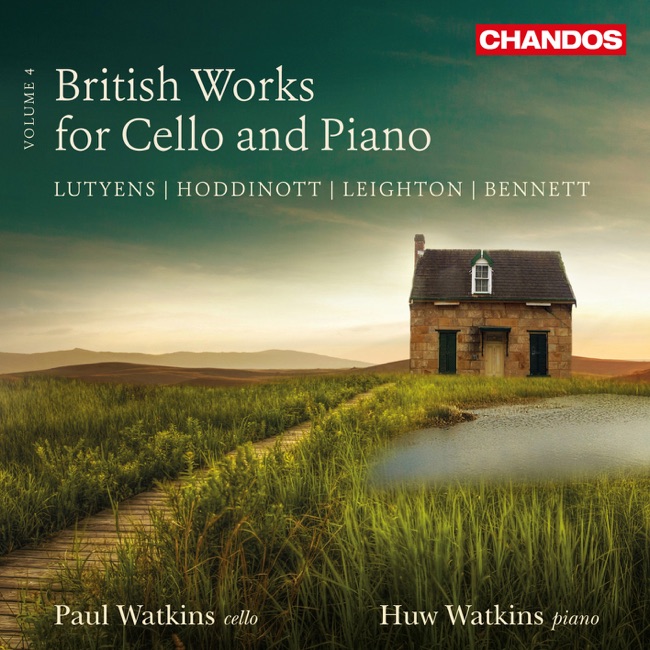 June 30, 2015
 -
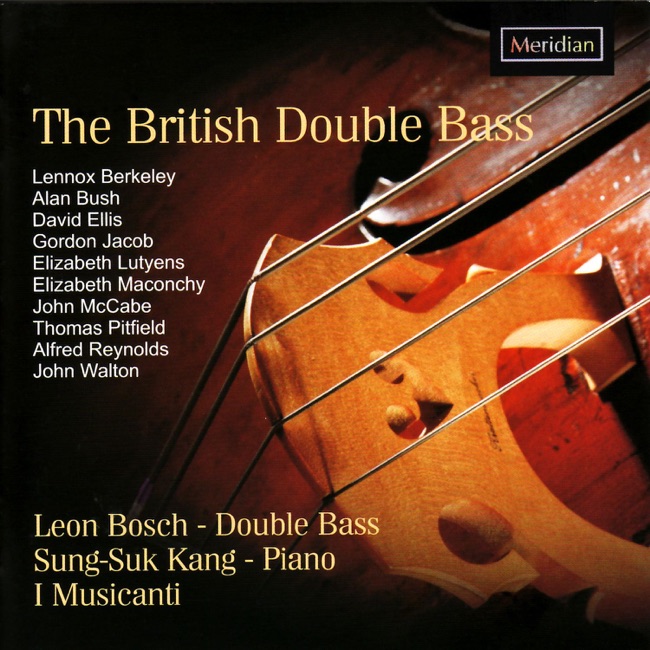 March 11, 2008
 -
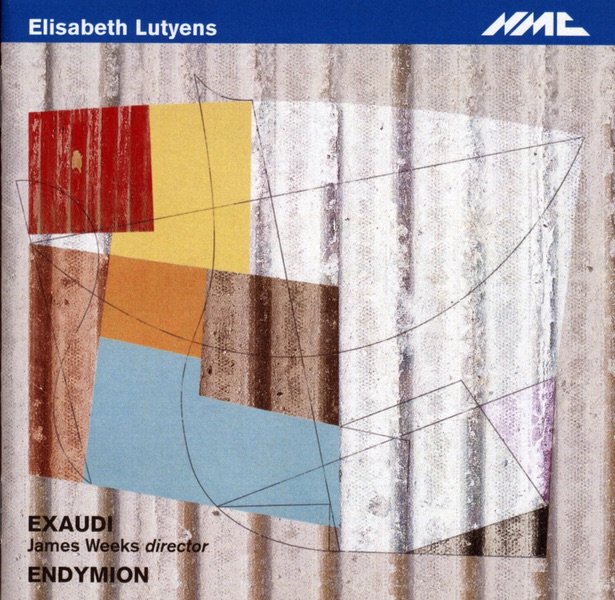 October 1, 2006
Choral
-
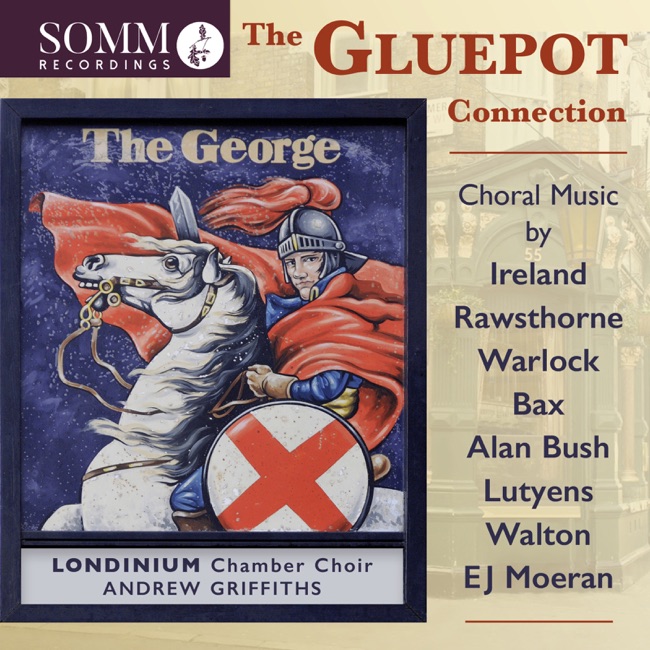 March 2, 2018
 -
 March 31, 2014
 -
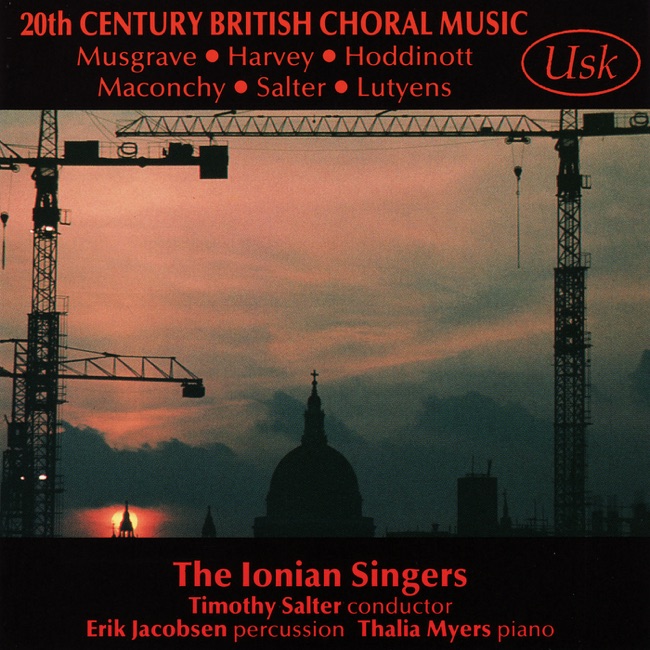 August 25, 1993
Vocal
Keyboard
-
 September 30, 2022
 -
 October 15, 2021
Artist Info
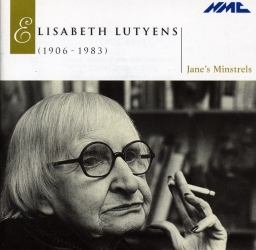
Role:ComposerCountry: United KingdomBirth:July 9, 1906 in London, EnglandDeath:April 14, 1983 in London, EnglandPeriod:ModernGenre:ChamberChoralElisabeth Lutyens was a British composer who was born on July 9, 1906, in London, England. She was the daughter of the famous architect Sir Edwin Lutyens and his wife Emily Bulwer-Lytton, who was a writer. Elisabeth grew up in a family that was well-connected in the arts and literature, and she was exposed to music from an early age. Her mother was a pianist, and her father was a lover of music who often attended concerts and operas. Elisabeth began her musical education at the age of six when she started taking piano lessons. She showed a natural talent for music and was soon composing her own pieces. However, her father was not supportive of her musical ambitions and discouraged her from pursuing a career in music. He believed that music was not a suitable profession for a woman and that it would be difficult for her to make a living as a composer. Despite her father's objections, Elisabeth continued to study music and composition. She attended the Royal Academy of Music in London, where she studied with John Ireland and Ralph Vaughan Williams. She also studied with the composer and conductor Adrian Boult, who was a family friend. Boult recognized Elisabeth's talent and encouraged her to pursue a career in music. Elisabeth's early works were influenced by the music of Arnold Schoenberg and the Second Viennese School. She was drawn to the atonal and serialist techniques that were being developed by these composers. Her first major work was a piano sonata that she composed in 1930. The piece was well-received and established her as a promising young composer. In the 1940s, Elisabeth's music began to evolve. She became interested in the music of the Baroque period and started incorporating elements of Baroque music into her compositions. She also began to experiment with electronic music and was one of the first British composers to use electronic instruments in her works. One of Elisabeth's most significant works is her opera, "The Numbered," which she composed in 1968. The opera is based on a play by Israeli playwright Elias Canetti and explores themes of power, control, and oppression. The opera was well-received and established Elisabeth as a major figure in British music. Elisabeth continued to compose throughout her life and was known for her prolific output. She composed over 200 works, including orchestral pieces, chamber music, vocal music, and electronic music. Her music was often challenging and experimental, and she was not afraid to push the boundaries of traditional musical forms. Elisabeth was also a respected music critic and wrote for several publications, including The Guardian and The Observer. She was known for her sharp wit and her willingness to speak her mind. She was a strong advocate for contemporary music and was not afraid to criticize the establishment when she felt that it was not supporting new music. Elisabeth Lutyens died on April 14, 1983, in London, England. She was 76 years old. Her legacy as a composer and critic continues to be celebrated today. Her music is still performed and recorded, and she is recognized as one of the most important British composers of the 20th century.More....
Recent Artist Music







Copyright Ⓒ 2013 Davinci Finger. All rights reseved
Service Terms & Policy