


Eyvin Andersen
Released Album
Concerto
-
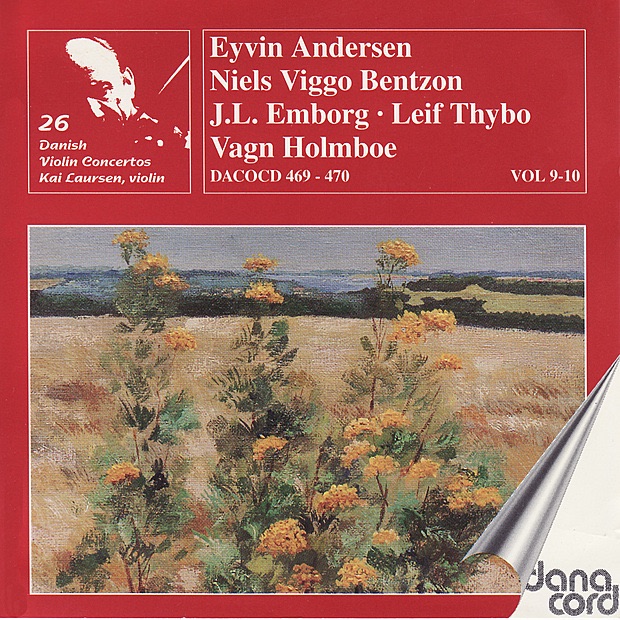 August 11, 2009
Chamber
-
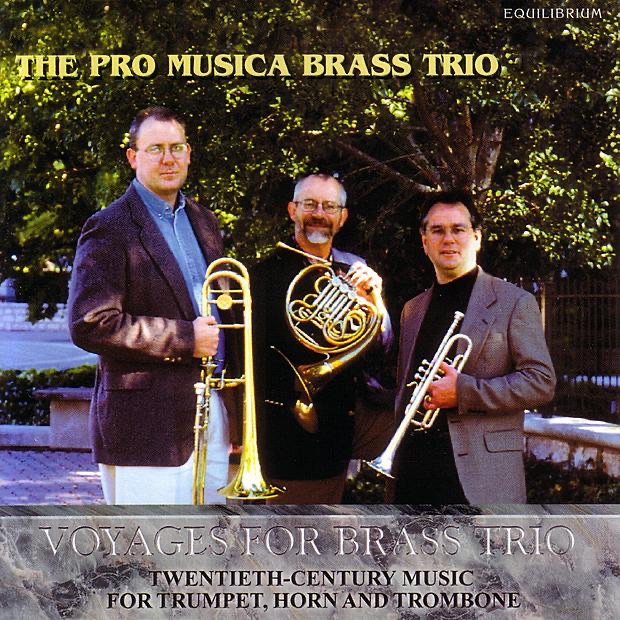 April 24, 2001
Artist Info
Role:ComposerBirth:1914Death:1968Period:ContemporaryGenre:ChamberConcertoEyvin Andersen was a Norwegian classical music composer born on August 22, 1924, in Oslo, Norway. He was the youngest of three children born to his parents, who were both musicians. His father was a violinist, and his mother was a pianist. Andersen's parents recognized his musical talent at an early age and encouraged him to pursue a career in music. Andersen began his musical education at the age of six when he started taking piano lessons. He showed great promise as a pianist and quickly progressed through his studies. At the age of 12, he began studying composition with the renowned Norwegian composer, Fartein Valen. Valen was a significant influence on Andersen's musical style, and he remained a mentor to Andersen throughout his life. Andersen continued his studies at the Oslo Conservatory of Music, where he studied composition with Bjarne Brustad and piano with Robert Riefling. He graduated from the conservatory in 1946 and went on to study composition with Aaron Copland at Tanglewood Music Center in Massachusetts. Andersen's early compositions were heavily influenced by Valen's style, which was characterized by its use of dissonance and complex harmonies. However, as Andersen matured as a composer, he began to develop his own unique style, which was characterized by its use of tonality and lyrical melodies. Andersen's first major work was his Symphony No. 1, which he composed in 1952. The symphony was well-received by critics and established Andersen as a significant figure in Norwegian classical music. The symphony was followed by a series of chamber works, including his String Quartet No. 1, which was premiered in 1954. Andersen's music was heavily influenced by Norwegian folk music, and he often incorporated folk melodies and rhythms into his compositions. This can be heard in his Piano Concerto, which he composed in 1958. The concerto is characterized by its use of Norwegian folk melodies and its virtuosic piano writing. In the 1960s, Andersen began to experiment with electronic music. He composed several works for tape, including his Electronic Music No. 1, which was premiered in 1963. The piece was composed using a variety of electronic instruments, including oscillators, filters, and tape recorders. Andersen's most significant work from this period was his opera, The Tempest, which he composed in 1968. The opera was based on William Shakespeare's play of the same name and was characterized by its use of electronic music and its innovative staging. Andersen continued to compose throughout the 1970s and 1980s, producing a series of orchestral works, chamber works, and vocal works. His music during this period was characterized by its use of tonality and its lyrical melodies. Andersen's final major work was his Symphony No. 5, which he composed in 1994. The symphony was premiered by the Oslo Philharmonic Orchestra and was well-received by critics. The symphony was characterized by its use of tonality and its lush orchestration. Throughout his career, Andersen received numerous awards and honors for his contributions to Norwegian classical music. He was awarded the Order of St. Olav in 1984 and was made a Commander of the Royal Norwegian Order of Merit in 1994. He was also awarded the Norwegian Music Critics' Award in 1995. Andersen died on December 6, 2006, in Oslo, Norway, at the age of 82. He is remembered as one of Norway's most significant classical music composers and a pioneer of electronic music.More....
Copyright Ⓒ 2013 Davinci Finger. All rights reseved
Service Terms & Policy