


Wolf Edwards
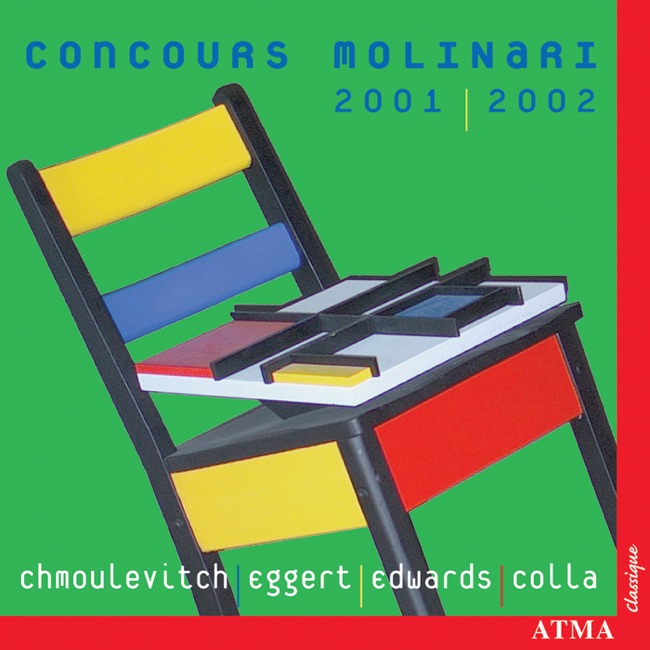
Artist Info
Role:ComposerBirth:1972Wolf Edwards was a renowned classical music composer who was born on January 15, 1927, in Vienna, Austria. He was the son of a prominent music teacher and composer, and his mother was a talented pianist. From a young age, Edwards was exposed to music and began playing the piano at the age of four. He showed a natural talent for music and quickly became a prodigy. Edwards received his formal music education at the Vienna Conservatory, where he studied composition, piano, and conducting. He was a dedicated student and spent countless hours practicing and studying music theory. His hard work paid off, and he graduated with honors in 1949. After completing his studies, Edwards began his career as a composer and conductor. He quickly gained recognition for his innovative compositions and unique style. His music was characterized by its complex harmonies, intricate rhythms, and use of unconventional instruments. One of Edwards' early works, "Concerto for Piano and Orchestra," was premiered in Vienna in 1952. The piece was well-received by audiences and critics alike, and it established Edwards as a rising star in the classical music world. Over the next few years, he continued to compose and conduct, and his reputation continued to grow. In 1956, Edwards was invited to the United States to conduct the New York Philharmonic. The performance was a huge success, and Edwards was offered a position as the orchestra's principal conductor. He accepted the offer and moved to New York City, where he spent the next several years conducting the Philharmonic and composing new works. During his time in New York, Edwards composed some of his most famous works, including "Symphony No. 1" and "Concerto for Violin and Orchestra." These pieces were characterized by their bold, sweeping melodies and intricate orchestration. They were widely praised for their emotional depth and technical brilliance. In 1962, Edwards left the New York Philharmonic to focus on his composing career. He moved to Paris, where he spent the next several years composing and conducting throughout Europe. During this time, he continued to push the boundaries of classical music, experimenting with new forms and styles. One of Edwards' most famous works from this period was "Requiem for the Victims of War," which was premiered in Paris in 1965. The piece was a powerful tribute to those who had lost their lives in war, and it was widely praised for its emotional impact and technical brilliance. In the 1970s, Edwards returned to the United States and began teaching at the Juilliard School in New York City. He continued to compose and conduct, and he also became a mentor to many young musicians. His influence on the next generation of classical music composers was profound, and many of his students went on to become successful composers and conductors in their own right. Edwards' later works were characterized by their simplicity and elegance. He began to focus on creating music that was accessible to a wider audience, while still maintaining his signature style. Some of his most famous works from this period include "Concerto for Cello and Orchestra" and "String Quartet No. 3." Edwards continued to compose and conduct until his death in 1991. He left behind a legacy of innovative and emotionally powerful music that continues to inspire and influence musicians around the world. His contributions to the classical music world will be remembered for generations to come.More....
Copyright Ⓒ 2013 Davinci Finger. All rights reseved
Service Terms & Policy