


Kui Dong
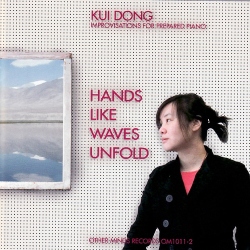
Released Album
Keyboard
-
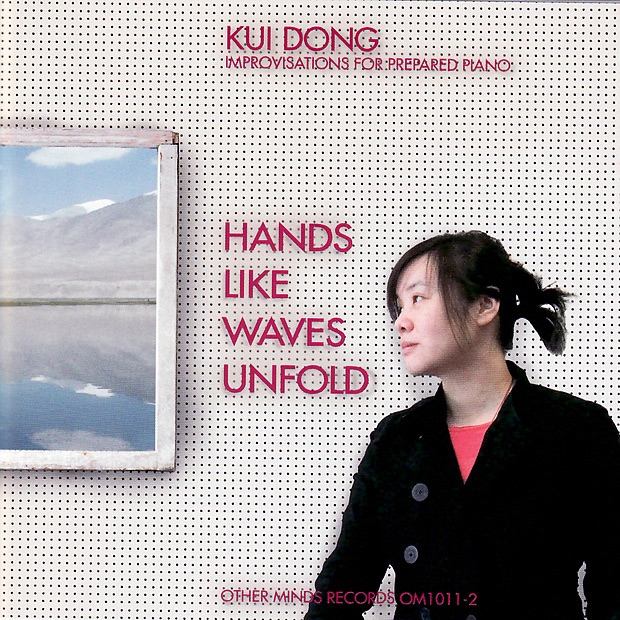 January 4, 2008
 -
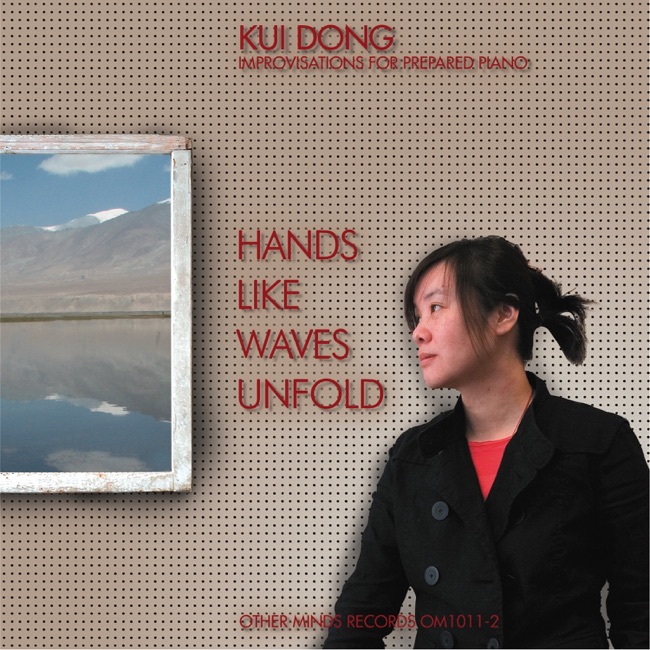
-
 November 30, 2004
Chamber
-
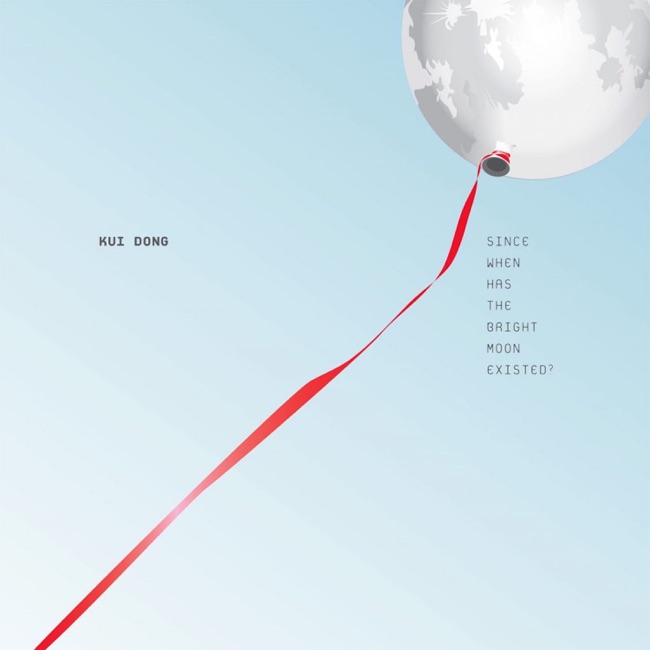 February 8, 2011
Artist Info
Role:Composer PerformerBirth:1967 in Beijing, ChinaKui Dong is a Chinese-born composer who has made a name for herself in the world of classical music. Born in 1978 in the city of Wuhan, Dong showed an early interest in music and began studying the piano at the age of six. Her parents, both of whom were engineers, encouraged her musical pursuits and enrolled her in the Wuhan Conservatory of Music when she was just nine years old. At the conservatory, Dong studied piano and composition, and quickly showed a talent for both. She was particularly drawn to the works of Western classical composers such as Bach, Beethoven, and Mozart, and began to incorporate elements of their styles into her own compositions. Dong's early works were heavily influenced by the Romantic era, with lush harmonies and sweeping melodies. After completing her studies at the Wuhan Conservatory, Dong went on to attend the Central Conservatory of Music in Beijing, where she continued to hone her skills as a composer. It was during this time that she began to experiment with incorporating traditional Chinese music into her compositions, blending the sounds of the erhu (a two-stringed bowed instrument) and the pipa (a plucked string instrument) with Western classical instruments. Dong's breakthrough came in 2002, when she won the prestigious Tanglewood Music Center Composition Fellowship. This allowed her to study with some of the world's leading composers, including John Harbison and Michael Gandolfi. It was during this time that Dong began to develop her own unique style, blending elements of Western classical music with traditional Chinese music and incorporating elements of folk music and jazz. Dong's compositions have been performed by some of the world's leading orchestras, including the Boston Symphony Orchestra, the New York Philharmonic, and the London Symphony Orchestra. Her works have been praised for their innovative use of instrumentation and their ability to blend different musical traditions into a cohesive whole. One of Dong's most well-known works is her Symphony No. 1, "Lantern Festival," which was commissioned by the Boston Symphony Orchestra in 2007. The piece is inspired by the traditional Chinese Lantern Festival, which marks the end of the Chinese New Year celebrations. The symphony is scored for a large orchestra, including traditional Chinese instruments such as the erhu and the pipa, and features a mix of Western classical and Chinese folk melodies. Another notable work by Dong is her "Concerto for Erhu and Orchestra," which was commissioned by the New York Philharmonic in 2010. The piece features the erhu, a traditional Chinese instrument, as the soloist, and blends elements of Western classical music with traditional Chinese melodies. The concerto has been praised for its innovative use of the erhu and its ability to showcase the instrument's unique sound. Dong's music has been performed at some of the world's leading concert halls, including Carnegie Hall, the Kennedy Center, and the Royal Albert Hall. She has received numerous awards and honors for her work, including the ASCAP Morton Gould Young Composer Award and the Charles Ives Scholarship from the American Academy of Arts and Letters. In addition to her work as a composer, Dong is also a professor of music at the University of North Texas. She has taught composition and music theory at several universities, including the University of Missouri-Kansas City and the University of California, Santa Barbara.More....
Recent Artist Music
Copyright Ⓒ 2013 Davinci Finger. All rights reseved
Service Terms & Policy