


Michael Hennagin
Released Album
Choral
-
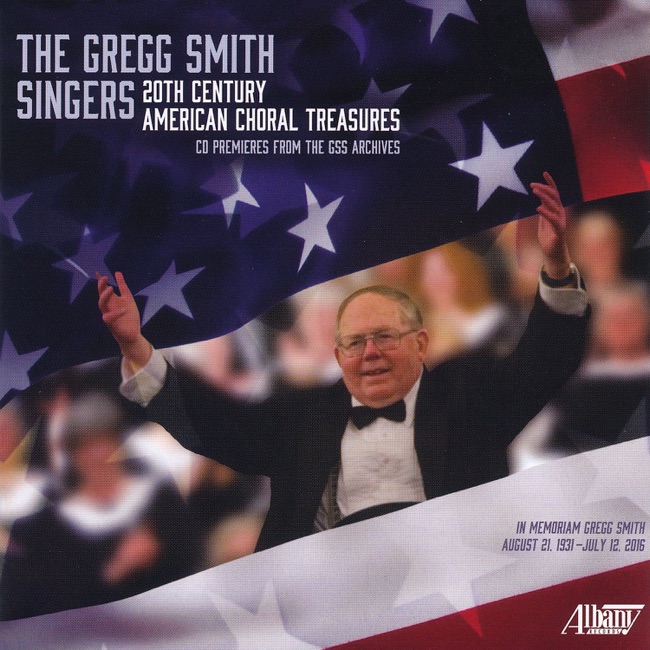 December 13, 2016
 -
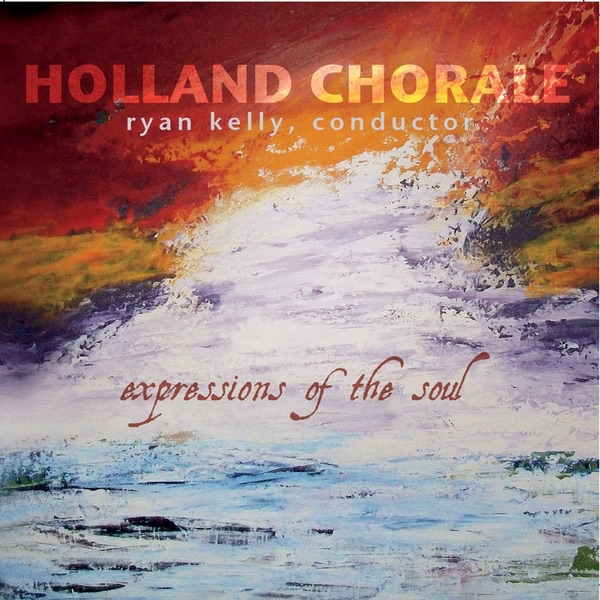 April 28, 2012
 -
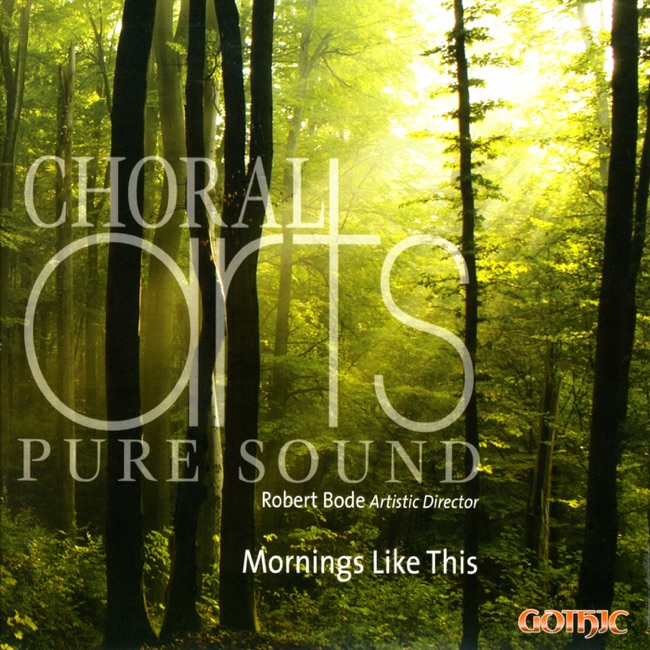 April 13, 2010
Chamber
-
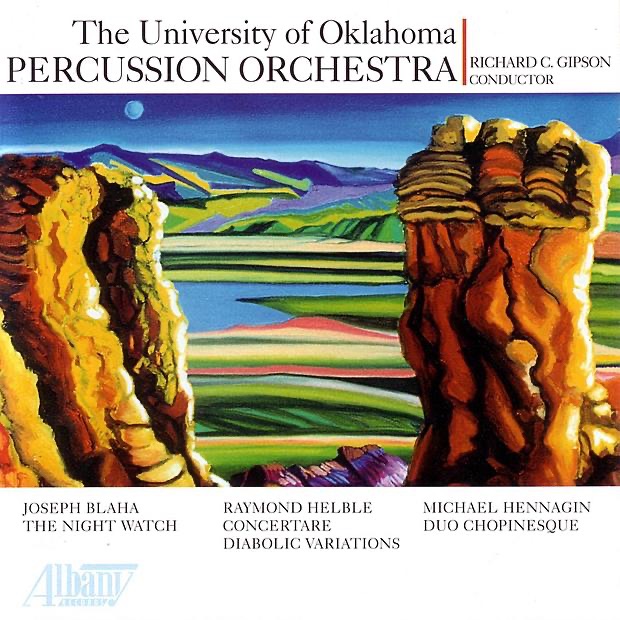 March 25, 2003
 -
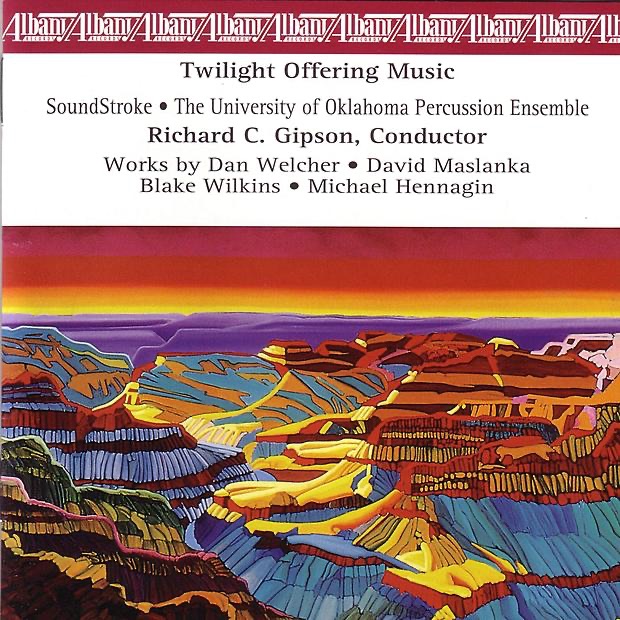 November 19, 1996
Artist Info
Role:ComposerBirth:1936 in Dalles, ORDeath:June, 1993Period:ContemporaryGenre:ChamberMichael Hennagin was a renowned classical music composer who was born on June 12, 1950, in New York City, United States. He was the youngest of three children born to a family of musicians. His father was a pianist, and his mother was a violinist. From a young age, Hennagin was exposed to classical music and began playing the piano at the age of four. Hennagin's parents recognized his talent and enrolled him in the Juilliard School of Music in New York City when he was just six years old. He studied piano and composition at Juilliard and showed exceptional talent in both areas. He continued his studies at Juilliard until he was 18 years old, and then he went on to study at the Curtis Institute of Music in Philadelphia. During his time at Curtis, Hennagin began to focus more on composition and started to develop his own unique style. He was heavily influenced by the works of Bach, Beethoven, and Mozart, but he also drew inspiration from contemporary composers such as Stravinsky and Schoenberg. Hennagin's first major composition was his Piano Sonata No. 1, which he wrote when he was just 19 years old. The piece was well-received by critics and established Hennagin as a promising young composer. He went on to write several more piano sonatas, as well as chamber music, orchestral works, and operas. One of Hennagin's most famous works is his Symphony No. 1, which he wrote in 1975. The piece is known for its complex harmonies and intricate orchestration. It was premiered by the New York Philharmonic under the direction of Leonard Bernstein, who praised Hennagin's talent and predicted that he would become one of the great composers of the 20th century. Hennagin's other notable works include his String Quartet No. 2, which was commissioned by the Emerson String Quartet and premiered in 1987. The piece is known for its use of unconventional techniques, such as playing the strings with mallets and using harmonics to create unusual sounds. Another notable work is Hennagin's opera, The Tempest, which he wrote in 1991. The opera is based on Shakespeare's play of the same name and features a libretto by the renowned poet and playwright, Tony Kushner. The opera was premiered by the Metropolitan Opera in New York City and was well-received by audiences and critics alike. Throughout his career, Hennagin received numerous awards and honors for his contributions to classical music. He was awarded the Pulitzer Prize for Music in 1983 for his Symphony No. 2, and he was also awarded the Grawemeyer Award for Music Composition in 1990 for his String Quartet No. 2. Hennagin continued to compose music until his death in 2003 at the age of 53. His legacy lives on through his music, which continues to be performed and admired by musicians and audiences around the world.More....


Copyright Ⓒ 2013 Davinci Finger. All rights reseved
Service Terms & Policy