


Giuseppe Antonio Paganelli
Released Album
Chamber
-
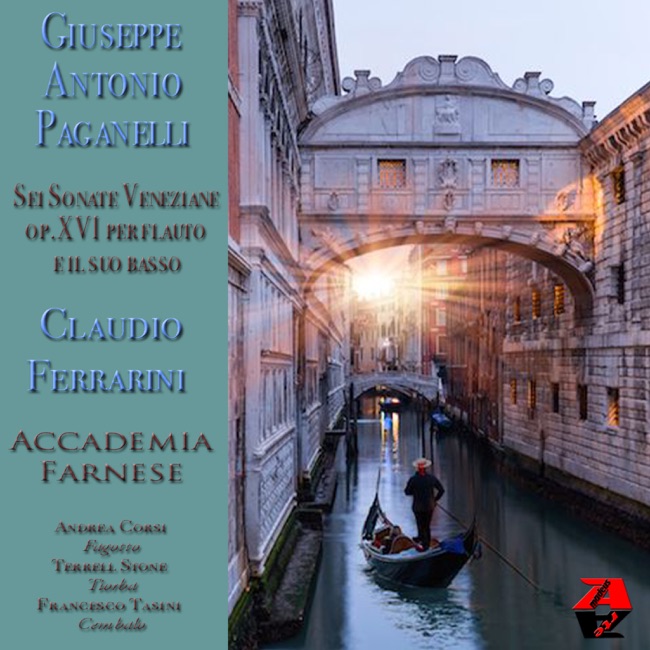
-
-
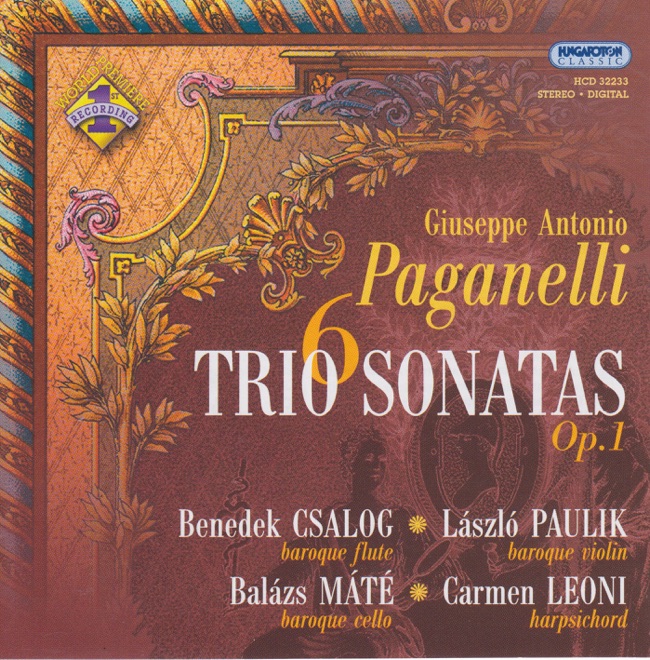 October 5, 2004
Keyboard
-
 January 1, 2003
Concerto
-
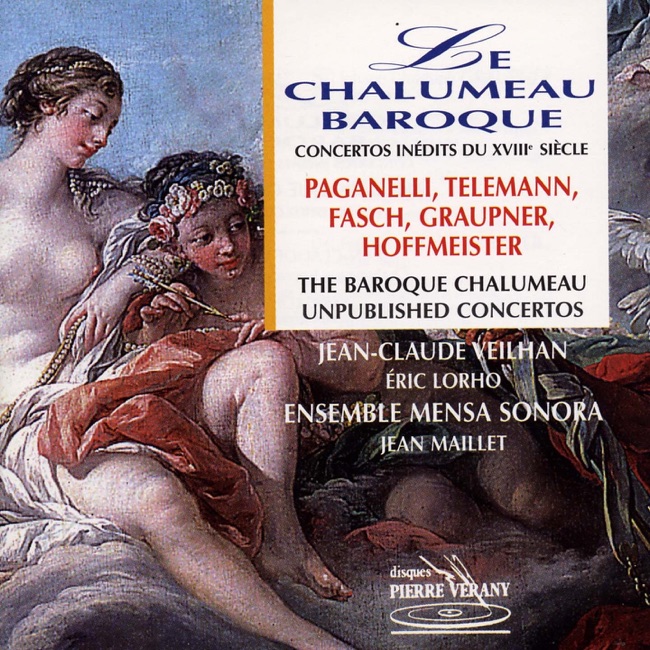 October 27, 2002
Artist Info
Role:Composer PerformerBirth:1710 in ItalyDeath:ca. 1763Genre:ChamberConcertoKeyboardGiuseppe Antonio Paganelli was an Italian composer of the Baroque era, born on January 6, 1710, in Bologna, Italy. He was the son of a musician, Giovanni Battista Paganelli, who was a cellist and a member of the Bologna Philharmonic Academy. Paganelli grew up in a musical family and received his early musical education from his father. Paganelli's talent for music was evident from a young age, and he began composing at the age of 14. He studied music theory and composition with the renowned composer and music theorist, Padre Martini, who was also his godfather. Paganelli's studies with Padre Martini were instrumental in shaping his musical style and technique. In 1730, Paganelli was appointed as the maestro di cappella at the Basilica of San Petronio in Bologna, a position he held for over 30 years. During his tenure at the Basilica, Paganelli composed a large number of sacred works, including masses, motets, and oratorios. His compositions were highly regarded and were performed not only in Bologna but also in other cities in Italy. Paganelli's music was characterized by its melodic richness, harmonic complexity, and contrapuntal skill. He was particularly skilled in writing for the voice, and his vocal works were known for their expressive power and emotional depth. Paganelli's music was also influenced by the music of his contemporaries, including Bach, Handel, and Vivaldi. One of Paganelli's most famous works is his oratorio, "La Passione di Gesù Cristo," which was first performed in Bologna in 1740. The oratorio tells the story of the Passion of Christ and is divided into three parts: the Last Supper, the Crucifixion, and the Resurrection. The work is notable for its dramatic intensity and emotional power, and it remains one of Paganelli's most popular compositions. Another notable work by Paganelli is his "Missa in C," which was composed in 1745. The mass is scored for choir, soloists, and orchestra and is notable for its grandeur and majesty. The work is characterized by its rich harmonies, intricate counterpoint, and expressive melodies. Paganelli's other works include numerous motets, masses, and cantatas, as well as instrumental music, including sonatas and concertos. His instrumental music is notable for its virtuosity and technical skill, and it demonstrates his mastery of the Baroque style. Paganelli's music was highly regarded during his lifetime, and he was recognized as one of the leading composers of his time. His works were performed not only in Italy but also in other countries in Europe, including Germany and Austria. Despite his success, Paganelli remained humble and dedicated to his craft, and he continued to compose until his death in Bologna on August 5, 1763. In conclusion, Giuseppe Antonio Paganelli was a highly talented and influential composer of the Baroque era. His music was characterized by its melodic richness, harmonic complexity, and contrapuntal skill, and it remains highly regarded to this day. Paganelli's works, including his oratorio "La Passione di Gesù Cristo" and his mass "Missa in C," demonstrate his mastery of the Baroque style and his ability to create music of great emotional power and expressive depth. Paganelli's legacy as a composer continues to inspire and influence musicians and music lovers around the world.More....
Recent Artist Music
1
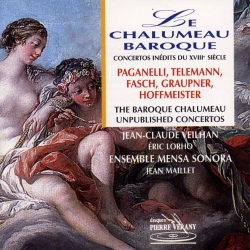
3:25
2
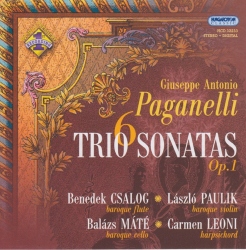
Trio Sonatas (6) for 2 violins or flutes & continuo, Op. 1
No. 3 in G major: 1. Staccato - A Capella
3:50
4
2:50
5
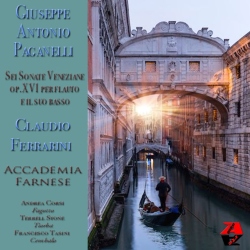
Sonatas (6) for transverse flute & continuo, Op. 16
No. 1 in do maggiore : I. Andante grazioso
3:1
Copyright Ⓒ 2013 Davinci Finger. All rights reseved
Service Terms & Policy