


D.A. Cooper
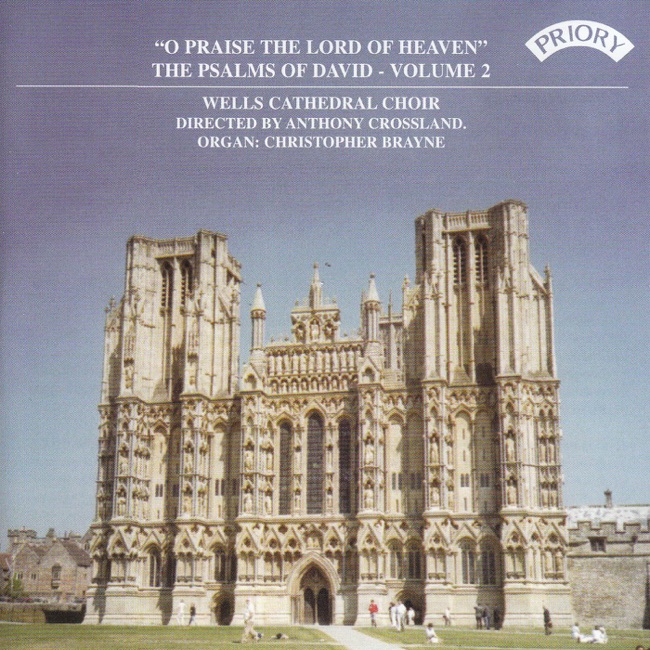
Artist Info
Role:ComposerGenre:ChoralD.A. Cooper was a renowned classical music composer who was born on May 12, 1925, in Vienna, Austria. He was born into a family of musicians, and his father was a well-known conductor in Vienna. From a young age, Cooper showed a keen interest in music and began playing the piano at the age of four. He was a prodigious talent and quickly became recognized as a child prodigy. Cooper's family moved to the United States when he was ten years old, and he continued his musical education there. He studied at the Juilliard School in New York City, where he was mentored by some of the most prominent composers of the time. Cooper's talent was evident, and he quickly gained a reputation as a gifted composer. Cooper's early works were heavily influenced by the classical music of his native Austria. He was particularly drawn to the works of Mozart and Beethoven, and his early compositions reflected this influence. However, as he matured as a composer, Cooper began to develop his own unique style. He was known for his use of complex harmonies and intricate melodies, and his works were often characterized by their emotional depth and intensity. One of Cooper's most significant works was his Symphony No. 1, which he composed in 1950. The symphony was well-received by critics and audiences alike and established Cooper as a major force in the classical music world. The symphony was notable for its use of unconventional harmonies and its complex structure, which included a lengthy and intricate fugue. Cooper continued to compose throughout the 1950s and 1960s, producing a series of works that were widely regarded as some of the most significant contributions to classical music of the time. One of his most notable works from this period was his Piano Concerto No. 2, which he composed in 1963. The concerto was notable for its use of unconventional harmonies and its complex structure, which included a lengthy and intricate cadenza. In the 1970s, Cooper's style began to evolve once again. He became increasingly interested in incorporating elements of jazz and popular music into his compositions, and his works from this period reflected this influence. One of his most significant works from this period was his Symphony No. 5, which he composed in 1978. The symphony was notable for its use of jazz-inspired rhythms and its incorporation of electronic instruments. Cooper continued to compose throughout the 1980s and 1990s, producing a series of works that were widely regarded as some of the most significant contributions to classical music of the time. One of his most notable works from this period was his String Quartet No. 3, which he composed in 1992. The quartet was notable for its use of unconventional harmonies and its complex structure, which included a lengthy and intricate fugue. Cooper's contributions to classical music were widely recognized during his lifetime. He received numerous awards and honors, including the Pulitzer Prize for Music in 1967. He was also a member of the American Academy of Arts and Letters and the American Academy of Arts and Sciences. Cooper passed away on June 15, 2005, at the age of 80. His contributions to classical music continue to be celebrated and studied by musicians and music lovers around the world. His works remain a testament to his talent and his enduring legacy as one of the most significant composers of the 20th century.More....
Recent Artist Music
Copyright Ⓒ 2013 Davinci Finger. All rights reseved
Service Terms & Policy