


Leonid Polovinkin
Released Album
Symphony
-
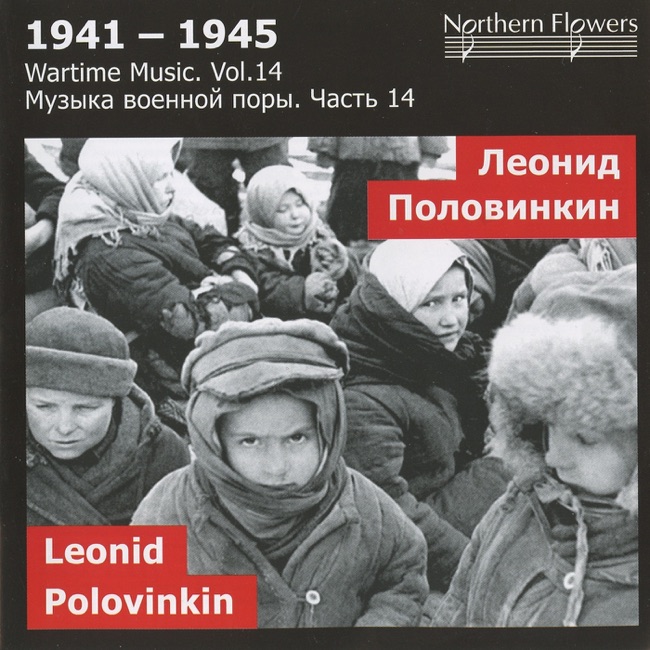 November 8, 2011
Keyboard
-
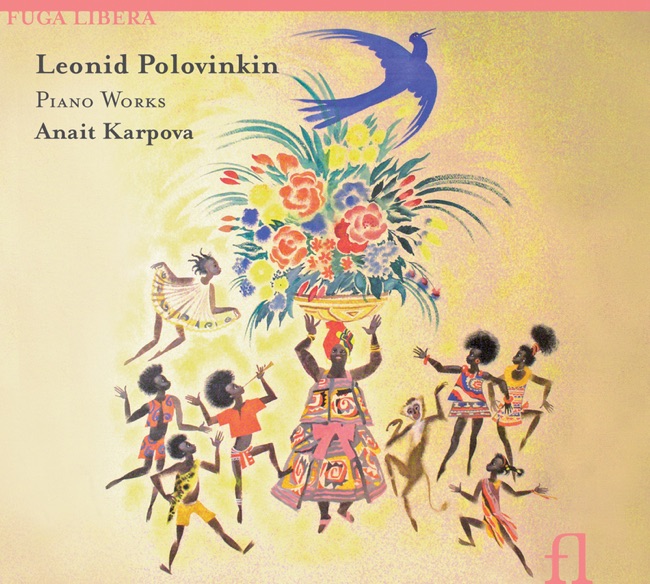 August 11, 2009
 -
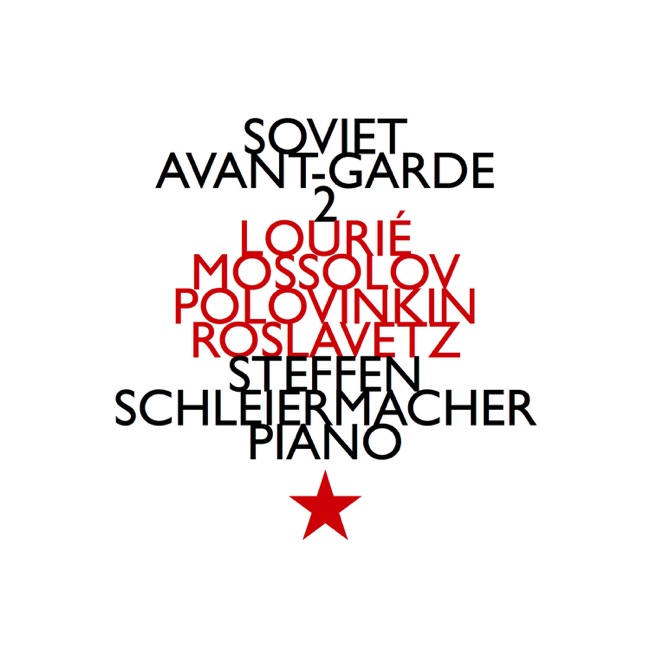
Film
-
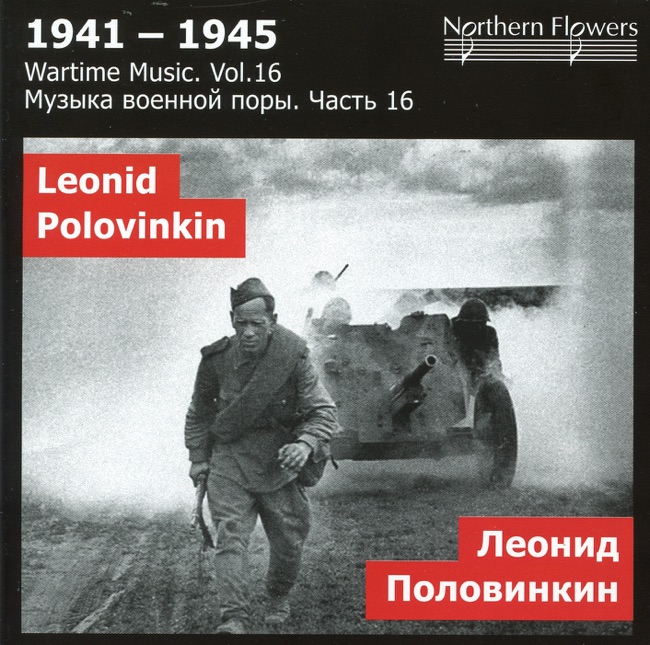 February 14, 2012
Artist Info
Role:ComposerCountry: RussiaBirth:August 13, 1894 in Kurgan, RussiaDeath:February 8, 1949 in Moscow, RussiaPeriod:ModernGenre:KeyboardLeonid Polovinkin was a Russian composer who was born on November 1, 1894, in St. Petersburg, Russia. He was the son of a military officer and grew up in a family that valued music. Polovinkin began his musical education at the age of six, studying piano with his mother. He later studied at the St. Petersburg Conservatory, where he was a student of Nikolai Rimsky-Korsakov and Anatoly Lyadov. Polovinkin's early works were influenced by the Russian nationalist movement, which sought to create a distinct national style of music. His first major work, the Symphony No. 1, was composed in 1922 and was well-received by critics. The symphony was notable for its use of folk melodies and rhythms, which were combined with modernist harmonies and textures. In the 1920s and 1930s, Polovinkin became increasingly interested in the avant-garde movements that were emerging in Europe. He was particularly drawn to the music of Arnold Schoenberg and his followers, who were experimenting with atonal and serial techniques. Polovinkin began to incorporate these techniques into his own music, creating a unique style that blended traditional Russian elements with modernist innovations. One of Polovinkin's most famous works is the ballet "The Legend of Love," which was composed in 1934. The ballet tells the story of a princess who falls in love with a poor young man, but is forced to marry a wealthy prince. The music is characterized by its lush orchestration and exotic harmonies, which evoke the atmosphere of the Middle East. During the 1930s, Polovinkin became increasingly involved in the Soviet cultural establishment. He was appointed to a number of prestigious positions, including the directorship of the Moscow Conservatory and the chairmanship of the Union of Soviet Composers. However, his association with the Soviet regime also brought him into conflict with other composers who were critical of the government's policies. In the 1940s, Polovinkin's music became more introspective and personal. He began to explore themes of spirituality and mysticism, which were reflected in works such as the Symphony No. 4 and the oratorio "The Song of the Soul." These works were characterized by their use of modal harmonies and chant-like melodies, which gave them a timeless quality. Polovinkin continued to compose throughout the 1950s and 1960s, but his music fell out of favor with the Soviet authorities. He was accused of formalism and was subjected to censorship and harassment. Despite these difficulties, he continued to write music that was deeply personal and expressive. Leonid Polovinkin died on December 8, 1949, in Moscow, Russia. He left behind a legacy of music that combined the traditions of Russian classical music with the innovations of the modernist movement. His works continue to be performed and recorded today, and he is remembered as one of the most important composers of the 20th century.More....
Recent Artist Music
Copyright Ⓒ 2013 Davinci Finger. All rights reseved
Service Terms & Policy